Description
Stainless Steel Sprockets
SUS25B
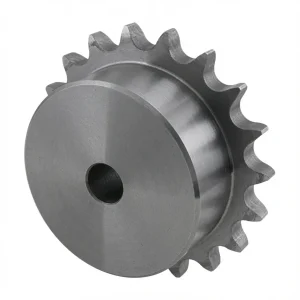
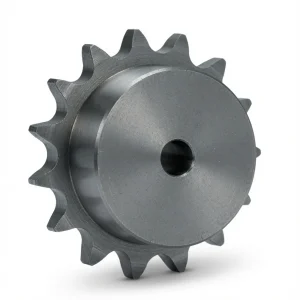
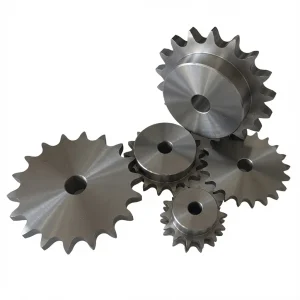
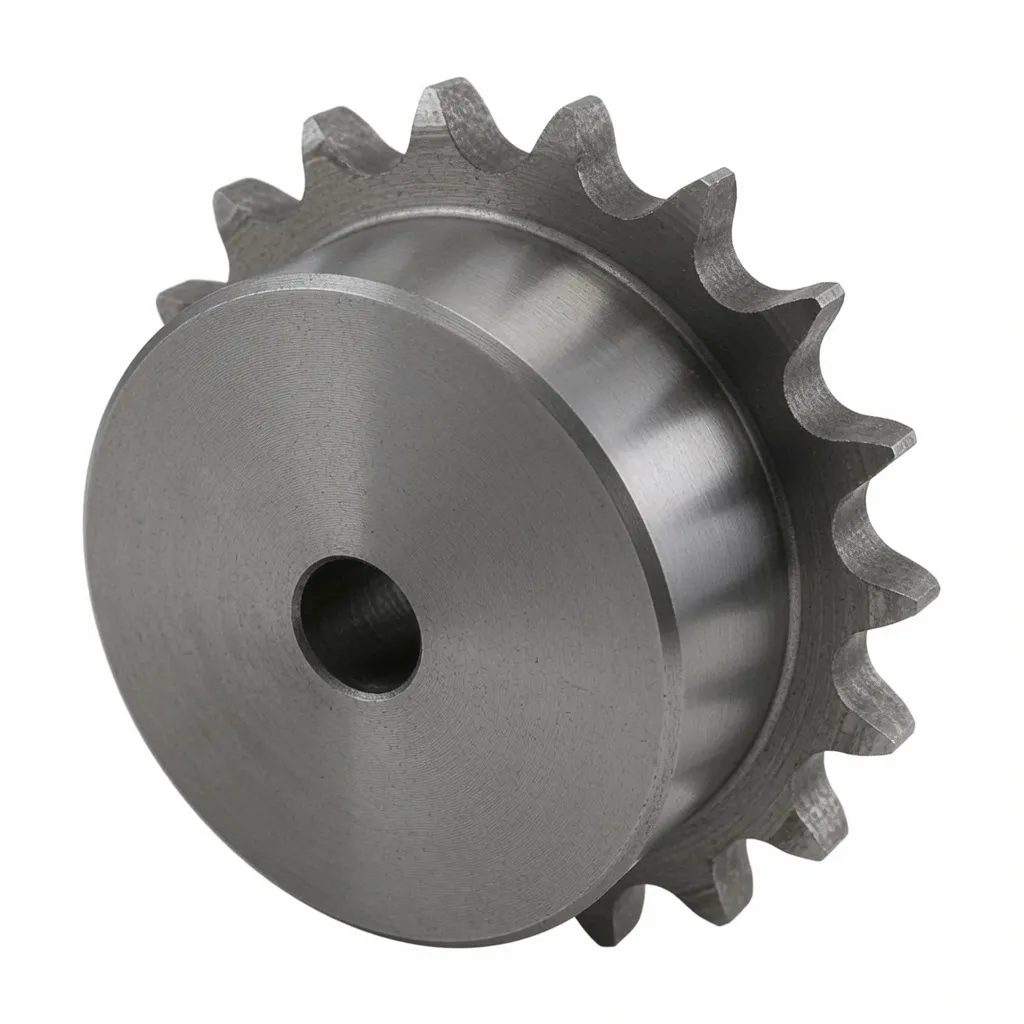
Precision-machined 304 stainless steel sprockets for No.25SS roller chain — covering 10T through 32T with exact dimensional compliance for corrosion-sensitive light-duty drive systems.
What Is the SUS25B Stainless Steel Sprocket?
The SUS25B designation refers to a stainless steel sprocket designed to engage No.25SS roller chain — a light-series chain with a pitch of 6.35 mm (1/4 inch) that sits at the compact end of the standard roller chain family. In the JIS and metric nomenclature, “SUS” indicates the stainless steel grade (304 austenitic stainless, equivalent to SUS304 in Japanese industrial standards), while “25B” identifies the chain pitch class. This sprocket is the go-to choice for machinery designers who need a small-pitch, corrosion-resistant drive solution where physical space is limited but service reliability cannot be compromised. Typical installation environments include food-grade conveying systems, analytical instrument drives, pharmaceutical packaging machinery, and small-scale industrial automation equipment.
Compared to the carbon steel version of the 25B sprocket, the stainless steel variant trades a small amount of absolute strength for a substantial gain in corrosion resistance and hygienic suitability. At the 6.35 mm pitch scale, the transmitted forces are typically modest, so the mechanical properties of 304 stainless are more than adequate for the duty. What matters most in the environments where this stainless steel sprocket is specified is the ability to withstand repeated washdown cycles, resist pitting from chloride-bearing cleaning agents, and maintain a clean surface without rust staining that could contaminate products or trigger hygiene audit failures.
Hangzhou Ever-Power manufactures SUS25B sprockets across the full 10T–32T range from solid 304 stainless bar stock, with bore dimensions finished to H7 tolerance and optional keyways or set-screw holes machined to order. The tooth profile is CNC-hobbed to the correct geometry for No.25SS chain roller engagement, ensuring consistent chain seating and even load distribution across all teeth in service.
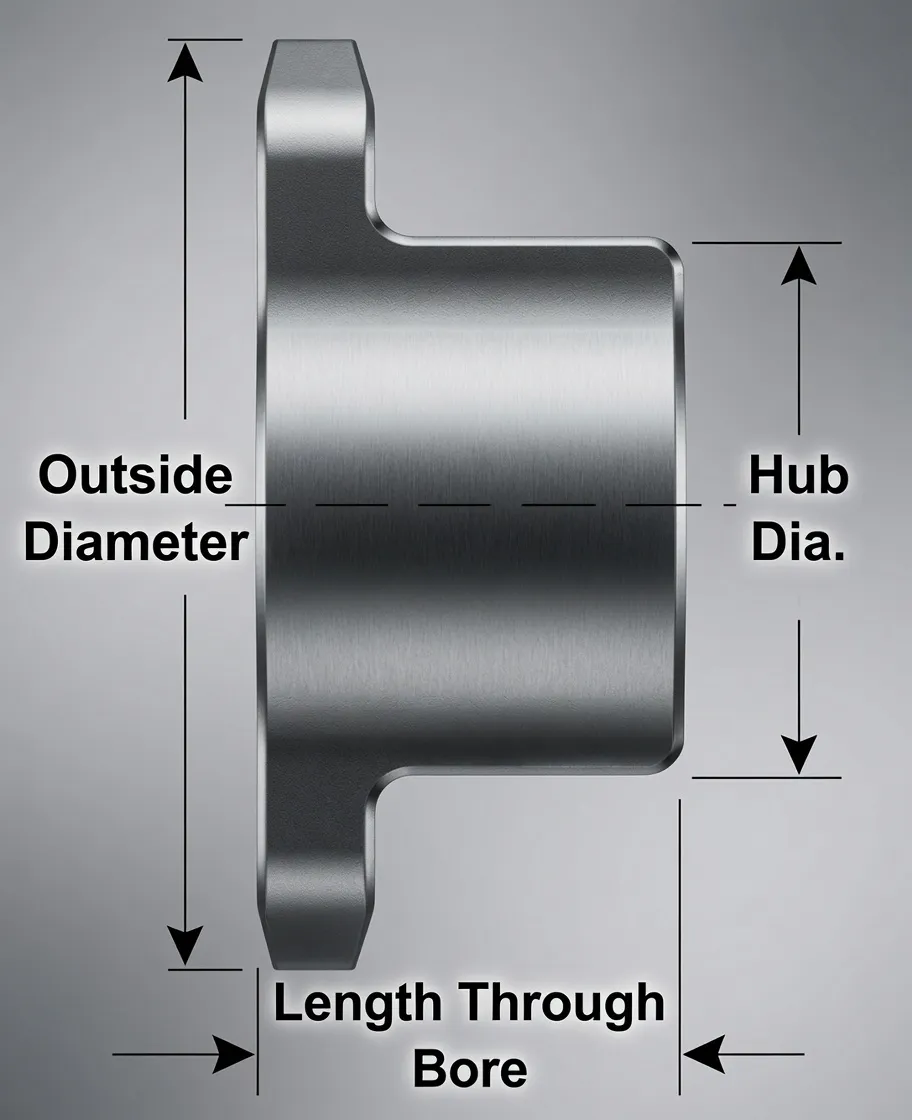
Chain Parameters & Key Dimensions
Before reviewing the full tooth count table, it helps to understand the chain parameters that govern SUS25B sprocket geometry. The four core dimensions — pitch, internal chain width, roller diameter, and tooth width — together define the tooth form, the pitch circle diameter for any given tooth count, and the clearance geometry between adjacent teeth. Any deviation from these parameters in the mating chain will cause uneven engagement, accelerated wear, and elevated noise. Our manufacturing process is calibrated specifically to these values, so each sprocket produced is dimensionally matched to the No.25SS chain family with no adjustment required at installation.
Complete SUS25B Dimensional Table
The table below lists all 21 standard tooth counts in the SUS25B range. Outside diameter (Do), pitch circle diameter (Dp), stock bore, minimum bore, maximum bore, hub diameter (BD), hub length (BL), and approximate part weight are tabulated for each size. All bore dimensions in millimeters; weight in kilograms.
| Type | Teeth | OD Do (mm) | PCD Dp (mm) | Stock Bore | Min. Bore | Max. Bore | Hub BD | Hub BL | Wt. (kg) |
|---|---|---|---|---|---|---|---|---|---|
| SUS25B | 10 | 23 | 20.55 | 6 | 8 | 8 | 13 | 14 | 0.01 |
| SUS25B | 11 | 25 | 22.54 | 6 | 8 | 8 | 15 | 14 | 0.02 |
| SUS25B | 12 | 28 | 24.53 | 8 | 10 | 10 | 17 | 14 | 0.02 |
| SUS25B | 13 | 30 | 26.53 | 8 | 10 | 10 | 18 | 14 | 0.03 |
| SUS25B | 14 | 32 | 28.54 | 8 | 10 | 10 | 19 | 14 | 0.03 |
| SUS25B | 15 | 34 | 30.54 | 8 | 10 | 10 | 20 | 14 | 0.04 |
| SUS25B | 16 | 36 | 32.55 | 8 | 10 | 11 | 21 | 16 | 0.06 |
| SUS25B | 17 | 38 | 34.56 | 8 | 10 | 11 | 23 | 16 | 0.06 |
| SUS25B | 18 | 40 | 36.57 | 8 | 10 | 12 | 25 | 16 | 0.07 |
| SUS25B | 19 | 42 | 38.58 | 8 | 10 | 14 | 26 | 16 | 0.08 |
| SUS25B | 20 | 44 | 40.59 | 8 | 10 | 16 | 28 | 16 | 0.09 |
| SUS25B | 21 | 46 | 42.61 | 8 | 10 | 16 | 30 | 18 | 0.11 |
| SUS25B | 22 | 48 | 44.62 | 8 | 10 | 16 | 30 | 18 | 0.11 |
| SUS25B | 23 | 50 | 46.63 | 8 | 10 | 16 | 30 | 18 | 0.11 |
| SUS25B | 24 | 52 | 48.65 | 8 | 10 | 16 | 30 | 18 | 0.12 |
| SUS25B | 25 | 54 | 50.66 | 8 | 10 | 16 | 30 | 18 | 0.12 |
| SUS25B | 26 | 56 | 52.68 | 10 | 12 | 16 | 30 | 18 | 0.12 |
| SUS25B | 27 | 58 | 54.70 | 10 | 12 | 16 | 30 | 18 | 0.13 |
| SUS25B | 28 | 60 | 56.71 | 10 | 12 | 16 | 30 | 18 | 0.13 |
| SUS25B | 30 | 64 | 60.75 | 10 | 12 | 16 | 30 | 18 | 0.14 |
| SUS25B | 32 | 68 | 64.78 | 10 | 12 | 16 | 30 | 18 | 0.15 |
304 Stainless Steel — Material Properties & Corrosion Resistance
AISI 304 stainless steel — the material used throughout the SUS25B range — is an austenitic chromium-nickel alloy containing approximately 18% chromium and 8% nickel. The chromium forms a passive oxide layer on the surface that self-repairs when scratched, making the material inherently corrosion-resistant without requiring any additional protective coating. This self-passivating behavior is what makes 304 stainless the dominant material for stainless steel roller chain components used in the food industry, pharmaceutical sector, and other hygiene-critical environments where bare carbon steel would rust and contaminate the process.
In practical terms, SUS25B sprockets manufactured from 304 stainless resist oxidation in humid air, dilute acids, alkalis, and most organic compounds encountered in food and light chemical processing. They tolerate repeated exposure to the caustic soda and phosphoric acid solutions used in CIP cleaning without surface etching or dimensional change. One important caveat: in environments with high chloride concentrations — seawater, concentrated bleach, or chlorinated hot water above 60°C — 304 stainless may develop pitting corrosion over extended periods. For such conditions, upgrading to 316-grade stainless (available on special order) provides the additional molybdenum needed for chloride resistance.
⚗️ Chemical Composition (AISI 304)
🔬 Mechanical Properties
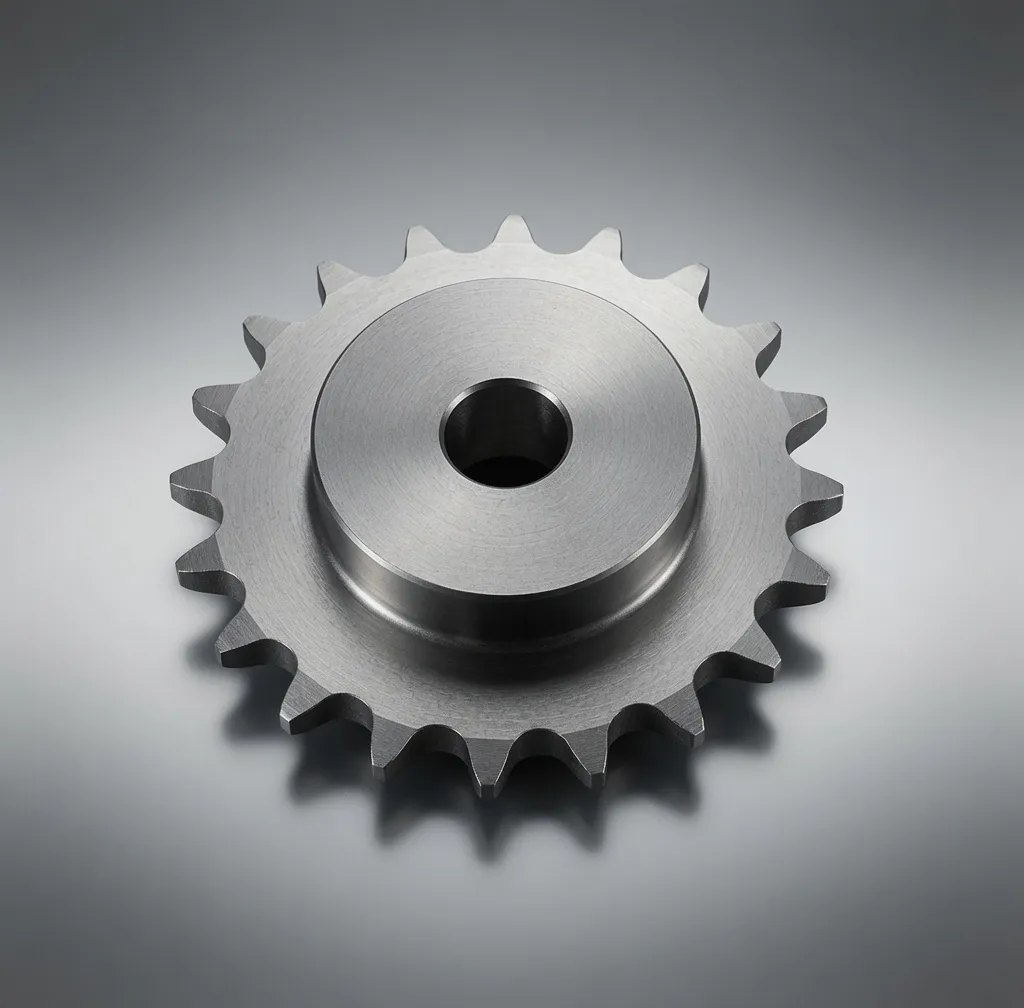
Surface Finishing & Tooth Hardness Options
Stainless steel in its as-machined condition already offers substantial surface quality — the tight grain structure and the passive oxide film together produce a smooth, non-porous surface that resists bacterial adhesion and chemical attack. For most SUS25B applications, no additional surface treatment is required beyond the standard machining finish. However, specific operating requirements occasionally call for enhanced surface conditions, and we offer the following finishing options to match particular application needs.
An electrochemical process that removes the outermost layer of metal, leaving a microscopically smooth surface with Ra values below 0.4 μm. Electropolished sprockets are specified in pharmaceutical and semiconductor environments where particle shedding and bacterial biofilm formation must be minimized. The process also slightly enhances corrosion resistance by removing surface contaminants and micro-crevices.
Chemical passivation in nitric acid or citric acid solution removes free iron and other surface contaminants left over from the machining process, restoring and enhancing the passive chromium oxide film. This is particularly valuable for sprockets that will be installed in food or pharmaceutical environments where the integrity of the stainless surface from day one is a regulatory requirement rather than a preference.
For applications where the SUS25B pitch is needed but carbon steel’s wear resistance is preferred over stainless — for example, in dry, high-cycle precision drives — C45 steel sprockets with the same dimensional specification can be supplied with induction-hardened tooth flanks reaching 40–50 HRC. These are not stainless and will require a dry or oil-lubricated environment, but they offer extended tooth life under abrasive conditions.
The default delivery condition — turned and hobbed surfaces finished to Ra ≤ 1.6 μm, bores reamed to H7 tolerance. This finish is suitable for the vast majority of SUS25B applications. The natural passive film on 304 stainless provides adequate corrosion protection without further treatment in most industrial and food-grade environments.
Precision Manufacturing for Small-Pitch Sprockets
Small-pitch sprockets like the SUS25B present a specific manufacturing challenge: the absolute dimensional tolerances remain tight, but the actual feature sizes — tooth width 2.8 mm, roller diameter 3.30 mm, pitch 6.35 mm — are physically small, leaving very little room for error in the cutting and inspection processes. A tooth-to-tooth pitch error that would be negligible on a large industrial sprocket becomes proportionally significant on a 6.35 mm pitch part, directly affecting chain engagement quality and drive noise. Our production approach for this size class reflects that reality.
Industry Applications of the SUS25B Sprocket
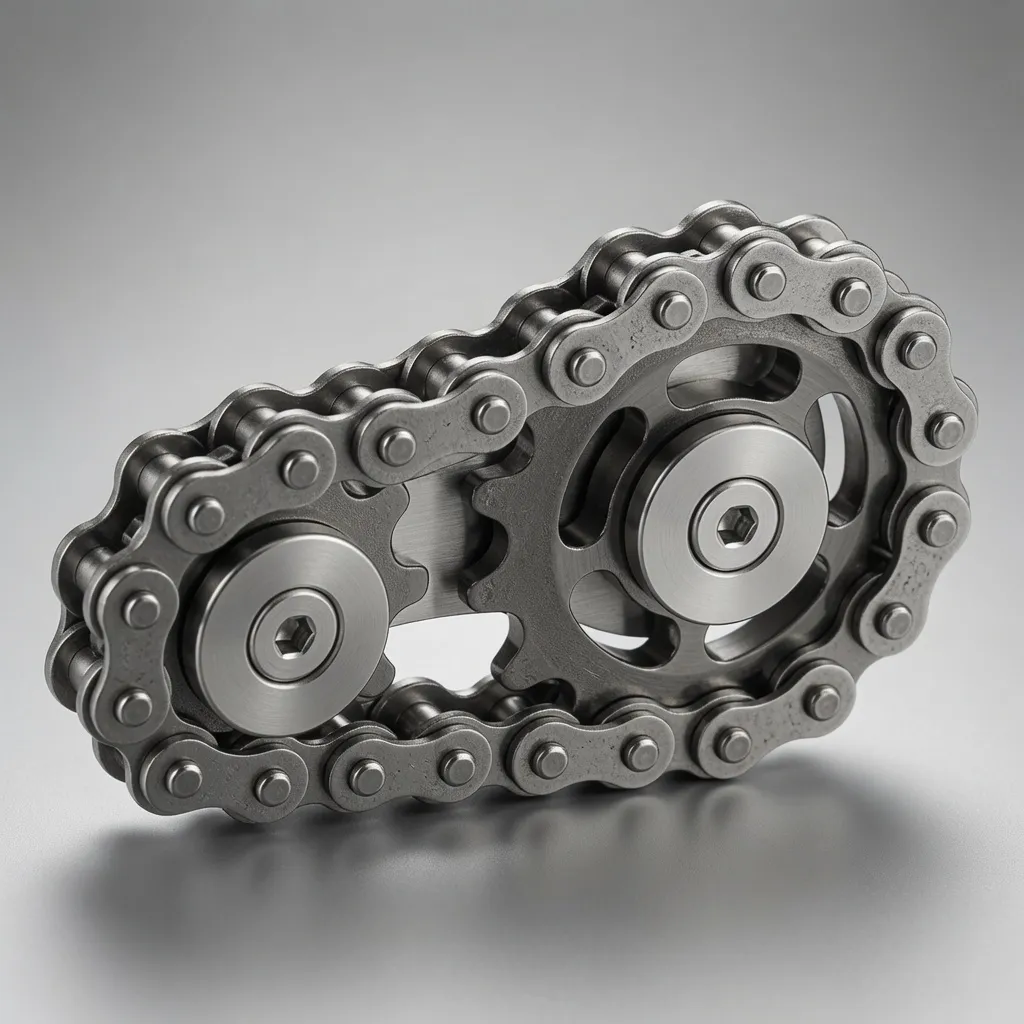
The 6.35 mm pitch puts the No.25SS chain in the light-duty category by load rating, but that description understates the importance of the machines that rely on it. Precision instruments, automated production cells, and hygiene-regulated equipment routinely depend on small-pitch chain drives for their timing, indexing, and transport functions — where dimensional accuracy and material cleanliness are more important than raw tensile load capacity. The following sectors represent the core markets for SUS25B industrial sprockets.
Food & Beverage Filling Lines
Cup-filling machines, capping conveyors, and portioning systems in dairy, juice, and sauce production use compact chain drives that must withstand daily washdown with hot caustic solutions. SUS25B sprockets run in these environments without corrosion concerns or product contamination risk, making them the standard choice for hygiene-zone machinery in food plants certified to FSSC 22000 or BRC standards.
Pharmaceutical Blister & Strip Packaging
Tablet blister machines and strip-pack equipment use precisely indexed No.25SS chain drives to advance foil at controlled steps through forming, filling, and sealing stations. Any variation in sprocket pitch error directly translates to blister cavity misalignment. The combination of dimensional accuracy and stainless material compliance with GMP guidelines makes SUS25B the default specification for these applications.
Laboratory & Analytical Instruments
Automated sample handlers, fraction collectors, and diagnostic analyzer platforms use miniature chain drives for precise positioning. The low mass of SUS25B sprockets reduces inertia in quick-start, quick-stop motion profiles, and the non-magnetic property of austenitic stainless is essential in instruments where magnetic fields would interfere with measurement or operation.
Light Industrial Automation
Compact pick-and-place machines, indexing tables, and label applicators in electronics assembly and consumer goods manufacturing use small-pitch chain drives where a carbon steel sprocket would require regular maintenance inspection or coating renewal in climate-controlled but still moisture-present factory environments. Stainless reduces the maintenance frequency and extends the service interval.
Personal Care & Cosmetics Production
Lotion filling, tube sealing, and powder dosing equipment operates in environments that share many of the cleanliness requirements of food production, often with regular alcohol and peroxide-based sanitization cycles. SUS25B sprockets tolerate these cleaning agents without surface damage, keeping maintenance costs predictable and machine uptime high across multi-shift production schedules.
Aquaculture & Wet Processing
Fish sorting conveyors, seafood processing lines, and aquaculture feeding systems operate in permanently wet, salt-spray, or brackish-water environments. The corrosion protection offered by stainless chain drives in these applications translates directly to reduced sprocket replacement frequency and lower total lifecycle cost compared to even galvanized carbon steel alternatives.
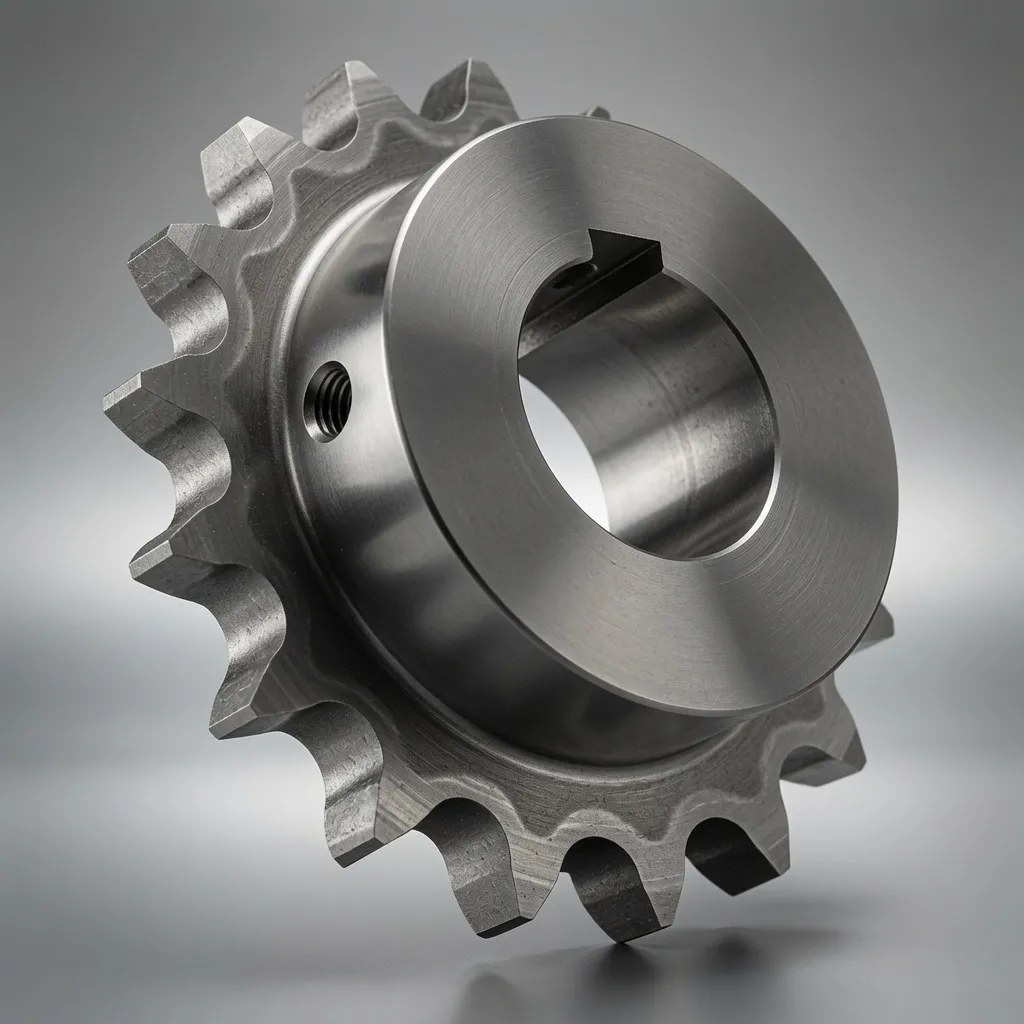
Custom Bore, Keyway & Hub Configurations
Catalogue stock bore sizes cover the most common shaft diameters used with No.25SS chain drives, but production machinery frequently uses shaft sizes that fall between catalogue increments, or requires hub geometry — length, outer diameter, face features — tailored to a specific machine layout. As a direct-factory chain sprocket wholesale manufacturer, Hangzhou Ever-Power processes custom bore and hub orders without tooling surcharges for most standard bore modifications, and custom keyway profiles are produced within the standard lead time for small quantities.
📏 Finished Bore with Keyway
Bore machined to specified diameter (H7 tolerance) with a DIN 6885 parallel keyway. Stock keyway sizes match standard motor and gearbox shaft key dimensions. Non-standard keyway widths and depths are produced on request. Keyway-to-bore center distance accuracy is held to within ±0.02 mm.
🔧 Set-Screw Mount
One or two M-series tapped holes drilled and tapped through the hub for grub screw shaft locking. Set-screw mounts are suitable for low-torque positioning applications where the sprocket must be repositioned along the shaft during setup. The screw is positioned 90° from the keyway where both features are used together.
🔩 Extended Hub Length
The standard hub length for each tooth count is listed in the BL column of the specification table. Extended hubs — up to approximately twice the standard length — are machined to order and are used when additional bearing surface between the sprocket and shaft is needed to reduce hub-to-shaft bending stress, or when the machine layout requires a specific axial sprocket position.
For custom orders, please specify: teeth count, required bore diameter, keyway dimensions (width × depth), set-screw requirement (yes/no, size), hub outer diameter if non-standard, hub length if non-standard, and quantity. Drawings are supplied for customer approval before production on orders involving non-catalogue dimensions. Typical sample lead time for custom SUS25B configurations is 5–10 business days.
Why Specify Hangzhou Ever-Power SUS25B Sprockets
Purchasing stainless sprockets for precision or hygiene-critical machinery is a decision where dimensional consistency matters as much as material grade. A sprocket that passes a visual inspection but carries an accumulated pitch error will degrade chain life in service, often before the first scheduled maintenance window. Our manufacturing quality system is built around preventing that outcome.
How to Order SUS25B Stainless Steel Sprockets
Ordering is straightforward whether you need a single prototype or a batch of hundreds. For standard sizes from the table above, we only need your teeth count, bore diameter, and quantity. For custom configurations, a brief spec sheet or dimensioned sketch is sufficient to generate a quotation. Responses to technical inquiries are sent within one business day. Our sales team at [email protected] handles English-language inquiries directly, with no intermediary delays. You can also call +86-571-88220653 during Hangzhou business hours or use the contact form on our contact page.
Frequently Asked Questions
Common questions about SUS25B stainless steel sprockets.