
Product Description
Product Description
Specification
|
Product Name |
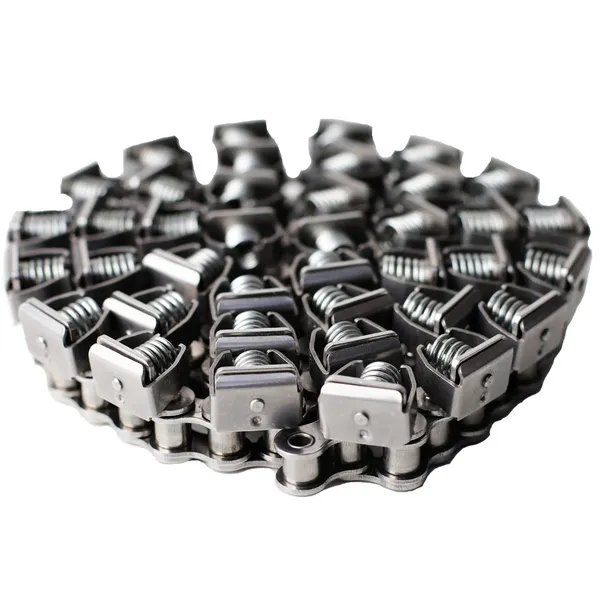
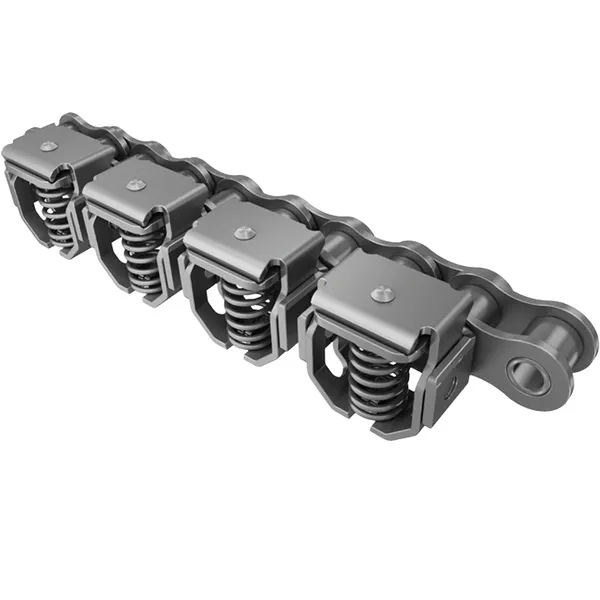
Wholesale Price Conveyor Chain 12b-2 Roller Chains with Sprocket For Machinery |
|
Type |
Roller Chain |
|
MOQ |
1meter |
|
Brand |
CSZBTR |
|
OEM |
YES,We also can produce special chain according to your requirements,also produce matched sprocket/wheel. |
|
Package |
According to customer’s requirements |
|
Weight |
0.56kg/Meter |
|
Delivery time |
7 days |
other models
| Chain No. | P | h2 | H | $ | T |
| 08AF29 | 12.700 | 10^)0 | 15.6 | – | 1.50 |
| O8BF9O | 12.700 | 10^0 | 17.0 | 0.3 | 1.60 |
| 0M-1STCF15 | 12.700 | 1571 | 17.0 | 1.60 | |
| 10AF2 | 15.875 | 13.00 | 17.0 | 0.3 | 2.(0 |
| 10AF15 | 15.875 | 15.09 | 17.0 | – | 2.03 |
| 10AF23 | 15.875 | 13.00 | 2(18 | 0.3 | 2.03 |
| 10AF48 | 15«5 | 1100 | 16.9 | « | 2.03 |
| 10BF50 | 15B75 | 13.70 | 17.0 | 0.3 | 1.70 |
| 10AF5« | 15^75 | 1SX)9 | 17.0 | . | 2.03 |
| P | h2 | h | 1 | S | a | |
| Chain No. | ||||||
| 08BF25 | 12.7XJ | 10.6 | 15.6 | 1.60 | 30, | |
| 08BF29 | 12. TO | 1&6 | 14.5 | 1.60 | as | 30* |
| 08BF30 | 12 | 1G6 | 14.5 | l.g | Q3 | 30* |
| 08BF35 | 12. W | ia6 | 21.5 | 1.60 | 0.6 | 30* |
| 08BF67 | 12.TO | ia6 | 16.1 | 1.60 | as | 30* |
| 0fflF195 | 12.70 | 10.6 | 45 | 1.60 | 0.4 | 30, |
| 08AF10 | 12.70 | 10.6 | L50 | – | 30* | |
| 12B-1STCF1 | 19.05 | 15.0 | 19.0 | 1.85 | – | 30, |
| 12AF33 | 19.05 | 15.6 | 19.7 | 2.42 | 0£ | 18* |
| P | hl | h2 | h | A | Q | |
| Chain No. | ||||||
| 08BF21 | 12.7 | 10 | 1Q6 | 15.0 | 10 | 0 |
Company Profile
HangZhou Terry Machinery Co.Ltd is a leading supplier of bearings, Linear motion system for CNC , Ball transfer
Unit and transmission component .the growing industrial and Favorable policy of HangZhou benefit the developm
ent of Terry Machinery .Our products are utilized in industrial, motorcycle, vehicle and Automation applications.
Now we are exporting to 46 countries. including USA, GBR , Germany , Spain, Poland ,Turkey ect .The Goal o
f Terry Machinery to provide out customers with widest range of products at competitive prices, backed with the
best Service.OUR ADVANTAGE Products Our major products & Supplied:Meet all the international standards
and ISO9001 -TS1694 Certificate Big volume in Stock, No MOQ required Personnel Our salespersons are well
trained to accommodate your requests and speak English for your conveniences.Our technicians and engineers
Experience in the Industry area exceeds 23 years Service &Quality control ,We supply detailed drawings and
offer when ever necessary,We help all customers promote and improve their sales.We inspect every piece of
products by ourselves before delivery.
Application
related product
product-list-1.html
Packing &Delivery
Customer Praise
FAQ
| Standard Or Nonstandard: | Standard |
|---|---|
| Application: | Motor, Electric Cars, Motorcycle, Machinery, Marine, Toy, Agricultural Machinery, Car |
| Hardness: | Hardened Tooth Surface |
| Manufacturing Method: | Rolling Gear |
| Toothed Portion Shape: | Spur Gear |
| Material: | 45mn |
| Samples: |
US$ 5.84/Piece
1 Piece(Min.Order) | |
|---|

What are the considerations for selecting a corrosion-resistant conveyor chain?
When selecting a corrosion-resistant conveyor chain, several considerations should be taken into account to ensure optimal performance and longevity in corrosive environments. Here are the key factors to consider:
– Material Selection:
Choose a conveyor chain material that is resistant to the specific corrosive agents present in the environment. Stainless steel, plastic, and special coatings such as zinc or nickel plating are commonly used for their corrosion resistance properties.
– Corrosion Resistance Ratings:
Review the corrosion resistance ratings of different chain materials and coatings. Look for industry standards such as ASTM or ISO ratings that indicate the material’s resistance to specific corrosive substances or environmental conditions.
– Environmental Factors:
Consider the specific environmental factors that contribute to corrosion, such as humidity, temperature, presence of chemicals or solvents, and exposure to saltwater or acids. Evaluate how these factors may impact the chain’s corrosion resistance requirements.
– Coating or Surface Treatment:
If using a metal chain, consider applying additional coatings or surface treatments to enhance its corrosion resistance. Options may include electroplating, powder coating, or using specialized anti-corrosion coatings.
– Compatibility with Cleaning Methods:
Ensure that the selected chain material is compatible with the cleaning methods and chemicals used in the application. Some corrosive-resistant materials may require specific cleaning procedures to maintain their performance and longevity.
– Operational Considerations:
Take into account the load capacity, speed, and operational requirements of the conveyor system. Ensure that the corrosion-resistant chain can withstand the mechanical stresses and operational demands without compromising its corrosion resistance properties.
– Cost-Effectiveness:
Weigh the initial cost and long-term benefits of using a corrosion-resistant conveyor chain. While corrosion-resistant materials may have a higher upfront cost, they can significantly reduce maintenance, replacement, and downtime costs associated with corrosion-related failures.
By considering these factors, you can select a corrosion-resistant conveyor chain that is well-suited for the specific corrosive environment, ensuring reliable and durable performance in applications such as chemical processing, food production, wastewater treatment, or outdoor environments.
How do you calculate the power requirements for a conveyor chain?
Calculating the power requirements for a conveyor chain involves considering various factors. Here’s a step-by-step process:
1. Determine the total weight to be transported: Measure or estimate the total weight of the material or product that will be carried by the conveyor chain. This includes the weight of the product itself, any packaging, and additional loads.
2. Determine the speed of the conveyor: Determine the desired speed at which the conveyor chain will operate. This is typically measured in feet per minute (FPM) or meters per second (m/s).
3. Calculate the required capacity: Multiply the total weight by the desired speed to determine the required capacity of the conveyor system. This will give you the weight per unit of time (e.g., pounds per minute or kilograms per hour).
4. Consider the conveyor’s design factors: Take into account various design factors such as the type and pitch of the conveyor chain, the coefficient of friction between the chain and the conveyor components, and any incline or decline angles of the conveyor system. These factors affect the power requirements.
5. Determine the required power: Use the following formula to calculate the power requirements:
Power (in horsepower) = (Capacity × Friction Factor) ÷ (33,000 × Efficiency)
Where:
– Capacity is the weight per unit of time (from step 3)
– Friction Factor is the ratio of chain tension to chain weight, taking into account the design factors
– 33,000 is a conversion factor to convert the units to horsepower
– Efficiency is the overall efficiency of the conveyor system, typically expressed as a decimal value (e.g., 0.95 for 95% efficiency)
6. Select a suitable motor: Based on the calculated power requirements, select a motor that can provide the necessary power to drive the conveyor chain. Consider factors such as motor type, motor efficiency, and overload capacity.
It’s important to note that the power requirements may vary depending on specific conveyor system designs and operating conditions. Consulting with a qualified engineer or conveyor manufacturer is recommended to ensure accurate calculations and proper motor selection.
How to select the right conveyor chain for your conveyor system?
Selecting the right conveyor chain for your conveyor system is crucial to ensure optimal performance and longevity. Here are the steps to follow when choosing a conveyor chain:
- Identify your application requirements: Determine the specific requirements of your conveyor system, including the type of material being conveyed, the speed of operation, the load capacity, the environmental conditions, and any special considerations.
- Consider the chain type: Based on your application requirements, consider the different types of conveyor chains available, such as roller chains, double pitch chains, hollow pin chains, apron chains, or plastic chains. Evaluate their features and benefits to determine which type is most suitable for your needs.
- Assess the chain material: Conveyor chains are typically made from various materials such as steel, stainless steel, or plastic. Consider factors such as corrosion resistance, temperature resistance, wear resistance, and food-grade requirements when selecting the chain material.
- Determine the chain pitch: The chain pitch refers to the distance between the centers of adjacent pins. Choose the appropriate pitch size based on your conveyor system’s design, load requirements, and speed. Smaller pitch sizes provide smoother operation at higher speeds, while larger pitch sizes offer better resistance against wear and fatigue.
- Evaluate the chain strength: Consider the required tensile strength and fatigue resistance of the chain to ensure it can withstand the anticipated load and operating conditions. Factors such as chain construction, material quality, and heat treatment play a role in determining the chain’s strength.
- Consider additional features: Depending on your application, you may need additional features such as attachments, guides, or specialized coatings on the chain. Assess if any of these features are necessary to meet your specific requirements.
- Consult with experts: If you’re uncertain about the selection process or have unique application needs, it’s advisable to consult with conveyor chain manufacturers or industry experts who can provide guidance and recommendations based on their expertise.
By following these steps and carefully considering your application requirements, you can select the right conveyor chain that ensures efficient and reliable operation of your conveyor system.


editor by CX 2023-10-31