Product Description
|
Product |
Standard Double Pitch Roller chain |
||
|
Material |
40Mn steel,304 stainless steel, 316 stainless steel and 201 stainless steel. |
||
|
Types |
Standard chains and special chains, such as A or B series chains, roller chains, driving chains, conveyor chains, hoisting chains, agricultural chains, sprockets, gears, wheels and so on. |
||
|
Series |
A series(12.7-50.8mm pitches),B series (9.525-50.8mm pitches)and the heavy series. |
||
|
Short pitch precision roller chain |
Simplex Roller Chains&Bushing Chains: 04C-1,06C-1,085-1,08A-1,10A-1,12A-1,16A-1,20A-1,24A-1,28A-1,32A-1,36A-1,40A-1,48A-1 04C-2,06C-2,085-2,08A-2,10A-2,12A-2,16A-2,20A-2,24A-2,28A-2,32A-2,36A-2,40A-2,48A-2 04C-3,06C-2,085-3,08A-3,10A-3,12A-3,16A-3,20A-3,24A-3,28A-3,32A-3,36A-3,40A-3,48A-3 |
||
|
Chain link type |
Standard links (without attachment) and non-standard links (with attachment).
A1: One-side,one hole cranked attachments. |
||
|
Our Products Advantage |
1. Every step from production order to the packing process has a strict quality inspection. |
||
1.Fast delivery: Standard products can be delivered in as fast as 20 days
2.Good service: timely reply, prompt quotation, responsible for the product
3.High cost performance: can maintain price stability for a certain period of time, bringing greater profits to customers
4.Good quality: production and testing have corresponding supervision to ensure product quality and get high praise from customers
5.OEM service: products can be customized according to drawings and requirements
We are responsible for the ordered products. We are very confident in the products we produce. Of course, if you have any problems after receiving the goods, you can contact us directly. We will confirm and negotiate in time to solve your difficulties.
/* January 22, 2571 19:08:37 */!function(){function s(e,r){var a,o={};try{e&&e.split(“,”).forEach(function(e,t){e&&(a=e.match(/(.*?):(.*)$/))&&1
| Standard or Nonstandard: | Standard |
|---|---|
| Application: | Textile Machinery, Garment Machinery, Conveyer Equipment, Packaging Machinery, Food Machinery, Mining Equipment, Agricultural Machinery |
| Surface Treatment: | Oil Blooming |
| Structure: | Roller Chain |
| Material: | Alloy |
| Type: | Double Pitch Chain |
| Samples: |
US$ 35/kg
1 kg(Min.Order) | |
|---|
| Customization: |
Available
| Customized Request |
|---|
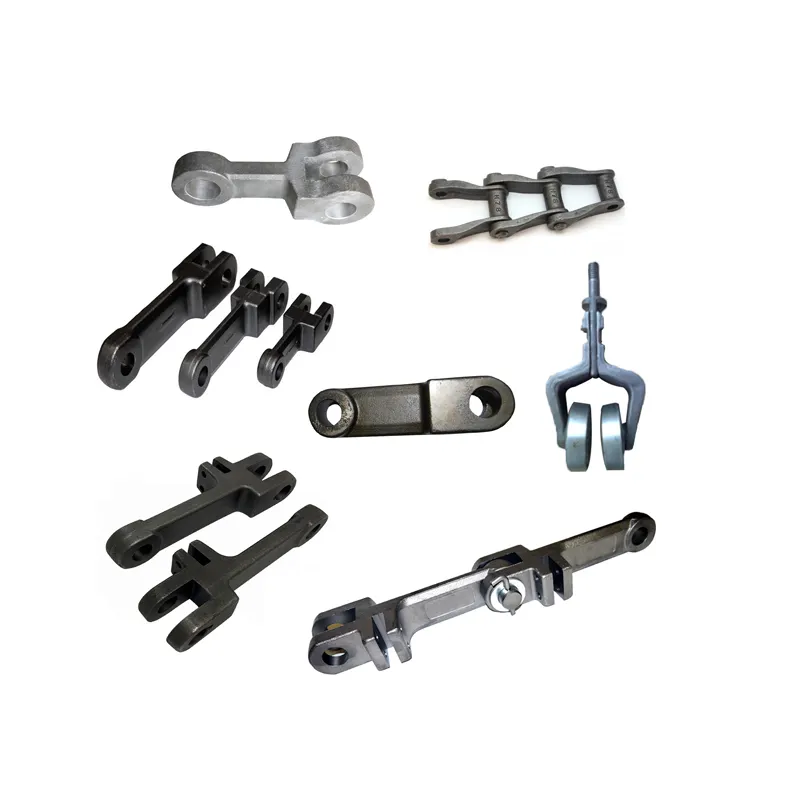
Can transmission chains be used in printing or packaging machinery?
Yes, transmission chains can be used in printing and packaging machinery. Here’s a detailed answer to the question:
Printing and packaging machinery often require precise and reliable power transmission to drive various components such as conveyors, rollers, and printing plates. Transmission chains are well-suited for these applications due to their robustness, durability, and ability to handle high loads.
Benefits of using transmission chains in printing and packaging machinery include:
1. High Load Capacity: Transmission chains are capable of handling heavy loads, making them suitable for driving equipment such as printing cylinders, conveyor belts, and packaging rollers.
2. Precise Motion Control: Printing and packaging machinery often require precise motion control to achieve accurate printing, cutting, and folding processes. Transmission chains offer excellent positional accuracy, ensuring reliable and repeatable movement of components.
3. Reliability: Transmission chains are designed to withstand the demanding operating conditions typically encountered in printing and packaging machinery. They offer high resistance to wear, fatigue, and shock loads, providing reliable performance even in high-speed applications.
4. Versatility: Transmission chains are available in various sizes, pitches, and configurations, allowing for flexibility in adapting to different printing and packaging machine designs and requirements.
5. Easy Maintenance: Transmission chains are relatively easy to maintain. Regular lubrication and periodic inspections can help ensure optimal performance and prolong chain life.
When using transmission chains in printing and packaging machinery, it’s important to select the appropriate chain type, pitch, and material based on the specific application requirements. Regular maintenance, including lubrication and tension adjustment, should be performed to optimize chain performance and prevent premature wear or failure.
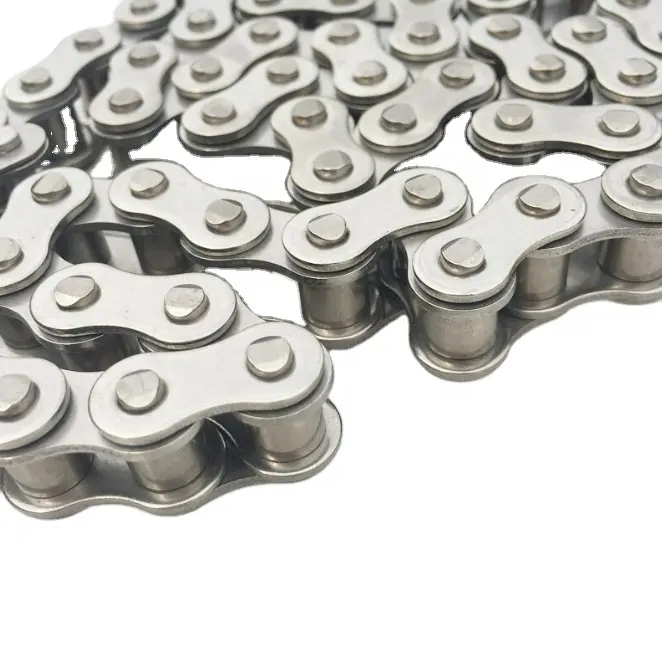
Can transmission chains be used in power transmission systems?
Yes, transmission chains can be used in power transmission systems. Here’s a detailed answer to the question:
Transmission chains are commonly employed in various power transmission applications where the transfer of mechanical power is required. These chains are designed to transmit rotational motion and power from one shaft to another.
Transmission chains are used in a wide range of power transmission systems, including:
- Industrial Machinery: Transmission chains are used in machinery such as conveyor systems, packaging equipment, printing presses, and machine tools to transfer power and motion between different components.
- Agricultural Equipment: Transmission chains are utilized in farm machinery like tractors, combines, and harvesters to transmit power from the engine to various mechanical components for tasks like cutting, threshing, and planting.
- Automotive: Transmission chains can be found in certain automotive applications, such as motorcycle drive chains or timing chains that synchronize the rotation of the crankshaft and camshaft in internal combustion engines.
- Power Generation: Transmission chains are employed in power generation systems, including wind turbines, hydroelectric turbines, and steam turbines, to transmit rotational motion from the turbine to the generator.
- Construction Equipment: Transmission chains are used in construction equipment like excavators, loaders, and bulldozers to transfer power and motion from the engine to the drivetrain and various hydraulic components.
Transmission chains offer several advantages in power transmission systems:
- High Efficiency: Transmission chains have minimal power losses, allowing for efficient power transfer.
- High Load Capacity: Transmission chains are capable of handling high loads and transmitting substantial amounts of power.
- Flexibility: Transmission chains can be easily customized to fit different applications, with various sizes, lengths, and configurations available.
- Durability: Transmission chains are designed to withstand heavy-duty applications and offer long service life when properly maintained.
- Cost-Effective: Transmission chains are often a cost-effective solution compared to other power transmission options.
It’s important to select the appropriate type and size of transmission chain based on the specific requirements of the power transmission system. Regular maintenance and lubrication are also essential to ensure optimal performance and longevity of the transmission chain.
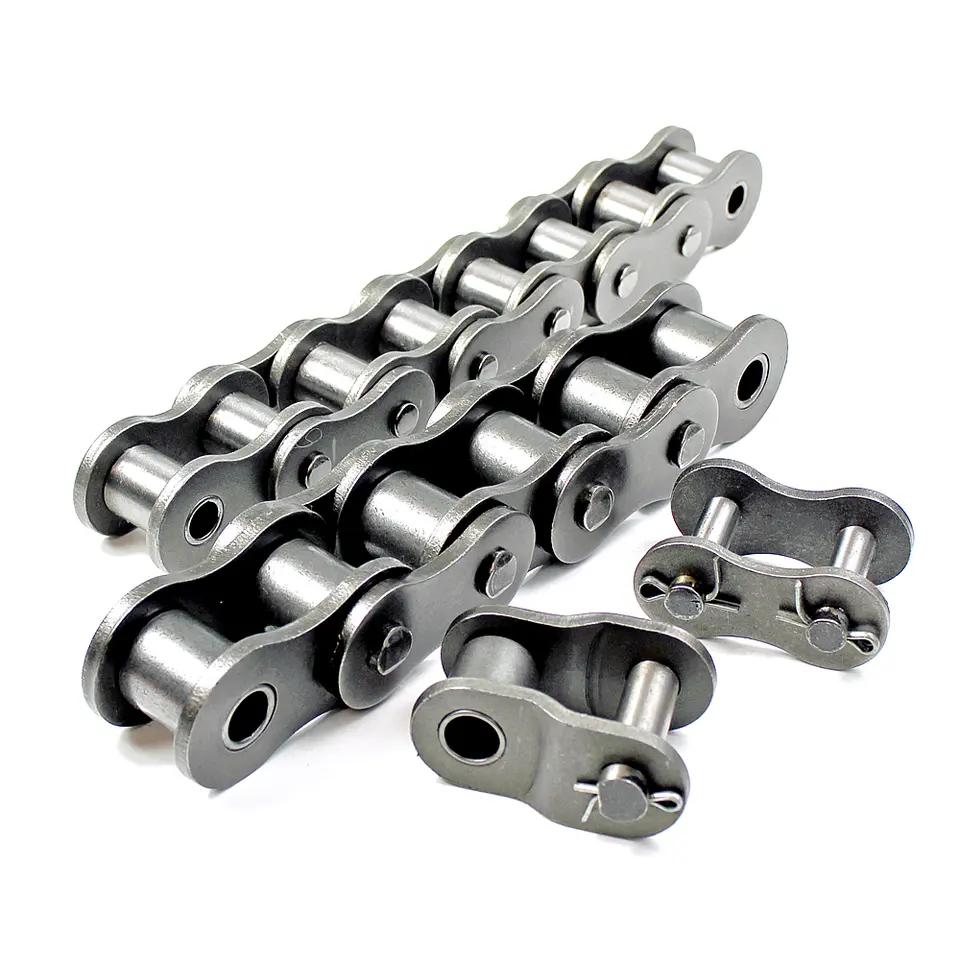
How does the load capacity of a transmission chain affect its performance?
The load capacity of a transmission chain plays a crucial role in determining its performance and reliability in various applications. Here’s a detailed explanation:
The load capacity refers to the maximum amount of force or weight that a transmission chain can withstand without experiencing premature wear, deformation, or failure. It is typically specified by the manufacturer and depends on several factors, including the chain’s design, material, construction, and operating conditions.
When the load on a transmission chain exceeds its capacity, several performance issues may arise:
- Increased Wear: Excessive loads can cause accelerated wear on the chain’s components, such as the pins, bushings, and rollers. This can lead to elongation, increased friction, and potential chain failure.
- Reduced Efficiency: Overloading the chain can result in higher frictional losses, reducing the efficiency of power transmission. This can lead to energy wastage and decreased overall system performance.
- Potential Chain Breakage: If the load exceeds the chain’s capacity by a significant margin, it can cause the chain to break, resulting in machine downtime and potential safety hazards.
- Increased Stress on Other Components: An overloaded transmission chain puts additional stress on other connected components, such as sprockets, bearings, and shafts. This can lead to premature wear and failure of these components as well.
Choosing a transmission chain with an appropriate load capacity is crucial for ensuring optimal performance and longevity. It is important to consider factors such as the expected load magnitude, variations in load during operation, and safety factors to select a chain that can safely and reliably handle the intended application.
Manufacturers provide load capacity charts and guidelines based on extensive testing and engineering analysis. It is advisable to consult these resources and work closely with the manufacturer or a qualified engineer to determine the most suitable transmission chain for your specific load requirements.


editor by CX 2024-04-09