Product Description
Chain board conveyor line has been widely used in automatic production of a variety of products transportation, such as salad oil, canned goods, food, medicine, beverage, cosmetics, washing products, paper products, condiments and so on, is an indispensable transportation equipment in modern industrial products transportation.
Chain plate conveyor line can meet the requirements of single delivery, also can make a single column and more walking slowly, resulting in storage capacity, satisfy the bottle sterilization machine, machine, cold bottle machine feeding requirements of 2 the head of the scraper chain conveyor can be made superimposed mixed chains, tail makes bottles in excessive dynamic state, the transmission line is not stranded in the bottle, It can meet the pressure and no pressure conveying of empty and CHINAMFG bottles.
Chain plate conveyor line application is quite extensive, diversity is also relatively wide, so the transmission chain plate application in all walks of life plays a very important role, transmission chain plate can also be called the transmission chain plate, according to the pitch can be divided into 31.75, 38.1, 50.8, 63.5, 101.6, the production material can be carbon steel plate and stainless steel plate, Chain plate width and length is according to the customer request to make, chain plate of anticorrosive processing can be divided into 2 kinds of conveyor chain of boiled black and galvanized material: carbon steel, stainless steel, thermoplastic chain, according to the needs of your product can select different width, different shapes of chain plate to complete the plane conveyor, plane, lifting, lowering, etc.
Company Introduction:
HangZhou CHINAMFG automation industry co., LTD. Relying on ZheJiang CHINAMFG new material science and technology co., LTD., as its HangZhou branch, specializes in the production and sales of ultra high molecular polyethylene board, bar, extruded wear-resistant bar, guardrail, chain guide rail, screw, magnetic bending rail straight rail, bottle capper, bottle hanging bar and other products.
We mainly USES the German imports of raw materials production sheet, rod, tube, film and other basic materials and production chain guide rail, screw, rail bending, mat, guardrail, wear resistance and other special-shaped products, our company has domestic leading level of the plank production line, the 3 working 6 production lines for the 4 layers, Germany imported production lines, 2 40 production lines for the progressive die, There are 60 patent extrusion production lines, 6 special extrusion production lines, 6 special-shaped molding machines, more than 20 CNC machining centers and all kinds of processing equipment.
Our product quality is excellent, the product has high wear-resisting, self-lubricating high impact resistance, corrosion resistance and other properties, we are committed to make excellent and durable products, and many of the world’s top 500 enterprises in-depth cooperation, cooperation with enterprises to develop excellent products and parts, welcome new and old customers to inquire, develop contracts together. /* January 22, 2571 19:08:37 */!function(){function s(e,r){var a,o={};try{e&&e.split(“,”).forEach(function(e,t){e&&(a=e.match(/(.*?):(.*)$/))&&1
| Material: | Plastic |
|---|---|
| Structure: | Combined Chain |
| Surface Treatment: | Injection Molding |
| Customization: |
Available
| Customized Request |
|---|
.shipping-cost-tm .tm-status-off{background: none;padding:0;color: #1470cc}
|
Shipping Cost:
Estimated freight per unit. |
about shipping cost and estimated delivery time. |
|---|
| Payment Method: |
|
|---|---|
|
Initial Payment Full Payment |
| Currency: | US$ |
|---|
| Return&refunds: | You can apply for a refund up to 30 days after receipt of the products. |
|---|
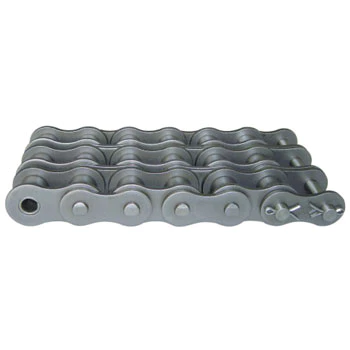
Can a drive chain be used in a chemical or petrochemical processing application?
Yes, a drive chain can be used in chemical or petrochemical processing applications where reliable power transmission is required. Here is a detailed explanation:
Chemical and petrochemical processing industries involve the handling, mixing, and processing of various substances, including corrosive chemicals, solvents, and hydrocarbons. Drive chains offer several advantages in these applications:
- Corrosion Resistance: Drive chains can be selected or specially designed with materials that offer corrosion resistance. Stainless steel, high-performance alloys, or coatings can be applied to the chain components to withstand the corrosive effects of chemicals and maintain chain integrity and performance.
- High Load Capacity: Chemical and petrochemical processing often involves heavy-duty operations and the movement of large loads. Drive chains are designed to handle high load capacities, providing reliable power transmission and withstanding the demanding conditions of these applications.
- Precise Control: Drive chains provide precise control over the movement of equipment and processes in chemical and petrochemical plants. The interlocking design of the chain and sprockets allows for accurate positioning, speed control, and synchronization of various components and machinery.
- Wide Operating Temperature Range: Drive chains can be engineered to operate in a wide temperature range, accommodating the temperature variations encountered in chemical and petrochemical processing. High-temperature materials or lubricants can be used to ensure optimal performance under extreme conditions.
- Resistance to Harsh Environments: Chemical and petrochemical processing environments may involve exposure to extreme temperatures, humidity, dust, and other harsh conditions. Drive chains are designed to withstand these environments, with features such as seals, specialized coatings, or materials that offer protection against contaminants and maintain reliable operation.
- Long Service Life: Drive chains, when properly selected, installed, and maintained, can provide long service life in chemical and petrochemical processing applications. Regular inspection, lubrication, and tension adjustment help optimize chain performance and minimize downtime due to chain failure.
When selecting a drive chain for chemical or petrochemical processing applications, factors such as corrosion resistance, load capacity, temperature range, speed requirements, and compatibility with industry regulations should be considered.
It is important to implement proper maintenance practices, including regular inspection, lubrication, and tension adjustment, to ensure the optimal performance and longevity of the drive chain in chemical and petrochemical processing applications.
By utilizing drive chains in chemical and petrochemical processing, operators can benefit from corrosion resistance, high load capacity, precise control, wide temperature range, resistance to harsh environments, long service life, and reliable power transmission, contributing to efficient and safe processing operations.
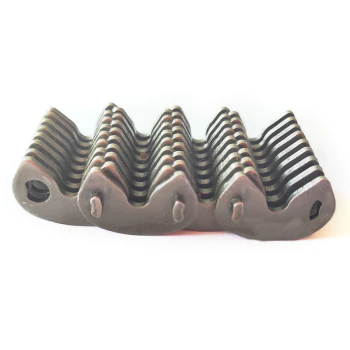
How does the elongation of a drive chain affect its performance?
The elongation of a drive chain can have a significant impact on its performance and overall operation. Here is a detailed explanation:
Drive chains are subject to wear and elongation over time due to factors such as load, speed, tension, lubrication, and maintenance. Elongation refers to the increase in the chain’s pitch length, which can lead to several performance-related issues:
- Loss of Tension: As a chain elongates, it loses tension and becomes slack. This results in a loss of power transmission efficiency and can lead to skipping or jumping of the chain on the sprockets. A slack chain may also cause a loss of accuracy and synchronization in driven systems.
- Poor Performance: Elongation can affect the overall performance of the drive system. It can lead to increased backlash, reduced precision, and the potential for chain derailment or disengagement from the sprockets. These issues can result in decreased efficiency, unreliable operation, and increased risk of damage to the chain or other components.
- Increased Wear: Elongation causes increased wear between the chain links, pins, and bushings. This wear can accelerate the elongation process and further decrease the chain’s performance and service life. It can also lead to increased friction, heat generation, and the potential for chain failure if not addressed promptly.
- Reduced Load-Carrying Capacity: Elongation reduces the effective pitch length of the chain, resulting in a decreased load-carrying capacity. This can limit the chain’s ability to handle heavy loads, potentially leading to premature failure or inadequate performance in applications where high loads are involved.
- Increased Noise and Vibration: Elongation can cause increased noise and vibration during chain operation. The slack chain may produce rattling or banging sounds, and the vibration can negatively affect the overall system performance and operator comfort.
Regular inspection and maintenance are essential to monitor chain elongation and address it promptly. Measuring elongation using specialized tools and following the manufacturer’s recommended elongation limits can help determine when a chain requires replacement or adjustment.
Proper chain tension, lubrication, and regular maintenance practices, including periodic tension adjustment and lubrication replenishment, can help minimize elongation and ensure optimal chain performance. It is important to follow the manufacturer’s guidelines and consult with experts or technicians to establish appropriate maintenance schedules and procedures for the specific drive chain and application.
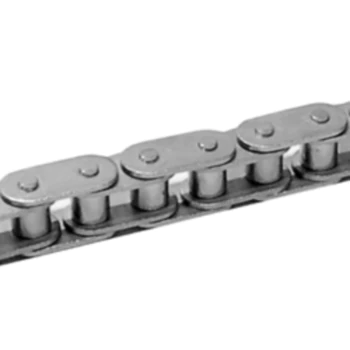
What are the common materials used in drive chains?
Drive chains are manufactured using different materials, chosen based on their specific properties and suitability for the intended application. Here are some common materials used in the production of drive chains:
- Steel: Steel is the most widely used material for drive chains. It offers high strength, durability, and wear resistance. Different grades of steel, such as carbon steel, alloy steel, and stainless steel, are utilized based on the specific requirements of the application.
- Plastic: In certain applications where corrosion resistance, low noise, or weight reduction are priorities, plastic chains are used. Plastic chains are lightweight, resistant to chemicals, and provide smooth operation.
- Nickel-Plated: Nickel-plated chains offer enhanced corrosion resistance compared to standard steel chains. They are commonly used in applications exposed to moisture, humidity, or corrosive environments.
- Coated: Coated chains are regular steel chains with an additional coating applied to the surface for improved protection against corrosion and wear. Common coatings include zinc plating, black oxide coating, or specialized coatings like Teflon®.
- Heat-Treated: Heat-treated chains undergo a specialized heat treatment process to enhance their hardness, strength, and durability. Heat-treated chains are commonly used in heavy-duty applications that require high tensile strength and resistance to wear and fatigue.
- Alloy: Alloy chains are made from steel that is alloyed with other elements like chromium, molybdenum, or nickel. These alloying elements enhance the chain’s strength, toughness, and resistance to corrosion and wear.
The choice of material depends on factors such as the application requirements, operating conditions, load capacity, environmental factors, and budget constraints. It is essential to select a drive chain material that can withstand the specific demands of the application to ensure optimal performance and longevity.


editor by CX 2024-04-15