
Product Description
Product Description
Link Chain
DIN763, DIN766, Norwegian standard link chain,Korean standard link chain, us type standard double loop chain,
DIN5686 knotted chain,Japanese standard, Korean standard link chain, ASTM80 standard link chain, and so on.
We have in this line for many years. We sincerely hope to establish long and stable business cooperations
with your company.We confirm you good quality, best price, best service and punctual delivery time.
If you have any inquirys in our line, please feel free to contact us.We will try all our best to support you.
Product Parameters
LONG LINK CHAIN
| LINK SPECIFICATION | TEST LOAD | BREAKING LOAD | NET WT PER 200F(KG) | ||||
| D | L | W | |||||
| IN | MM | MM | MM | KG | KG | B.F | H.D.G |
| 1/8 | 3.20 | 23 | 12 | 200 | 400 | 10.40 | 10.70 |
| 5/32 | 4.00 | 27 | 15 | 300 | 600 | 16.60 | 17.50 |
| 3/16 | 4.70 | 31 | 17 | 400 | 800 | 22.40 | 23.30 |
| 7/32 | 5.50 | 32 | 19 | 550 | 1100 | 32.00 | 33.00 |
| 1/4 | 6.35 | 33 | 21 | 750 | 1500 | 43.50 | 44.80 |
| 5/16 | 7.94 | 48 | 31 | 1200 | 2400 | 68.00 | 70.00 |
| 3/8 | 9.50 | 60 | 37 | 1700 | 3400 | 96.00 | 99.00 |
| 7/16 | 11.11 | 71 | 41 | 2300 | 4600 | 126.00 | 129.00 |
| 1/2 | 12.70 | 85 | 48.5 | 3000 | 6000 | 167.00 | 172.00 |
| 5/8 | 15.80 | 114 | 61.5 | 4700 | 9400 | 256.00 | 264.00 |
| 3/4 | 19.00 | 125 | 75 | 6800 | 13600 | 381.00 | 392.00 |
| 7/8 | 22.20 | 140 | 88 | 9250 | 18500 | 527.00 | 543.00 |
| 1 | 25.40 | 155 | 100 | 12150 | 24300 | 696.00 | 716.00 |
SHORT LINK CHAIN
| LINK SPECIFICATION | TEST LOAD | BREAKING LOAD | NET WT PER 200F(KG) | ||||
| D | L | W | |||||
| IN | MM | MM | MM | KG | KG | B.F | H.D.G |
| 1/8 | 3.20 | 16 | 12 | 200 | 400 | 11.40 | 11.74 |
| 5/32 | 4.00 | 18.5 | 14.5 | 300 | 600 | 18.60 | 19.00 |
| 3/16 | 4.70 | 19 | 17 | 400 | 800 | 26.20 | 27.00 |
| 7/32 | 5.50 | 20 | 19 | 550 | 1100 | 36.80 | 38.00 |
| 1/4 | 6.35 | 22 | 21 | 750 | 1500 | 50.00 | 51.50 |
| 5/16 | 7.94 | 26.5 | 27.2 | 1200 | 2400 | 80.00 | 82.40 |
| 3/8 | 9.50 | 30 | 32 | 1700 | 3400 | 122.00 | 125.70 |
| 7/16 | 11.11 | 34 | 36 | 2300 | 4600 | 164.00 | 169.00 |
| 1/2 | 12.70 | 39 | 43 | 3000 | 6000 | 210.00 | 216.00 |
| 5/8 | 15.80 | 45 | 53 | 4700 | 9400 | 334.00 | 344.00 |
| 3/4 | 19.00 | 55 | 63 | 6800 | 13600 | 485.00 | 799.00 |
| 7/8 | 22.20 | 64 | 74 | 9250 | 18500 | 656.00 | 675.00 |
| 1 | 25.40 | 73 | 84 | 12150 | 24300 | 870.00 | 896.00 |
MEDIUM LINK CHAIN
| LINK SPECIFICATION | TEST LOAD | BREAKING LOAD | NET WT PER 200F(KG) | ||||
| D | L | W | |||||
| IN | MM | MM | MM | KG | KG | B.F | H.D.G |
| 1/8 | 3.20 | 20 | 12 | 200 | 400 | 10.80 | 11.00 |
| 5/32 | 4.00 | 23 | 15 | 300 | 600 | 17.40 | 18.00 |
| 3/16 | 4.70 | 25 | 18 | 400 | 800 | 24.40 | 25.00 |
| 7/32 | 5.50 | 26 | 19 | 550 | 1100 | 34.00 | 35.00 |
| 1/4 | 6.35 | 26 | 23 | 750 | 1500 | 48.80 | 50.00 |
| 5/16 | 7.94 | 32 | 29 | 1200 | 2400 | 76.00 | 78.00 |
| 3/8 | 9.50 | 35 | 35 | 1700 | 3400 | 111.00 | 114.00 |
| 7/16 | 11.11 | 38 | 38 | 2300 | 4600 | 154.00 | 158.00 |
| 1/2 | 12.70 | 50 | 45.5 | 3000 | 6000 | 194.00 | 200.00 |
| 5/8 | 15.80 | 60 | 56.7 | 4700 | 9400 | 303.00 | 312.00 |
| 3/4 | 19.00 | 76 | 69 | 6800 | 13600 | 432.00 | 445.00 |
| 7/8 | 22.20 | 90 | 80 | 9250 | 18500 | 586.00 | 603.00 |
| 1 | 25.40 | 105 | 95 | 12150 | 24300 | 770.00 | 792.00 |
Packaging & Shipping
Company Profile
COMPANY INTRODUCTION
LinYi YuanTong Hardware Rigging Co.,Ltd. was founded in Located in TaiPing Street,HeXihu (West Lake) Dis. District,LinYi City,ZheJiang Province.It covers an area of 10,000 square meters,there are more than 200 employees,the main prouducts of enterprises are ordinary chains,high stength chains,stainless steel chains,knit chains,animal chains,ect,there are more than 300 varieties of specifications.
Our company has passed the international quality management system certification, and has a strict quality managementsystem.With first- class equipment,reliable quality assurance,products have been exported to the United States,Canada,Europe and more than 30
countries and regions,have a high reputation
If you need more details or have any questions, please feel free to contact us, we are more than pleased to do any help. Thanks!
Glad to be of service. Please feel free to contact us anytime !!!
We 24 hours service for you!
Detailed Photos
Packing Detials
1, sack/gunny bag with pallet
2, PVC bag with pallet
3, plastic bucket with pallet
4, wood case
5, iron drum
6, plastic reel with carton
7, other packages as customized
Why choose us
1. purchase order tracking
Follow up orders from material preparation to delivery.
There are shipping professionals,
Fast delivery, good container packing, smooth customs clearance, tracking goods from loading port to destination port.
2. Professional manufacturers
Specifications and signs can be produced according to customer requirements.
I have worked in this field for many years and have my own factory, so we are more professional.
3. Personalized service
Quality assurance, reasonable price, service to the country of origin, experience and technology. Employees, excellent product performance.
4. Reserve
Emergency reserves of regular size are available all the year round. This is to save you time.
We are happy to quote or send a price list. If you need something not in the catalogue, you can also contact us. Free samples are here.
/* January 22, 2571 19:08:37 */!function(){function s(e,r){var a,o={};try{e&&e.split(“,”).forEach(function(e,t){e&&(a=e.match(/(.*?):(.*)$/))&&1
| Usage: | Transmission Chain, Drag Chain, Conveyor Chain, Dedicated Special Chain, Link Chain |
|---|---|
| Material: | Iron, Q235. Q195 |
| Surface Treatment: | Electroplating |
| Samples: |
US$ 0/Meter
1 Meter(Min.Order) | Order Sample |
|---|
.shipping-cost-tm .tm-status-off{background: none;padding:0;color: #1470cc}
|
Shipping Cost:
Estimated freight per unit. |
about shipping cost and estimated delivery time. |
|---|
| Payment Method: |
|
|---|---|
|
Initial Payment Full Payment |
| Currency: | US$ |
|---|
| Return&refunds: | You can apply for a refund up to 30 days after receipt of the products. |
|---|
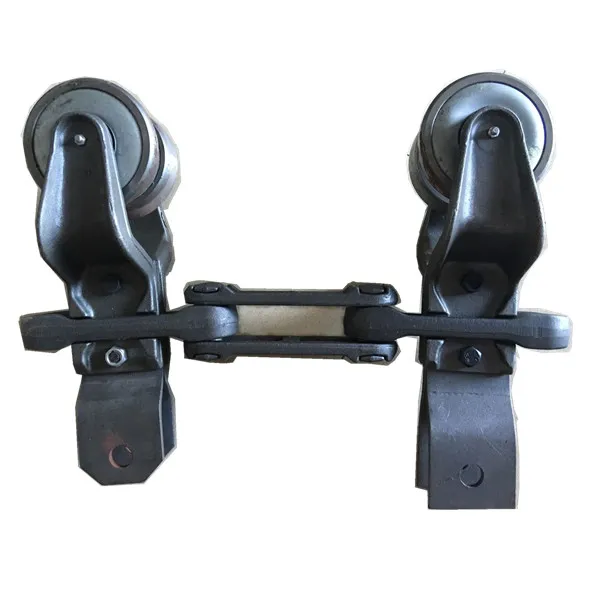
How do you calculate the required horsepower for a conveyor chain drive?
The calculation of required horsepower for a conveyor chain drive involves considering various factors related to the conveyor system and the specific application. Here is a step-by-step process:
1. Determine the Total Resistance:
– Calculate the total resistance that the conveyor chain needs to overcome during operation. This includes the resistance due to the load being conveyed, frictional losses, elevation changes, and any other resistances in the system.
2. Convert the Resistance to Equivalent Inertia:
– Convert the total resistance to an equivalent inertia by multiplying it by the square of the chain speed.
3. Calculate the Total Inertia:
– Determine the total inertia of the system by considering the inertia of all the rotating components, such as the conveyor chain, sprockets, and any other driven elements.
4. Determine the Required Torque:
– Calculate the required torque by multiplying the total inertia by the desired acceleration or deceleration rate.
5. Convert Torque to Horsepower:
– Convert the required torque to horsepower by dividing it by the motor speed (in RPM) and multiplying by a conversion factor.
6. Consider Safety Factors and Efficiency:
– Apply safety factors to the calculated horsepower to account for variations, contingencies, and future growth.
– Consider the efficiency of the drive system, including the motor, gearbox, and other transmission components, to ensure accurate power transmission.
It’s important to note that the above calculation method provides an estimate of the required horsepower. Consulting with conveyor system manufacturers, engineers, or industry-specific guidelines is recommended for precise calculations and to ensure the selected conveyor chain drive meets the application requirements.
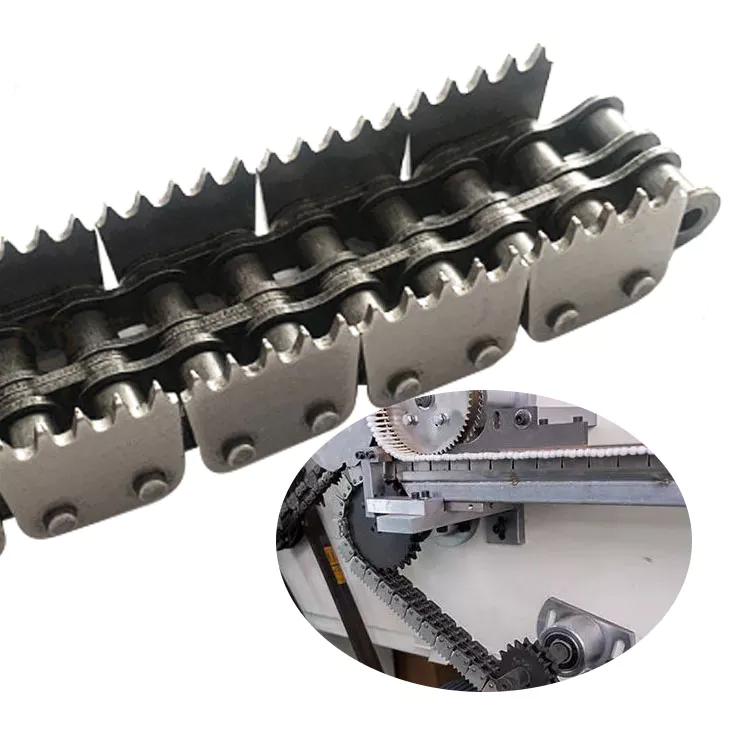
How do you select the appropriate lubricant for a conveyor chain?
Selecting the right lubricant is crucial for maintaining the performance and longevity of a conveyor chain. Here are the key factors to consider when choosing a lubricant:
1. Chain Type and Material: Different conveyor chains may have specific requirements for lubrication based on their construction materials and design. Consult the manufacturer’s recommendations or specifications to determine the lubricant compatibility.
2. Operating Conditions: Consider the operating environment, such as temperature, humidity, and presence of contaminants. For high-temperature applications, choose a lubricant with a higher temperature tolerance. In wet or dusty environments, opt for lubricants that offer excellent resistance to water washout and provide effective protection against contaminants.
3. Load and Speed: Evaluate the load capacity and speed of the conveyor chain. Higher loads and speeds may require lubricants with better film strength and anti-wear properties to reduce friction and prevent premature wear.
4. Lubrication Method: Determine the lubrication method that will be used for the conveyor chain. Lubricants can be applied through drip systems, brushes, spray nozzles, or automatic lubrication systems. Consider the viscosity and consistency of the lubricant to ensure proper application and distribution.
5. Food-Grade Requirements: In food processing or pharmaceutical applications, where direct contact with the product may occur, it’s essential to use food-grade lubricants that meet industry regulations and requirements for safety and hygiene.
6. Maintenance Schedule: Consider the desired maintenance intervals and the lubricant’s longevity. Some lubricants may require more frequent reapplication, while others provide longer-lasting lubrication.
7. Compatibility with Other Materials: Take into account the compatibility of the lubricant with other materials in the conveyor system, such as seals, gaskets, and paints. Ensure that the lubricant does not cause any adverse effects on these components.
It is recommended to consult with lubricant manufacturers or industry experts to select the most suitable lubricant for your specific conveyor chain application. They can provide guidance based on their expertise and knowledge of lubricant formulations and performance characteristics.

What are the main components of a conveyor chain?
The main components of a conveyor chain include:
- Chain Links: Chain links are the individual components that make up the conveyor chain. They are typically made of metal and are connected to form a continuous loop. The design and configuration of the chain links can vary depending on the specific application and load requirements.
- Pins: Pins are the cylindrical components that hold the chain links together. They are inserted through the end of each chain link to create a solid connection. Pins are usually made of hardened steel to withstand the forces and friction within the conveyor system.
- Sprockets: Sprockets are toothed wheels that engage with the chain links and provide the driving force to move the conveyor chain. They are typically made of durable materials such as steel or plastic and are designed to match the pitch and profile of the conveyor chain. Sprockets come in various sizes and configurations depending on the desired speed and load capacity of the conveyor system.
- Guide Rails: Guide rails are stationary components installed along the conveyor path to guide and support the movement of the conveyor chain. They help maintain proper alignment and prevent the chain from derailing or deviating from its intended path.
- Tensioners: Tensioners are devices used to maintain the proper tension in the conveyor chain. They ensure that the chain remains taut and engaged with the sprockets, preventing slack or excessive sagging. Tensioners can be adjusted to accommodate variations in chain length and to compensate for wear over time.
- Attachments and Accessories: Depending on the specific application, conveyor chains may include various attachments and accessories. These can include cleats, flights, buckets, or other devices that aid in the movement and handling of specific types of materials. These attachments are typically secured to the chain links at specific intervals or locations.
The combination of these components creates a robust and reliable conveyor chain system capable of efficiently transporting materials in a wide range of industrial applications.


editor by CX 2024-04-17