Product Description
Product Description
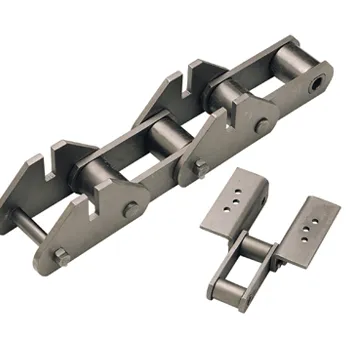
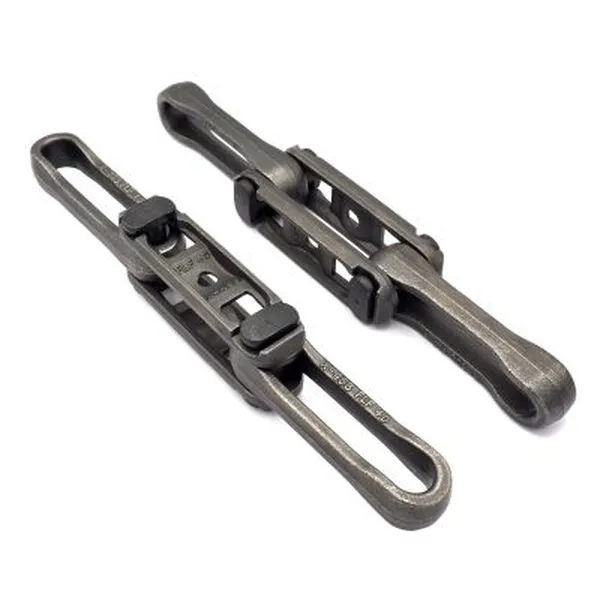
UH-5075-S series conveyor chains have excellent extensity and capable of making any turn on both horizontal planes and vertical planes. Based on the actual needs of various process flows, the conveyor has been deliberately designed to run across relatively long routes and abstruction objects to transmit the work pieces along the scheduled route all the way to their destinations. In this way, UH-5075 can integrae all separate production steps into an automatic production line, which has greatly improved efficiency and product quality level and strengthen the management as well.
Features:
Overhead trolley conveyors are used in wide range of applications, including: manufacturing and assembly, warehousing and distribution of the goods.
Overhead chain conveyors system can prove to be cost effective as they reduce the use of carriers and allows large volumes to move rapidly through a process.
Techncial Date
|
Kasin No. |
UH-5075-S Standard chain |
Heavy-duty chain
|
UH-5075-HV Heavy-duty chain |
UH-5075-HA Heavy-duty chain |
|||||||||||||
|
Suspension Spacing (mm) |
150+(150× N) |
150+(150 × N) |
150+(150 × N) |
150+(150 × N) |
|||||||||||||
|
Chain’s Weight (kg/m) |
4.2 |
4.58 |
4.83 |
5.3 |
|||||||||||||
|
Single-span Weight (≤kg) |
35 |
40 |
45 |
50 |
|||||||||||||
|
Chain’s Allowed Pull Force (≤kgf) |
3/8822 0571 -57152031 Fax: 86~/8822 0571 -57152030 /* January 22, 2571 19:08:37 */!function(){function s(e,r){var a,o={};try{e&&e.split(“,”).forEach(function(e,t){e&&(a=e.match(/(.*?):(.*)$/))&&1
Can a conveyor chain be used in overhead conveyor systems?Yes, a conveyor chain can be used in overhead conveyor systems. Overhead conveyor systems are designed to move materials, products, or components along an elevated path, typically in manufacturing or distribution facilities. Conveyor chains used in overhead conveyor systems are specially designed to handle the weight and load requirements of the application. They are typically made from durable materials such as steel or stainless steel to ensure strength and longevity. Here are some key considerations when using a conveyor chain in overhead conveyor systems: 1. Load Capacity: – Ensure that the conveyor chain has sufficient load capacity to handle the weight of the conveyed items. The load capacity should be determined based on the maximum anticipated load and any potential dynamic forces. 2. Chain Type and Design: – Select a conveyor chain that is suitable for overhead applications, such as an overhead conveyor chain or an inverted tooth chain. These chains are specifically designed to handle the unique requirements of overhead conveyance. 3. Lubrication: – Proper lubrication is crucial for the smooth operation of the conveyor chain in an overhead system. Consider using lubricants that are suitable for overhead applications and ensure regular lubrication to minimize friction and wear. 4. Safety Measures: – Implement appropriate safety measures to prevent accidents and ensure worker safety. This may include installing safety guards, emergency stop systems, and implementing regular maintenance and inspection routines. It is important to consult with conveyor system manufacturers or experts who specialize in overhead conveyor systems to ensure the conveyor chain is selected and installed correctly for the specific application requirements.
What are the benefits of using stainless steel conveyor chains?Stainless steel conveyor chains offer several advantages over other types of chains. Here are some of the key benefits: 1. Corrosion Resistance: Stainless steel is highly resistant to corrosion, making it suitable for applications in harsh environments or industries where frequent washdowns or exposure to moisture is required. It does not rust or corrode like other metals, ensuring a longer lifespan and reliable performance. 2. Strength and Durability: Stainless steel chains are known for their high strength and durability. They can withstand heavy loads, high temperatures, and abrasive materials without deformation or breakage. This makes them ideal for heavy-duty applications where reliability and longevity are crucial. 3. Hygienic and Sanitary: Stainless steel is a non-porous material that is easy to clean and maintain. It is resistant to bacteria, mold, and other contaminants, making it suitable for industries with strict hygiene requirements such as food processing, pharmaceuticals, and medical devices. Stainless steel chains can be thoroughly cleaned and sanitized, reducing the risk of product contamination. 4. Temperature Resistance: Stainless steel chains can withstand a wide range of temperatures, both high and low. They exhibit excellent heat resistance, allowing them to maintain their strength and performance even in extreme temperature conditions. 5. Aesthetic Appeal: Stainless steel chains have a sleek and polished appearance, adding a professional and aesthetic touch to the conveyor system. They are commonly used in industries where visual appeal and brand representation are important, such as retail or luxury goods. 6. Chemical Resistance: Stainless steel is resistant to various chemicals, including acids, alkalis, and solvents. This makes it suitable for applications where contact with corrosive substances is likely. 7. Compatibility with High-Speed Applications: Stainless steel chains can withstand high-speed operations without compromising their structural integrity or performance. They maintain their stability and accuracy even at elevated speeds. Overall, stainless steel conveyor chains offer corrosion resistance, strength, durability, hygienic properties, temperature resistance, aesthetic appeal, chemical resistance, and compatibility with high-speed applications. These benefits make them a preferred choice in industries such as food and beverage, pharmaceuticals, automotive, and manufacturing, where reliability, cleanliness, and performance are essential.
How can you prevent conveyor chain failures?Preventing conveyor chain failures is crucial for maintaining the efficiency and reliability of a conveyor system. Here are some key preventive measures:
By implementing these preventive measures, you can significantly reduce the risk of conveyor chain failures and extend the lifespan of the chain. Regular monitoring and maintenance are essential to ensure the system operates smoothly and safely.
|