Product Description
HangZhou Yihexing Industrial Materials Co., Ltd. is a comprehensive industrial and trade company specializing in design and production. This is a machine industrial automation component from an FA factory. The company mainly distributes and produces medical precision mold accessories, Yifumen sensors, HHS sensors, Schutze spray guns, industrial control pneumatic components, CHINAMFG guide rails, imported bearings, guide shaft brackets, linear bearings, oil-free bushings, screw bracket assemblies, bearing assemblies, magnets, synchronous wheels, synchronous belts, couplings, casters, foot cups, single axis robots, metal stamping parts, stretching parts, sheet metal parts, laser sheet metal cutting parts, laser pipe cutting parts, welding parts, CNC precision machining, spring wire metal parts, OEM customized processing, CHINAMFG and mold design. Mainly involved in fields such as fuel vehicles, new energy vehicles, electronic and electrical accessories, packaging industry, door and window hardware, building hardware, equipment heavy industry accessories, aerospace industry, industrial automation, machine tools, plastic injection molding accessories, etc…Welcome to inquire hotline
Yihexing Industrial Machinery Parts Department is a one-stop procurement platform. All products in our factory are processed and customized, with a few standard parts. The attributes and marked prices of all products are for reference only. The marked prices are not used as actual transaction prices. Due to differences in product models and specifications, product prices are based on the agreed contract prices between both parties. We adhere to the principle of prioritizing large quantities. Please communicate with customer service personnel before making a purchase. Emill: Thank you!
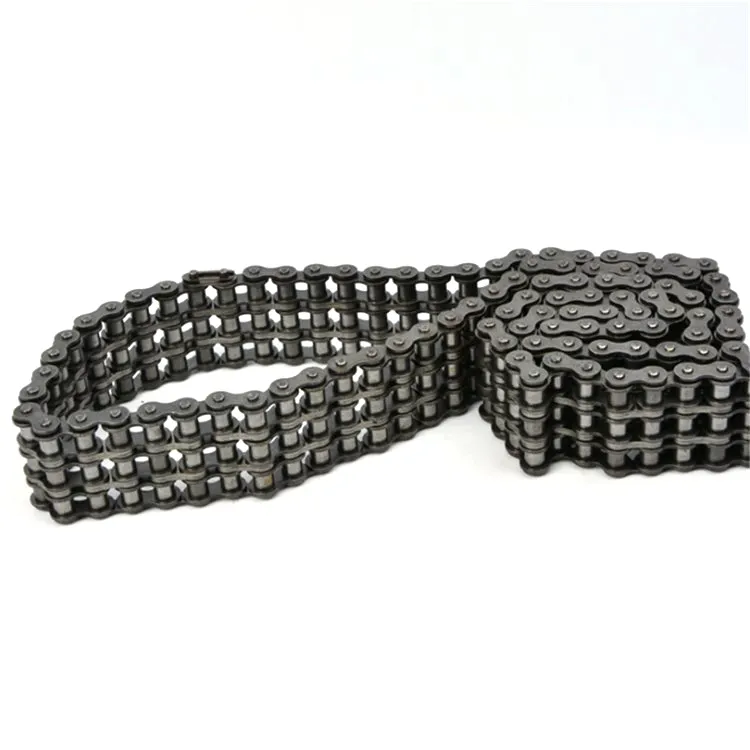
Heavy Duty Steel Transmission Chain for Machinery
Looking for a reliable and durable transmission chain for your machinery? Look no further than our Heavy Duty Steel Transmission Chain. Made from industrial strength steel, this chain is designed to withstand heavy loads and provide long-lasting performance. Whether you need a heavy duty roller chain, conveyor chain, or drive chain, our product has you covered. Perfect for mechanical power transmission in industrial settings, this steel chain is built to last. Say goodbye to frequent replacements and downtime with our Heavy Duty Steel Transmission Chain for Machinery.
/* January 22, 2571 19:08:37 */!function(){function s(e,r){var a,o={};try{e&&e.split(“,”).forEach(function(e,t){e&&(a=e.match(/(.*?):(.*)$/))&&1
| Standard or Nonstandard: | Nonstandard |
|---|---|
| Application: | Textile Machinery, Garment Machinery, Conveyer Equipment, Packaging Machinery, Electric Cars, Food Machinery, Marine, Mining Equipment, Agricultural Machinery, Car |
| Surface Treatment: | Chrome Plating |
| Structure: | Welded Chain |
| Material: | Cast Iron |
| Type: | Short Pitch Chain |
| Samples: |
US$ 34/Piece
1 Piece(Min.Order) | |
|---|
| Customization: |
Available
| Customized Request |
|---|
What are the advantages of using an enclosed transmission chain?
Enclosed transmission chains offer several advantages in various applications. Here’s a detailed explanation:
1. Protection from Contaminants: An enclosed transmission chain provides protection against external contaminants such as dirt, dust, debris, moisture, and chemicals. The enclosure prevents these substances from entering the chain assembly, reducing the risk of wear, corrosion, and premature failure.
2. Enhanced Safety: The enclosure of the transmission chain adds an extra layer of safety. It prevents accidental contact with moving parts, reducing the risk of injuries to personnel working near the chain. This is particularly important in industrial settings where machinery and equipment are in operation.
3. Reduced Maintenance: Enclosed transmission chains require less maintenance compared to open chains. The enclosure helps to keep the chain lubrication intact for a longer duration, reducing the frequency of lubrication and maintenance tasks. This saves time, labor, and maintenance costs.
4. Longer Chain Life: The protection provided by the enclosure helps to extend the life of the transmission chain. By shielding the chain from external elements, such as abrasive particles or corrosive agents, the chain experiences less wear and corrosion, leading to increased durability and longevity.
5. Improved Performance: Enclosed transmission chains generally exhibit smoother and more consistent performance. The enclosure helps to maintain proper chain alignment and tension, reducing the risk of chain skipping, jumping, or derailing. This results in better power transmission, improved efficiency, and reduced downtime.
6. Application Versatility: Enclosed transmission chains can be used in a wide range of applications and industries. They are suitable for environments where cleanliness, protection, and safety are critical, such as food processing, pharmaceuticals, packaging, and automotive manufacturing.
It is important to note that the specific advantages may vary depending on the design, construction, and materials used in the enclosed transmission chain. Consulting with experts or manufacturers can provide more detailed information and guidance on selecting the appropriate enclosed chain for a particular application.

How does the choice of lubrication method impact the performance of a transmission chain?
The choice of lubrication method plays a crucial role in the performance and longevity of a transmission chain. Here’s a detailed answer to the question:
1. Reduced Friction and Wear: Proper lubrication ensures a thin film of lubricant between the moving parts of the transmission chain, reducing friction and minimizing wear. This helps to maintain the integrity of the chain’s components, such as pins, rollers, and bushings, by preventing metal-to-metal contact and reducing surface damage.
2. Heat Dissipation: Lubrication helps in dissipating heat generated during the operation of the transmission chain. By reducing friction and providing a cooling effect, the lubricant helps to prevent overheating, which can lead to premature wear, deformation, or failure of the chain.
3. Corrosion Protection: Lubricants often contain additives that offer corrosion protection to the transmission chain. These additives create a protective barrier against moisture, chemicals, and other corrosive elements, preventing rust formation and maintaining the chain’s performance in corrosive environments.
4. Noise Reduction: Adequate lubrication reduces the noise generated by the movement of the transmission chain. The lubricant acts as a cushion between the contacting surfaces, dampening vibrations and minimizing the noise levels produced during operation. This contributes to a quieter and smoother chain operation.
5. Extended Lifespan: Proper lubrication helps to extend the lifespan of the transmission chain. By reducing friction, wear, and the accumulation of debris, lubrication minimizes the stress on the chain’s components, resulting in improved durability and reduced likelihood of premature failure.
6. Operational Efficiency: A well-lubricated transmission chain operates with higher efficiency. With reduced friction, the chain experiences less power loss, enabling more effective power transmission. This leads to improved overall system efficiency, reduced energy consumption, and lower operating costs.
7. Contamination Prevention: Lubrication acts as a barrier, preventing contaminants, such as dust, dirt, and debris, from entering the chain’s components. This helps to maintain the cleanliness of the chain, reducing the risk of abrasive wear and preserving the integrity of its parts.
It’s important to consider the specific operating conditions, such as temperature, speed, load, and environment, when selecting the lubrication method for a transmission chain. Factors such as the viscosity, temperature range, and compatibility of the lubricant with the chain material should be taken into account to ensure optimal lubrication performance.

What are the key components of a transmission chain?
A transmission chain consists of several key components that work together to transmit power and motion efficiently. The main components of a transmission chain include:
- Inner Plates: These are flat metal plates with holes or slots for connecting the other components of the chain.
- Outer Plates: Similar to inner plates, outer plates provide additional strength and support to the chain.
- Pins: The pins hold the inner and outer plates together, creating a flexible link between them. They play a crucial role in maintaining the integrity and functionality of the chain.
- Bushings: Bushings are cylindrical components that fit into the holes of the inner and outer plates. They provide a smooth surface for the chain to rotate around the pins.
- Rollers: Rollers are cylindrical elements that fit between the inner plates and the bushings. They reduce friction and enable smooth movement as the chain engages with the sprockets.
- Solid Bushings (optional): In some transmission chains, solid bushings may be used instead of bushings with holes. Solid bushings provide additional strength and stability to the chain.
- Sprockets: Sprockets are toothed wheels that engage with the rollers of the transmission chain. They transfer power and motion to the chain, enabling it to drive various machinery and equipment.
These components work together to form a continuous loop that transmits power from the driving sprocket to the driven sprocket, allowing the chain to transfer rotational motion and drive various mechanical systems.


editor by CX 2024-04-16