
Product Description
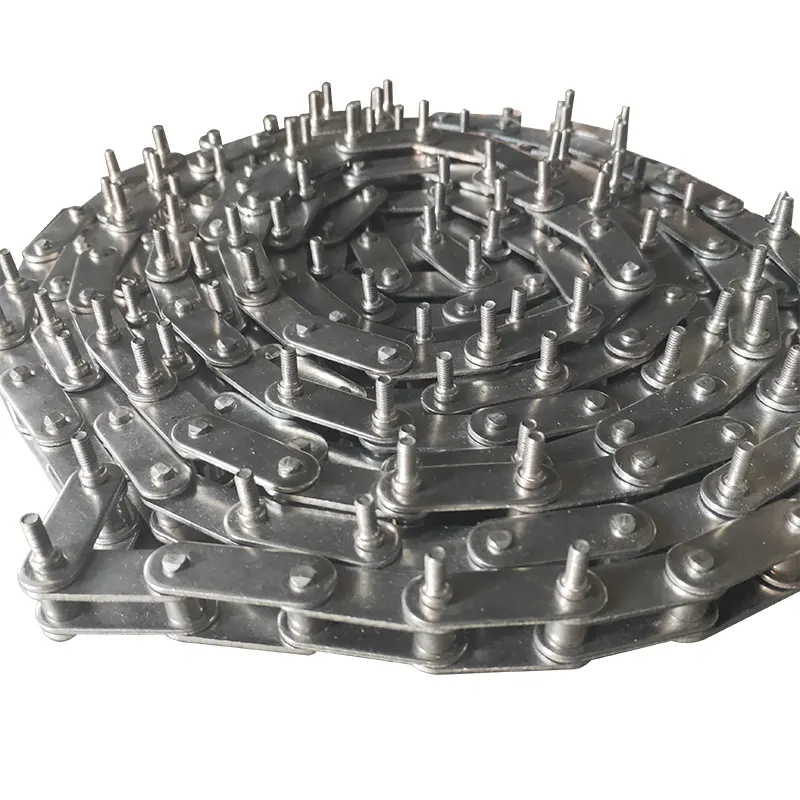
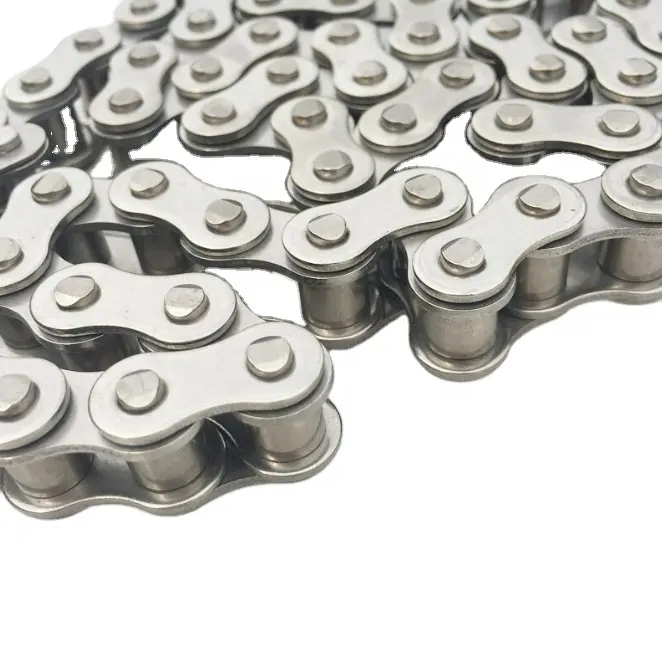
Stainless Steel Roller Chain Standard Conveyor Gear Good Price Best Selling Double Pitch Short Pintle Cast Iron High Quanlity Transmission Steeling Roller Chain
Product Description
HZPT Chain Corp. offers a full range of both precision roller chain and engineered. Applications are varied and range from conveyor, elevator transfer to broad general industrial power transmission specialty applications with attachments and/or special materials are also available.
BICYCLE CHAIN: 408,410,415
MOTORCYCLE CHAIN: 04C, 25H, 06C, T3, 270H,415H, 420, 420L, 425, 428, 428H, 520, 525, 530
ASA ROLLER CHAIN: 35, 40, 41, 50, 60, 60H, 80, 80H, 100, 120, 140, 160, 200, 240 (Catalog)
CHAIN (BRITISH STHangZhouRD): 05-B, 06-B, 08-B, 10-B, 12-B, 16-B, 20-B, 24-B, 28-B, 32-B, 40-B (Catalog)
LARGE PITCH CHAIN: 100, 100H, 120, 120H, 140, 140H, 160, 160H, 180, 200, 240
EXTEND-PITCH PRECISION ROLLER CHAINS: 208A, 208B, 210A, 210B, 212A, 212B, 216A, 216B,220A,220B,224A,224B,228B,232B
ROLLER CHAINS FOR BEER BOTTLINET CONVEYORS: CK-70S,CK-100S,CK-100SA,CK-100SC,CK-133XA, CK-140X, CK-140XA,CK-150X,CK-150S,CK-154X,CK-155X,CK-155XA,CK-160X,CK-160XA,CK-160XB,CK-160XC,CK-165X, CK-165XA, CK-169, CK-180X,CK-180XA,CK-200S,CW-102,CW-127
IMPLEMENT ROLLER CHAINS FOR CONVEYORS: 81X, 81XH,81XHH,CA550,CA555,CA620
By adopting integrated optimum design of the structural dimensions, parts material and
heat treatment process, the ultimate tensile strength of SP series high strength roller
chain is 28% more than that of A series standard roller chain. Moreover, it has excellent
performances of fatigue strength and impact resistance etc..
Stainless steel roller chains offer several advantages and characteristics, including:
-
Corrosion resistance: Stainless steel roller chains are highly resistant to corrosion and oxidation, making them suitable for use in environments where exposure to moisture, chemicals, or harsh weather conditions is common. They are less prone to rust and can maintain their performance and appearance over extended periods.
-
High strength and durability: Stainless steel roller chains are constructed from high-quality stainless steel materials, which provide excellent strength and durability. They can withstand heavy loads, shock loads, and repetitive stress without deformation or failure, ensuring reliable operation and prolonged service life.
-
Cleanliness and hygiene: Stainless steel roller chains are easy to clean and maintain, making them ideal for applications that require high levels of cleanliness and hygiene. They do not accumulate dirt, debris, or contaminants easily, which is particularly important in industries such as food processing, pharmaceuticals, and healthcare.
-
Temperature resistance: Stainless steel roller chains exhibit good heat resistance, allowing them to operate effectively in a wide temperature range. They can withstand both high and low temperatures without compromising their performance or structural integrity.
-
Quiet and smooth operation: Stainless steel roller chains are designed to provide quiet and smooth operation. The precise manufacturing tolerances and high-quality materials minimize friction and vibration, resulting in reduced noise levels and smoother power transmission.
-
Resistance to wear and fatigue: Stainless steel roller chains have excellent resistance to wear and fatigue, even under demanding operating conditions. They maintain their dimensional stability and performance over time, reducing the need for frequent replacement and minimizing downtime.
-
Chemical resistance: Stainless steel roller chains exhibit resistance to various chemicals, acids, and alkalis. This makes them suitable for applications in industries such as chemical processing, wastewater treatment, and mining, where exposure to corrosive substances is common.
-
Versatility: Stainless steel roller chains are available in a wide range of sizes and configurations, allowing for versatility in different applications. They can be used in various industries, including automotive, manufacturing, packaging, agriculture, and more.
-
Environmental friendliness: Stainless steel roller chains are recyclable, making them an environmentally friendly choice. They can be melted down and reused, reducing waste and resource consumption.
In summary, the advantages of stainless steel roller chains include corrosion resistance, high strength and durability, cleanliness and hygiene, temperature resistance, quiet and smooth operation, resistance to wear and fatigue, chemical resistance, versatility, and environmental friendliness. These characteristics make stainless steel roller chains a reliable and preferred choice in many industries where performance, longevity, and resistance to harsh conditions are essential.
We also provide matching sprockets
/* January 22, 2571 19:08:37 */!function(){function s(e,r){var a,o={};try{e&&e.split(“,”).forEach(function(e,t){e&&(a=e.match(/(.*?):(.*)$/))&&1
| Usage: | Transmission Chain |
|---|---|
| Material: | Stainless steel |
| Surface Treatment: | Polishing |
| Feature: | – |
| Chain Size: | – |
| Structure: | Roller Chain |
| Samples: |
US$ 9999/Piece
1 Piece(Min.Order) | |
|---|
Can transmission chains be used in heavy-duty or high-load applications?
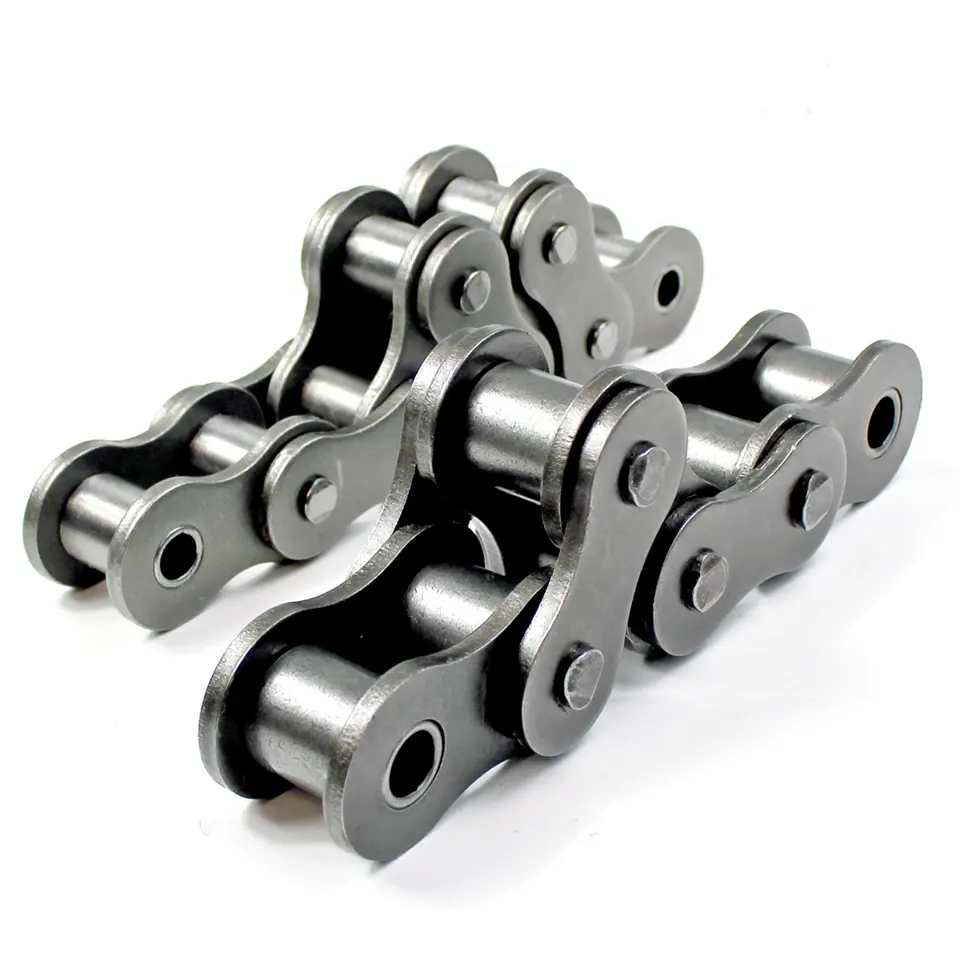
Transmission chains are commonly used in heavy-duty or high-load applications due to their robust construction and ability to handle substantial power transmission requirements. Here’s a detailed explanation:
1. Strength and Durability: Transmission chains are designed to withstand high loads and heavy-duty applications. They are constructed using high-quality materials such as alloy steel, ensuring exceptional strength, toughness, and resistance to fatigue. These chains are engineered to handle the demanding forces and loads encountered in heavy machinery, industrial equipment, and automotive applications.
2. Load Capacity: Transmission chains are available in various sizes and configurations to accommodate different load capacities. Manufacturers provide load ratings and specifications for their chains, allowing users to select the appropriate chain based on the anticipated loads. The load capacity of a transmission chain depends on factors such as chain size, material, design, and heat treatment. It is essential to choose a chain that can handle the specific load requirements of the application.
3. Power Transmission Efficiency: Transmission chains offer high power transmission efficiency, making them suitable for heavy-duty applications. The precision engineering of the chain links and sprockets ensures minimal energy loss during power transfer, maximizing the efficiency of the system. This efficiency is crucial in applications where large amounts of power need to be transmitted reliably and consistently.
4. Adaptability to High Loads: Transmission chains can adapt to various load conditions, including shock loads and dynamic forces. Their design allows them to accommodate sudden changes in loads without compromising performance or integrity. Additionally, heavy-duty transmission chains often incorporate features such as hardened pins, solid rollers, and specialized coatings to enhance their load-bearing capacity and resistance to wear.
5. Wide Range of Applications: Transmission chains find extensive use in industries such as construction, mining, agriculture, material handling, and power transmission. They are employed in heavy machinery, conveyor systems, lifting equipment, industrial drives, and many other applications that involve significant loads. Their versatility and ability to handle high loads make them a reliable choice for demanding environments.
When selecting a transmission chain for heavy-duty or high-load applications, it is essential to consider the specific requirements, including anticipated loads, operating conditions, and environmental factors. Consulting with chain manufacturers or industry experts can provide valuable guidance in choosing the most suitable chain to ensure safe and efficient power transmission in heavy-duty applications.
Can transmission chains be used in power transmission systems?
Yes, transmission chains can be used in power transmission systems. Here’s a detailed answer to the question:
Transmission chains are commonly employed in various power transmission applications where the transfer of mechanical power is required. These chains are designed to transmit rotational motion and power from one shaft to another.
Transmission chains are used in a wide range of power transmission systems, including:
- Industrial Machinery: Transmission chains are used in machinery such as conveyor systems, packaging equipment, printing presses, and machine tools to transfer power and motion between different components.
- Agricultural Equipment: Transmission chains are utilized in farm machinery like tractors, combines, and harvesters to transmit power from the engine to various mechanical components for tasks like cutting, threshing, and planting.
- Automotive: Transmission chains can be found in certain automotive applications, such as motorcycle drive chains or timing chains that synchronize the rotation of the crankshaft and camshaft in internal combustion engines.
- Power Generation: Transmission chains are employed in power generation systems, including wind turbines, hydroelectric turbines, and steam turbines, to transmit rotational motion from the turbine to the generator.
- Construction Equipment: Transmission chains are used in construction equipment like excavators, loaders, and bulldozers to transfer power and motion from the engine to the drivetrain and various hydraulic components.
Transmission chains offer several advantages in power transmission systems:
- High Efficiency: Transmission chains have minimal power losses, allowing for efficient power transfer.
- High Load Capacity: Transmission chains are capable of handling high loads and transmitting substantial amounts of power.
- Flexibility: Transmission chains can be easily customized to fit different applications, with various sizes, lengths, and configurations available.
- Durability: Transmission chains are designed to withstand heavy-duty applications and offer long service life when properly maintained.
- Cost-Effective: Transmission chains are often a cost-effective solution compared to other power transmission options.
It’s important to select the appropriate type and size of transmission chain based on the specific requirements of the power transmission system. Regular maintenance and lubrication are also essential to ensure optimal performance and longevity of the transmission chain.
What are the benefits of using a self-lubricating transmission chain?
A self-lubricating transmission chain, also known as a maintenance-free chain, offers several advantages in various applications. Here are the key benefits:
- Reduced Maintenance: Self-lubricating chains eliminate the need for regular manual lubrication, reducing maintenance time and costs. They are designed with built-in lubrication systems that continuously release lubricant as needed, ensuring optimal chain performance.
- Extended Chain Life: The consistent and controlled lubrication provided by self-lubricating chains helps reduce friction, wear, and corrosion, thereby extending the chain’s operational life. This results in improved reliability and reduced downtime.
- Enhanced Efficiency: Self-lubricating chains maintain their lubrication over an extended period, promoting smooth and efficient power transmission. This helps to minimize power losses and maximize the overall efficiency of the system.
- Cleaner Environment: Since self-lubricating chains release lubricant only when necessary, there is less chance of excess lubrication accumulating and contaminating the surrounding environment. This makes them suitable for applications where cleanliness is crucial, such as food processing, pharmaceuticals, and cleanroom environments.
- Consistent Performance: The self-lubricating feature ensures a constant and reliable supply of lubrication to critical areas of the chain, even in challenging operating conditions. This helps to maintain consistent performance and reduce the risk of premature chain failure.
- Application Versatility: Self-lubricating chains are available in various sizes and configurations, making them suitable for a wide range of applications. They can be used in industries such as automotive, packaging, material handling, and automation.
By choosing a self-lubricating transmission chain, you can enjoy the benefits of reduced maintenance, extended chain life, improved efficiency, a cleaner environment, consistent performance, and versatility in application.


editor by CX 2024-04-25