Product Description
Product Description
Sprockets for Drop Forged Chains
| Chain Model |
Pitch (mm) |
Gear Number Z |
D2 (mm) |
D (mm) |
D3 (mm) |
D1 (mm) |
D4 (mm) |
A (mm) |
Number of Bolts |
Bolt Size |
B (mm) |
C (mm) |
| P100 | 100 | 6 | 197.8 | 70 | 105 | 143 | 135 | 83 | 6 | M12 | 16 | 36 |
| 100 | 7 | 228.2 | 70 | 108 | 146 | 173 | 83 | 6 | M12 | 16 | 36 | |
| 100 | 8 | 259.1 | 85 | 144 | 170 | 196 | 83 | 6 | M12 | 16 | 36 | |
| 100 | 9 | 290.4 | 105 | 174 | 200 | 232 | 83 | 6 | M12 | 16 | 36 | |
| 100 | 10 | 321.9 | 105 | 179 | 241.3 | 264 | 83 | 8 | M12 | 16 | 36 | |
| P142 | 142 | 6 | 284 | 85 | 136.5 | 168.3 | 190.5 | 112 | 6 | M12 | 16 | 46 |
| 142 | 7 | 327.3 | 105 | 162 | 200 | 234 | 112 | 6 | M16 | 16 | 46 | |
| 142 | 8 | 371.1 | 115 | 187.3 | 241.3 | 282 | 127 | 8 | M20 | 16 | 46 | |
| 142 | 9 | 415.2 | 150 | 240 | 285.8 | 330 | 127 | 8 | M20 | 16 | 46 | |
| 142 | 10 | 459.5 | 150 | 240 | 285.8 | 330 | 127 | 8 | M20 | 16 | 46 | |
| 142 | 11 | 504 | 170 | 310 | 368.3 | 419 | 150 | 8 | M20 | 16 | 46 | |
| 142 | 12 | 548.6 | 170 | 345 | 415 | 465 | 150 | 8 | M20 | 16 | 46 | |
| 142 | 13 | 593.4 | 170 | 380 | 470 | 521 | 150 | 8 | M20 | 16 | 46 | |
| 142 | 14 | 638.1 | 170 | 380 | 470 | 546 | 150 | 10 | M20 | 16 | 46 | |
| P142H | 142 | 7 | 327.3 | 105 | 162 | 200 | 234 | 127 | 6 | M16 | 18 | 69 |
| 142 | 8 | 371.1 | 115 | 187.3 | 241.3 | 282 | 150 | 8 | M20 | 18 | 69 | |
| 142 | 9 | 415.2 | 150 | 240 | 285.8 | 330 | 150 | 8 | M20 | 18 | 69 | |
| 142 | 10 | 459.5 | 150 | 240 | 285.8 | 330 | 150 | 8 | M20 | 18 | 69 | |
| 142 | 11 | 504 | 170 | 310 | 368.3 | 419 | 150 | 8 | M20 | 18 | 69 | |
| 142 | 12 | 548.6 | 170 | 345 | 415 | 465 | 150 | 8 | M20 | 18 | 69 | |
| 142 | 13 | 593.4 | 170 | 380 | 470 | 520 | 180 | 8 | M20 | 18 | 69 | |
| 142 | 14 | 638.1 | 170 | 380 | 470 | 546 | 180 | 10 | M20 | 18 | 69 |
Trailers for Drop Forged Chains
| Chain Model | Gear Number Z |
D1 (mm) |
D (mm) |
A (mm) |
C (mm) |
| P100 | 6 | 197.8 | 65 | 57 | 35 |
| 7 | 228.2 | 65 | 57 | 35 | |
| 8 | 259.1 | 65 | 57 | 35 | |
| 9 | 290.4 | 65 | 57 | 35 | |
| 10 | 321.9 | 65 | 57 | 35 | |
| P142 | 6 | 284 | 85 | 74 | 45 |
| 7 | 327.3 | 85 | 74 | 45 | |
| 8 | 371.1 | 85 | 77 | 45 | |
| 9 | 415.2 | 115 | 77 | 45 | |
| 10 | 459.5 | 115 | 77 | 45 | |
| 11 | 504 | 115 | 105 | 45 | |
| 12 | 548.6 | 115 | 105 | 45 | |
| 13 | 593.4 | 115 | 120 | 45 | |
| 14 | 638.1 | 115 | 120 | 45 | |
| P142H | 7 | 327.3 | 115 | 110 | 75 |
| 8 | 371.1 | 115 | 110 | 75 | |
| 9 | 415.2 | 115 | 110 | 75 | |
| 10 | 459.5 | 115 | 120 | 75 | |
| 11 | 504 | 140 | 120 | 75 | |
| 12 | 548.6 | 140 | 120 | 75 | |
| 13 | 593.4 | 140 | 120 | 75 | |
| 14 | 638.1 | 140 | 140 | 75 |
Note: Customized sizes and material are available CZPT request
Sprockets for Roller Conveyor Chains
| Model | Pitch(mm) | Gear Number Z |
d1 (mm) |
d (mm) |
D (mm) |
D1 (mm) |
A (mm) |
B (mm) |
| 66.675 | 66.675 | 6 | 22.23 | 133.41 | 40 | 75 | 80 | 22.8 |
| 66.675 | 7 | 22.23 | 153.74 | 40 | 75 | 80 | 22.8 | |
| 66.675 | 8 | 22.23 | 174.31 | 50 | 100 | 100 | 22.8 | |
| 66.675 | 9 | 22.23 | 195.04 | 50 | 100 | 100 | 22.8 | |
| 66.675 | 10 | 22.23 | 215.87 | 60 | 110 | 100 | 22.8 | |
| 66.675 | 11 | 22.23 | 236.78 | 60 | 110 | 100 | 22.8 | |
| 66.675 | 12 | 22.23 | 257.74 | 60 | 110 | 100 | 22.8 | |
| 100 | 100 | 8 | 36 | 261.44 | 60 | 110 | 100 | 33.2 |
| 100 | 9 | 36 | 292.52 | 70 | 120 | 100 | 33.2 | |
| 100 | 10 | 36 | 323.77 | 70 | 120 | 100 | 33.2 |
Tht
The full range of our conveyor products:
/* January 22, 2571 19:08:37 */!function(){function s(e,r){var a,o={};try{e&&e.split(“,”).forEach(function(e,t){e&&(a=e.match(/(.*?):(.*)$/))&&1
| Transport Package: | Pallet |
|---|---|
| Specification: | Drop Forged Chain Sprockets, Roller Chain Sprocket |
| Trademark: | Yutung |
| Origin: | China |
| Samples: |
US$ 10/Piece
1 Piece(Min.Order) | |
|---|
| Customization: |
Available
| Customized Request |
|---|

Factors Affecting the Efficiency of a wheel sprocket Setup
Several factors can influence the efficiency of a wheel sprocket system in power transmission and motion control applications. These factors should be carefully considered and optimized to ensure the system’s overall effectiveness and performance:
- 1. Friction: Friction between the wheel, sprocket, and the chain or belt can lead to energy losses. Using high-quality materials and lubrication can help reduce friction and improve efficiency.
- 2. Alignment: Proper alignment between the wheel and the sprocket is critical. Misalignment can cause increased wear, noise, and reduced efficiency. Regular maintenance and alignment checks are essential.
- 3. Tension: The correct tension in the chain or belt is crucial for efficient power transmission. Too loose or too tight tension can lead to performance issues and premature wear.
- 4. Material and Design: The choice of materials for the wheel sprocket, as well as their design, can impact efficiency. High-quality materials and well-engineered components reduce wear and improve overall system performance.
- 5. Load Distribution: Uneven load distribution across the wheel sprocket can lead to localized wear and decreased efficiency. Ensuring proper load distribution helps maintain uniform wear and power transmission.
- 6. Environmental Factors: Harsh environmental conditions, such as dust, moisture, and extreme temperatures, can affect the efficiency of the system. Choosing suitable materials and implementing protective measures can mitigate these effects.
- 7. Maintenance: Regular maintenance, including lubrication, inspection, and timely replacement of worn components, is vital for the long-term efficiency of the system.
- 8. Speed and Torque: The operating speed and torque requirements of the application should be considered when selecting the appropriate wheel sprocket size and specifications.
- 9. Chain or Belt Type: Different types of chains or belts, such as roller chains, silent chains, or toothed belts, have varying efficiencies. Choosing the right type for the specific application is crucial.
- 10. System Integration: The wheel sprocket system should be integrated correctly with other components in the machinery to ensure smooth operation and minimal energy losses.
By carefully considering and optimizing these factors, it is possible to improve the efficiency of the wheel sprocket system, leading to reduced energy consumption, less wear and tear, and overall better performance.
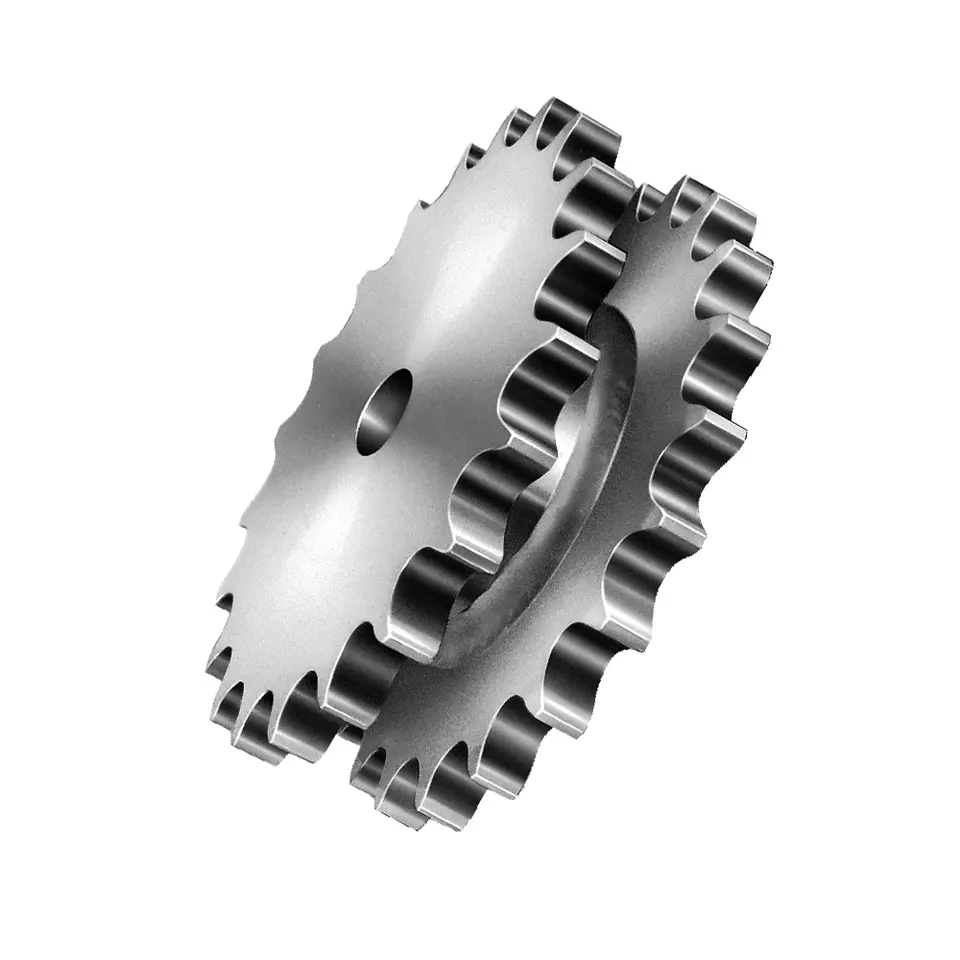
Temperature Limits for wheel sprocket System’s Operation
The temperature limits for a wheel sprocket system’s operation depend on the materials used in the construction of the components. Different materials have varying temperature tolerances, and exceeding these limits can lead to reduced performance, premature wear, and even system failure.
Here are some common materials used in wheel sprocket systems and their general temperature limits:
- Steel: Steel sprockets and wheels, which are widely used in many applications, typically have a temperature limit ranging from -40°C to 500°C (-40°F to 932°F). However, the specific temperature range may vary based on the grade of steel and any coatings or treatments applied.
- Stainless Steel: Stainless steel sprockets and wheels offer improved corrosion resistance and can withstand higher temperatures than regular steel. Their temperature limit is typically between -100°C to 600°C (-148°F to 1112°F).
- Plastics: Plastic sprockets and wheels are commonly used in low-load and low-speed applications. The temperature limit for plastic components varies widely depending on the type of plastic used. In general, it can range from -40°C to 150°C (-40°F to 302°F).
- Aluminum: Aluminum sprockets and wheels have a temperature limit of approximately -40°C to 250°C (-40°F to 482°F). They are often used in applications where weight reduction is critical.
It’s essential to consult the manufacturer’s specifications and material data sheets for the specific components used in the wheel sprocket system to determine their temperature limits accurately. Factors such as load, speed, and environmental conditions can also influence the actual temperature tolerance of the system.
When operating a wheel sprocket system near its temperature limits, regular monitoring and maintenance are necessary to ensure the components’ integrity and overall system performance. If the application involves extreme temperatures beyond the typical limits of the materials, specialized high-temperature materials or cooling measures may be required to maintain reliable operation.
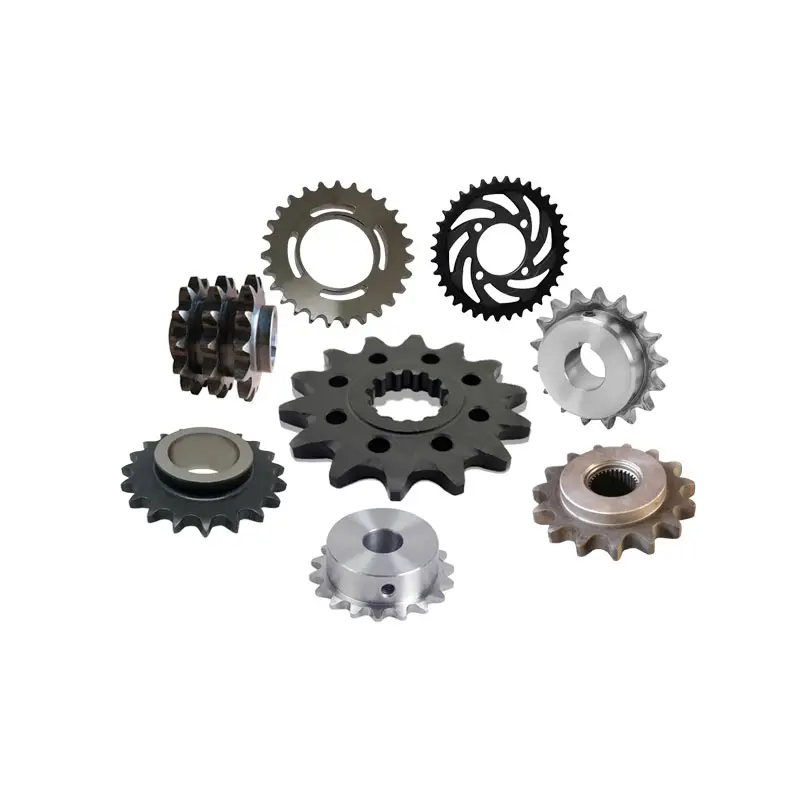
Can a wheel sprocket System be Used in Bicycles and Other Vehicles?
Yes, a wheel sprocket system is commonly used in bicycles and various other vehicles. In bicycles, the wheel sprocket system is a fundamental part of the drivetrain, which transfers power from the rider’s legs to the wheels, propelling the bicycle forward.
The typical bicycle drivetrain consists of a chain, front sprockets (chainrings), rear sprockets (cassette), and the bicycle’s wheels. When the rider pedals the bicycle, the chain engages with the sprockets, and as a result, the rotational motion from the pedaling is transferred to the rear wheel.
The selection of sprocket sizes (number of teeth on chainrings and cassette) can affect the gear ratio, allowing cyclists to adjust their pedaling effort and speed to suit different terrains and riding conditions. Smaller sprockets provide easier pedaling for climbing steep hills, while larger sprockets offer higher speeds on flat or downhill sections.
Beyond bicycles, the wheel sprocket system is widely used in various other vehicles and machinery to transmit power and control speed. It can be found in motorcycles, mopeds, electric scooters, and even some small electric vehicles. Additionally, the wheel sprocket system is prevalent in industrial machinery, where precise speed control and torque transmission are essential.
The efficiency and reliability of the wheel sprocket system make it a versatile and practical choice for many vehicles and mechanical applications.


editor by CX 2024-03-02