Product Description
The High Quality Made to Order Roller Chain Sprocket Supply (Standard America, KANA, Europen, ANSI Standard or made to drawing)
Product Description
1. Produce strictly in accordance with standard dimension
2. Material: 1045 Steel / Alloy Steel / Stainless Steel 304 & 316
3. Standard: ANSI, DIN, JINS, ISO, KANA,Standard America or customer’s drawing
4. Pilot bore, finished bore, taper bore and special bore.
5. Bright surface / high precision / Blacking /Electrophoretic-Coated
6. Advanced heat treatment and surface treatment craft
7. Best quality and competitive price.
8. Welcome OEM / ODM
9. Processing Equipment: Hobbing machine, Slotting machine, CNC lathes and other equipment.
10. Sprocket Models: Contains special sprocket according to customer’s drawings, standard sprocket (American standard and metric).
Detailed Photos
View more products,please click here…
Company Profile
/* January 22, 2571 19:08:37 */!function(){function s(e,r){var a,o={};try{e&&e.split(“,”).forEach(function(e,t){e&&(a=e.match(/(.*?):(.*)$/))&&1
| Standard Or Nonstandard: | Standard |
|---|---|
| Application: | Machinery, Agricultural Machinery, Industry |
| Hardness: | Hardness |
| 40: | 1/2" |
| 50: | 5/8" |
| 60: | 3/4" |
| Samples: |
US$ 0/Piece
1 Piece(Min.Order) | |
|---|
| Customization: |
Available
| Customized Request |
|---|
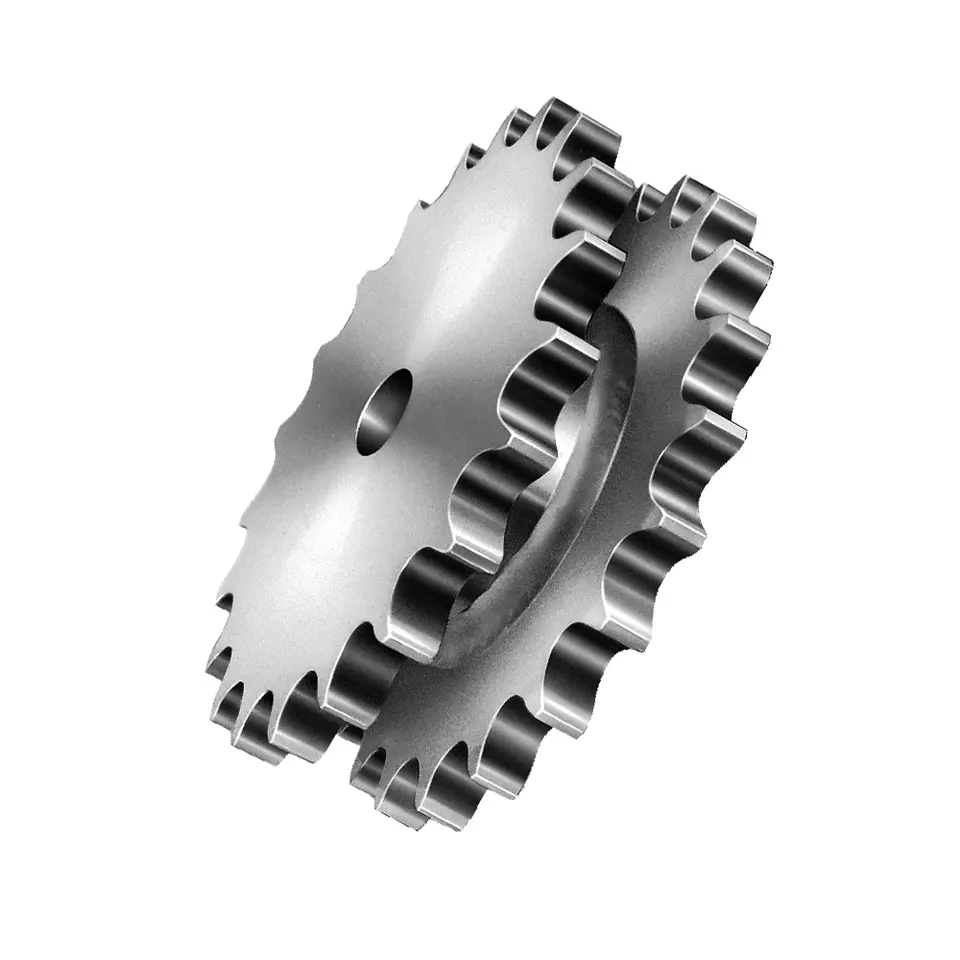
How to Identify and Troubleshoot Common Issues with Wheels and Sprockets
Identifying and troubleshooting common issues with wheels and sprockets can help you maintain their proper functioning and prevent potential problems. Here are some steps to follow:
- Abnormal Noise: If you notice unusual noise during operation, it could indicate misalignment, worn sprockets, or a loose chain. Check for any loose bolts or fasteners and ensure proper alignment of the sprockets.
- Chain Slippage: Chain slippage can occur due to insufficient tension or worn-out sprocket teeth. Check the chain tension and adjust it to the recommended level. Inspect the sprocket teeth for signs of wear and replace them if necessary.
- Uneven Wear: Uneven wear on the sprocket teeth can be a result of misalignment or a worn-out chain. Check the alignment of the sprockets and adjust as needed. If the chain is stretched or has damaged links, replace it with a new one.
- Excessive Vibration: Excessive vibration may be caused by imbalanced wheels or misaligned sprockets. Check for any bent or damaged wheels and ensure proper alignment of the sprockets.
- Chain Skipping: If the chain skips over the sprocket teeth during operation, it could be due to worn sprocket teeth or a loose chain. Inspect the sprocket teeth for signs of wear and replace them if necessary. Adjust the chain tension to the proper level.
- Chain Jamming: Chain jamming can occur if there is debris or dirt between the chain and sprockets. Clean the chain and sprockets thoroughly to remove any obstructions.
- Excessive Chain Wear: Regularly inspect the chain for signs of wear, such as elongation, damaged links, or rust. Replace the chain if it is significantly worn to avoid damage to the sprockets.
- Overheating: Overheating can be caused by high friction between the chain and sprockets or improper lubrication. Ensure proper lubrication and check for any misalignment or tight spots in the system.
By identifying these common issues and performing regular inspections, you can troubleshoot problems early on and take appropriate corrective measures, ensuring the smooth operation and longevity of the wheel sprocket assembly.
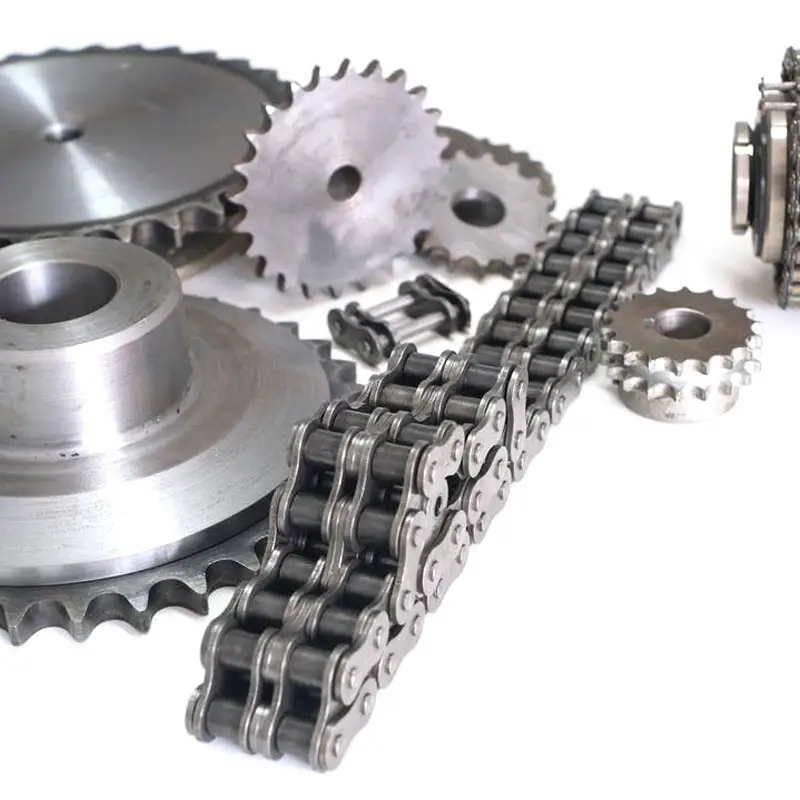
Using a Belt Sprocket in Place of a Chain Sprocket with a Wheel
Yes, in many cases, a belt sprocket can be used in place of a chain sprocket with a wheel, provided that the system is designed to accommodate the change.
Both chain sprockets and belt sprockets serve the same fundamental purpose of transferring rotational motion and power between the wheel and the driven component. However, there are some important considerations to keep in mind when replacing a chain sprocket with a belt sprocket:
- Alignment: Belt sprockets and chain sprockets must be aligned properly with the wheel to ensure smooth and efficient power transmission. Any misalignment can cause premature wear and reduce the system’s overall performance.
- Tension: Chain-driven systems require specific tension to prevent slack and maintain proper engagement between the sprockets and the chain. Belt-driven systems, on the other hand, require appropriate tension to prevent slippage. Ensuring the correct tension for the specific type of sprocket is crucial for reliable operation.
- Load Capacity: Consider the load capacity and torque requirements of the system when selecting a belt sprocket. Belt sprockets may have different load-carrying capabilities compared to chain sprockets, and using the wrong type can lead to premature wear or failure.
- Speed and RPM: Belt-driven systems may have different operating speeds and RPM limits compared to chain-driven systems. Ensure that the selected belt sprocket can handle the desired rotational speed without exceeding its design limitations.
- System Design: Changing from a chain-driven system to a belt-driven system (or vice versa) may require modifications to the overall system design, including the size of the sprockets and the layout of the system. Consult with an engineer or a qualified professional to ensure that the replacement is appropriate and safe.
Overall, replacing a chain sprocket with a belt sprocket can be a viable option in certain applications. However, it’s essential to consider the factors mentioned above and evaluate the compatibility of the new sprocket with the existing system to achieve optimal performance and longevity.

Choosing the Right Size of Sprocket to Match a Wheel
Choosing the correct size of sprocket to match a wheel is essential for ensuring efficient power transmission and proper functionality of a mechanical system. Here are the steps to help you choose the right size of sprocket:
1. Determine the Pitch Diameter of the Wheel:
Measure the diameter of the wheel from the center to the point where the teeth of the sprocket will engage with the wheel. This measurement is known as the pitch diameter of the wheel.
2. Identify the Desired Gear Ratio:
Determine the gear ratio you want to achieve for your application. The gear ratio is the ratio of the number of teeth on the sprocket to the number of teeth on the wheel and determines the speed and torque output.
3. Calculate the Number of Teeth on the Sprocket:
Once you have the pitch diameter of the wheel and the desired gear ratio, you can calculate the number of teeth on the sprocket using the formula:
Number of Teeth on Sprocket = (Desired Gear Ratio) * (Number of Teeth on Wheel)
4. Select a Standard Sprocket Size:
Based on the calculated number of teeth on the sprocket, choose a standard sprocket size that comes closest to the calculated value. Sprockets are available in various tooth counts, and you may need to choose the nearest size available.
5. Consider Chain Compatibility:
If you are using a chain drive system, ensure that the selected sprocket is compatible with the chain you plan to use. The chain pitch (distance between the centers of adjacent roller pins) should match the pitch of the sprocket.
6. Verify Center Distance:
Check that the center distance between the wheel and the sprocket is appropriate for your application. The center distance is the distance between the centers of the wheel and the sprocket and should be set to achieve the desired tension and alignment of the chain or belt.
7. Consider the Material and Tooth Profile:
Select a sprocket material suitable for your application, such as steel, stainless steel, or plastic, based on factors like load, environment, and operating conditions. Additionally, consider the tooth profile (standard or custom) to ensure smooth engagement with the chain or belt.
By following these steps and considering the specific requirements of your machinery and mechanical system, you can choose the right size of sprocket to match your wheel and achieve optimal performance and longevity of the system.


editor by CX 2024-04-15