
Product Description
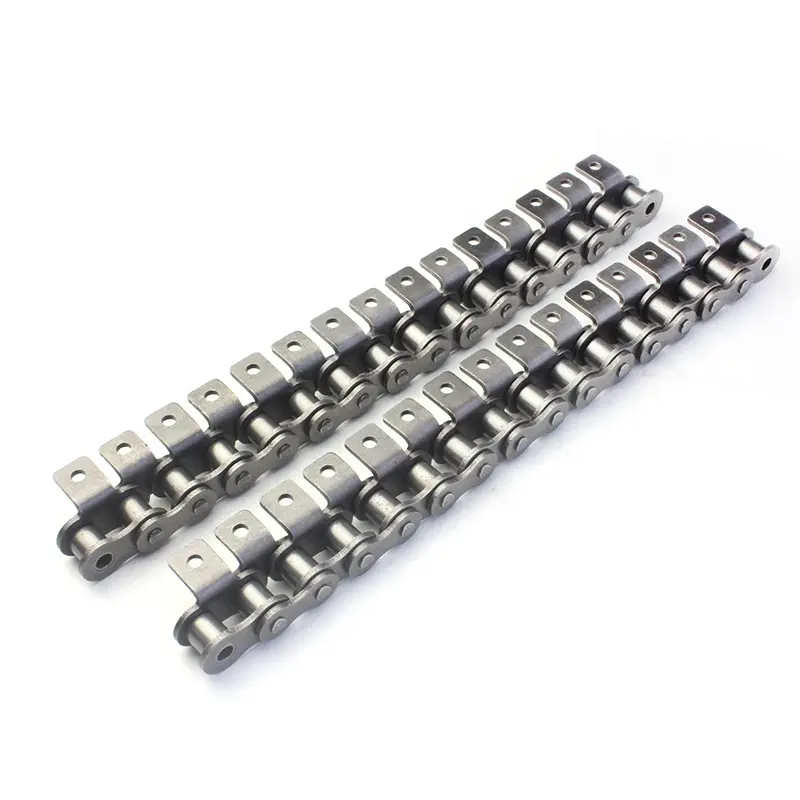
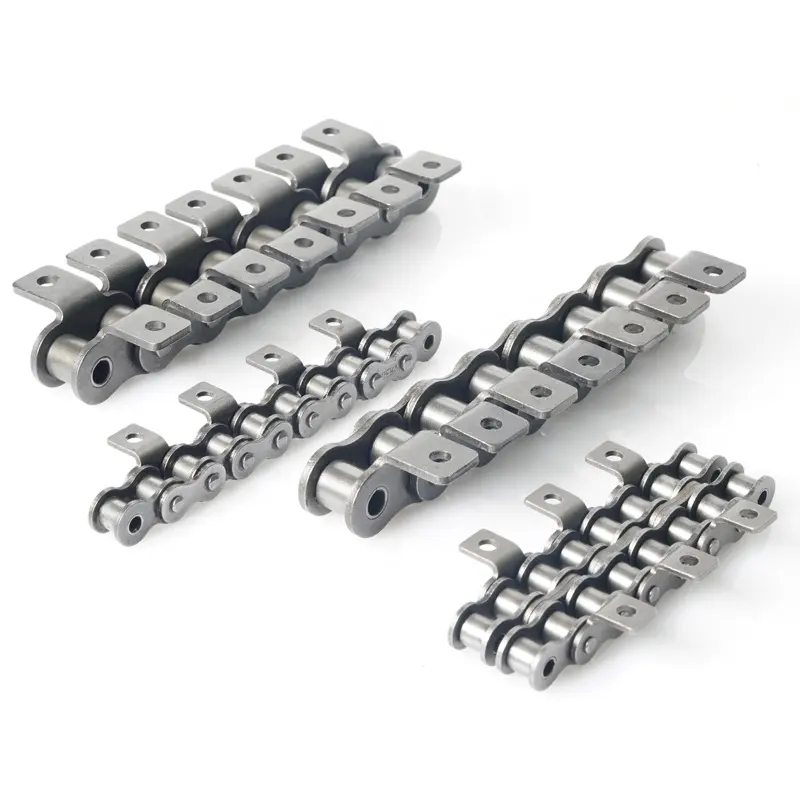
DIN ANSI standard or Customize Industrial Agricultural machinery parts Stainless Steel Drive Transmission Conveyor Roller Chains |
| Related Products |
| Our Company |
| Ever-power Group specialist in making all kinds of mechanical transmission and hydraulic transmission like: planetary gearboxes, worm reducers, in-line helical gear speed reducers, parallel shaft helical gear reducers, helical bevel reducers, helical worm gear reducers, agricultural gearboxes, tractor gearboxes, auto gearboxes, pto shafts, special reducer & related gear components and other related products, sprockets, hydraulic system, vacuum pumps, fluid coupling, gear racks, chains, timing pulleys, udl speed variators, v pulleys, hydraulic cylinder, gear pumps, screw air compressors, shaft collars low backlash worm reducers and so on. furthermore, we can produce customized variators, geared motors, electric motors and other hydraulic products according to customers’ drawings. We provides a reliable grantee for the product’ s quality by advanced inspection and testing equipment. professional technical team, exquisite processing technology and strict control system. In recent years, the company has been developing rapidly by its rich experience in production, advanced management system, standardized management system, strong technical force. We always adhere the concept of survival by quality, and development by innovation in science and technology. Our Group is willing to work with you hand in hand and create brilliance together! |
| Material available Low carbon steel, C45, 20CrMnTi, 42CrMo, 40Cr, stainless steel. Can be adapted regarding customer requirements. |
| Standard or Nonstandard: | Standard |
|---|---|
| Application: | Textile Machinery, Conveyer Equipment, Packaging Machinery, Electric Cars, Motorcycle, Food Machinery, Marine, Mining Equipment, Agricultural Machinery |
| Surface Treatment: | Chrome Plating |
| Structure: | Hollow Chain |
| Material: | Carbon Steel |
| Type: | Double Pitch Chain |
How does the elongation of a transmission chain affect its lifespan?
Transmission chains are subject to gradual elongation over time as a result of wear and fatigue. The elongation of a transmission chain refers to the increase in its length due to the stretching of the chain’s components. Here’s a detailed explanation of how elongation affects the lifespan of a transmission chain:
1. Increased Slack: As a transmission chain elongates, it develops more slack between the chain links. The increased slack reduces the chain’s tension and can negatively impact its performance. Excessive slack can lead to chain skipping, misalignment, and reduced power transmission efficiency. This can cause vibrations, noise, and accelerated wear on the chain and sprockets.
2. Accelerated Wear: Elongation puts additional stress on the chain’s pins, bushings, and rollers. The increased tension and movement between the chain’s components lead to accelerated wear and fatigue. This can result in chain elongation becoming a self-perpetuating problem, as the worn components further contribute to elongation and reduced performance.
3. Decreased Load Capacity: Elongation reduces the effective pitch length of the transmission chain, resulting in decreased load-carrying capacity. The reduced load capacity can limit the chain’s ability to handle heavy loads or transmit power effectively. This can lead to premature failure or damage to the chain and associated machinery.
4. Increased Maintenance Requirements: Elongated transmission chains require more frequent maintenance and adjustment to maintain proper tension and performance. Regular monitoring and adjustment of chain tension are necessary to minimize wear, prevent excessive elongation, and ensure optimal power transmission. Failure to address elongation promptly can lead to more severe damage to the chain and other components, resulting in costly repairs and downtime.
5. Reduced Service Life: The elongation of a transmission chain directly affects its service life. As the chain elongates, its performance, efficiency, and load-carrying capacity gradually deteriorate. The rate of elongation depends on various factors such as chain quality, operating conditions, lubrication, and maintenance practices. Over time, if elongation is not addressed, the chain may become unable to perform its intended function effectively, leading to chain failure and the need for replacement.
To mitigate the negative effects of elongation and extend the lifespan of a transmission chain, regular maintenance, including proper lubrication and tension adjustment, is crucial. Periodic inspections for signs of wear, elongation, and fatigue should be conducted to identify potential issues early and take appropriate corrective measures. Additionally, selecting high-quality chains and following manufacturer recommendations for installation, operation, and maintenance can help minimize elongation and maximize the chain’s lifespan.

How does the choice of lubrication method impact the performance of a transmission chain?
The choice of lubrication method plays a crucial role in the performance and longevity of a transmission chain. Here’s a detailed answer to the question:
1. Reduced Friction and Wear: Proper lubrication ensures a thin film of lubricant between the moving parts of the transmission chain, reducing friction and minimizing wear. This helps to maintain the integrity of the chain’s components, such as pins, rollers, and bushings, by preventing metal-to-metal contact and reducing surface damage.
2. Heat Dissipation: Lubrication helps in dissipating heat generated during the operation of the transmission chain. By reducing friction and providing a cooling effect, the lubricant helps to prevent overheating, which can lead to premature wear, deformation, or failure of the chain.
3. Corrosion Protection: Lubricants often contain additives that offer corrosion protection to the transmission chain. These additives create a protective barrier against moisture, chemicals, and other corrosive elements, preventing rust formation and maintaining the chain’s performance in corrosive environments.
4. Noise Reduction: Adequate lubrication reduces the noise generated by the movement of the transmission chain. The lubricant acts as a cushion between the contacting surfaces, dampening vibrations and minimizing the noise levels produced during operation. This contributes to a quieter and smoother chain operation.
5. Extended Lifespan: Proper lubrication helps to extend the lifespan of the transmission chain. By reducing friction, wear, and the accumulation of debris, lubrication minimizes the stress on the chain’s components, resulting in improved durability and reduced likelihood of premature failure.
6. Operational Efficiency: A well-lubricated transmission chain operates with higher efficiency. With reduced friction, the chain experiences less power loss, enabling more effective power transmission. This leads to improved overall system efficiency, reduced energy consumption, and lower operating costs.
7. Contamination Prevention: Lubrication acts as a barrier, preventing contaminants, such as dust, dirt, and debris, from entering the chain’s components. This helps to maintain the cleanliness of the chain, reducing the risk of abrasive wear and preserving the integrity of its parts.
It’s important to consider the specific operating conditions, such as temperature, speed, load, and environment, when selecting the lubrication method for a transmission chain. Factors such as the viscosity, temperature range, and compatibility of the lubricant with the chain material should be taken into account to ensure optimal lubrication performance.
What are the main differences between standard and heavy-duty transmission chains?
Standard and heavy-duty transmission chains are designed to meet different load and performance requirements. Here are the main differences between these two types:
- Load Capacity: Heavy-duty transmission chains are built to handle higher loads and provide greater strength compared to standard chains. They are designed to withstand heavier and more demanding applications.
- Construction: Heavy-duty transmission chains are typically constructed with thicker plates, larger pins, and stronger components to enhance their durability and load-carrying capacity.
- Size: Heavy-duty transmission chains are often larger in size compared to standard chains to accommodate the increased load requirements.
- Weight: Due to their robust construction, heavy-duty transmission chains tend to be heavier than standard chains.
- Durability: Heavy-duty chains are engineered to have greater wear resistance, fatigue resistance, and overall durability to withstand harsh operating conditions and prolonged usage.
- Applications: Standard transmission chains are suitable for lighter-duty applications where moderate loads are involved, such as light machinery, conveyors, and small equipment. Heavy-duty transmission chains, on the other hand, are designed for heavy machinery, industrial equipment, mining applications, and other demanding environments.
It’s important to consider the specific requirements of your application, including load capacity, operating conditions, and expected lifespan, to determine whether a standard or heavy-duty transmission chain is the right choice.


editor by CX 2023-11-08