Product Description
OUR PRODUCTS LIST:
A and B series single/double/triple standard roller chain and no-standard roller chain
| DIN/ISO | ANSI | Pitch | Roller | Width | Pin | Pin | Lnner | Plate | Ultimate | Average | weight | |
| KIN/ISO | ANSL | between | diameter | length | plate | thick | tensile | tensile | per | |||
| Chain | Chain | inner plates | depth | -ness | strength | strength | meter | |||||
| No. | No. | P | d1 | b1 | d2 | L | Lc | h2 | T | Q | Q0 | q |
| max | min | max | max | max | max | max | min | |||||
| mm | mm | mm | mm | mm | mm | mm | mm | kN/LB | kN | kg/m | ||
| *03C | *15 | 4.7625 | 2.48 | 2.38 | 1.62 | 6.1 | 6.9 | 4.3 | 0.6 | 1.80/409 | 2 | 0.08 |
| *04C-1 | *25 | 6.35 | 3.3 | 3.18 | 2.31 | 7.9 | 8.4 | 6 | 0.8 | 3.50/795 | 4.6 | 0.15 |
| *06C-1 | *35 | 9.525 | 5.08 | 4.77 | 3.58 | 12.4 | 13.17 | 9 | 1.3 | 7.90/1795 | 10.8 | 0.33 |
| 085-1 | 41 | 12.7 | 7.77 | 6.25 | 3.58 | 13.75 | 15 | 9.91 | 1.3 | 6.67/1516 | 12.6 | 0.41 |
| 08A-1 | 40 | 12.7 | 7.95 | 7.85 | 3.96 | 16.6 | 17.8 | 12 | 1.5 | 14.10/3205 | 17.5 | 0.62 |
| 10A-1 | 50 | 15.875 | 10.16 | 9.4 | 5.08 | 20.7 | 22.2 | 15.09 | 2.03 | 22.20/5045 | 29.4 | 1.02 |
| 12A-1 | 60 | 19.05 | 11.91 | 12.57 | 5.94 | 25.9 | 27.7 | 18 | 2.42 | 31.80/7227 | 41.5 | 1.5 |
| 16A-1 | 80 | 25.4 | 15.88 | 15.75 | 7.92 | 32.7 | 35 | 24 | 3.25 | 59.70/12886 | 69.4 | 2.6 |
| 20A-1 | 100 | 31.75 | 19.05 | 18.9 | 9.53 | 40.4 | 44.7 | 30 | 4 | 88.50/20114 | 109.2 | 3.91 |
| 24A-1 | 120 | 38.1 | 22.23 | 25.22 | 11.1 | 50.3 | 54.3 | 35.7 | 4.8 | 127.00/28864 | 156.3 | 5.62 |
| 28A-1 | 140 | 44.45 | 25.4 | 25.22 | 12.7 | 54.4 | 59 | 41 | 5.6 | 172.40/39182 | 212 | 7.5 |
| 32A-1 | 160 | 50.8 | 28.58 | 31.55 | 14.27 | 64.8 | 69.6 | 47.8 | 6.4 | 226.80/51545 | 278.9 | 1.1 |
| 36A-1 | 180 | 57.15 | 35.71 | 35.48 | 17.46 | 72.8 | 78.6 | 53.6 | 7.2 | 280.20/63682 | 341.8 | 13.45 |
| 40A-1 | 200 | 63.5 | 39.68 | 37.85 | 19.85 | 80.3 | 87.2 | 60 | 8 | 353.80/80409 | 431.6 | 16.15 |
| 48A-1 | 240 | 76.2 | 47.63 | 47.35 | 23.81 | 90.5 | 103 | 72.39 | 9.5 | 51.30/115977 | 622.5 | 23.2 |
| DIN/ISO | Pitch | Roller | Width | Pin | Pin | Lnner | Plate | Ultimate | Average | weight | |
| KIN/ISO | between | diameter | length | plate | thick | tensile | tensile | per | |||
| Chain | inner plates | depth | -ness | strength | strength | meter | |||||
| No. | P | d1 | b1 | d2 | L | Lc | h2 | T | Q | Q0 | q |
| max | min | max | max | max | max | max | min | ||||
| mm | mm | mm | mm | mm | mm | mm | mm | kN/LB | kN | kg/m | |
| 04B-1 | 6 | 4 | 2.8 | 1.85 | 6.8 | 7.8 | 5 | 0.6 | 3.2/682 | 3.2 | 0.11 |
| 05B-1 | 8 | 5 | 3 | 2.31 | 8.2 | 8.9 | 7.1 | 0.8 | 5.0/1136 | 5.9 | 0.2 |
| *06B-1 | 9.525 | 6.35 | 5.72 | 3.28 | 13.15 | 14.1 | 8.2 | 1.3 | 9.0/2045 | 10.4 | 0.41 |
| 08B-1 | 12.7 | 8.51 | 7.75 | 4.45 | 16.7 | 18.2 | 11.8 | 1.6 | 18.0/4091 | 19.4 | 0.69 |
| 10B-1 | 15.875 | 10.16 | 9.65 | 5.08 | 19.5 | 20.9 | 14.7 | 1.7 | 22.4/5091 | 27.5 | 0.93 |
| 12B-1 | 19.05 | 12.07 | 11.68 | 5.72 | 22.5 | 24.2 | 16 | 1.85 | 29.0/6591 | 32.2 | 1.15 |
| 16B-1 | 25.4 | 15.88 | 17.02 | 8.28 | 36.1 | 37.4 | 21 | 4.15/3.1 | 60.0/13636 | 72.8 | 2.71 |
| 20B-1 | 31.75 | 19.05 | 19.56 | 10.19 | 41.3 | 45 | 26.4 | 4.5/3.5 | 95.0/21591 | 106.7 | 3.7 |
| 24B-1 | 38.1 | 25.4 | 25.4 | 14.63 | 53.4 | 57.8 | 33.2 | 6.0/4.8 | 160.0/36364 | 178 | 7.1 |
| 28B-1 | 44.45 | 27.94 | 30.99 | 15.9 | 65.1 | 69.5 | 36.7 | 7.5/6.0 | 200.0/45455 | 222 | 8.5 |
| 32B-1 | 50.8 | 29.21 | 30.99 | 17.81 | 66 | 71 | 42 | 7.0/6.0 | 250.0/56818 | 277.5 | 10.25 |
| 40B-1 | 63.5 | 39.37 | 38.1 | 22.89 | 82.2 | 89.2 | 52.96 | 8.5/8.0 | 355.0/80682 | 394 | 16.35 |
| 48B-1 | 76.2 | 48.26 | 45.72 | 29.24 | 99.1 | 107 | 63.8 | 560.0/127272 | 621.6 | 25 | |
Products show
Our workshop
Our hot treatment equipment
FAQ
Q1. What is your terms of packing?
A: Generally, we pack our goods in single color box. If you have special request about packing, pls negotiate with us in advance, we can pack the goods as your request.
Q2. What is your terms of payment?
A: T/T 30% as deposit, and 70% before delivery. We’ll show you the photos of the products and packages
before you pay the balance. Other payments terms, pls negotiate with us in advance, we can discuss.
Q3. What is your terms of delivery?
A: EXW, FOB, CFR, CIF.
Q4. How about your delivery time?
A: Generally, it will take 25 to 30 days after receiving your advance payment. The specific delivery time depends
on the items and the quantity of your order.
Q5. Can you produce according to the samples?
A: Yes, we can produce by your samples or technical drawings. We can build the molds and fixtures.
Q6. What is your sample policy?
A: We can supply the sample if we have ready parts in stock, but the customers have to pay the sample cost and
the courier cost.We welcome sample order.
Q7. Do you test all your goods before delivery?
A: Yes, we have 100% test before delivery
Q8: How do you make our business long-term and good relationship?
1. We keep good quality and competitive price to ensure our customers benefit ;
2. We respect every customer as our friend and we sincerely do business and make friends with them,
no matter where they come from.
| Material: | Alloy |
|---|---|
| Structure: | Roller Chain |
| Surface Treatment: | Polishing |
| Chain Size: | 1/2"*11/128" |
| Feature: | Fire Resistant, Oil Resistant, Heat Resistant |
| Transport Package: | Non-Fumigation Wooden Box, by Air, by Ocean |
| Samples: |
US$ 2/Meter
1 Meter(Min.Order) | |
|---|
| Customization: |
Available
| Customized Request |
|---|
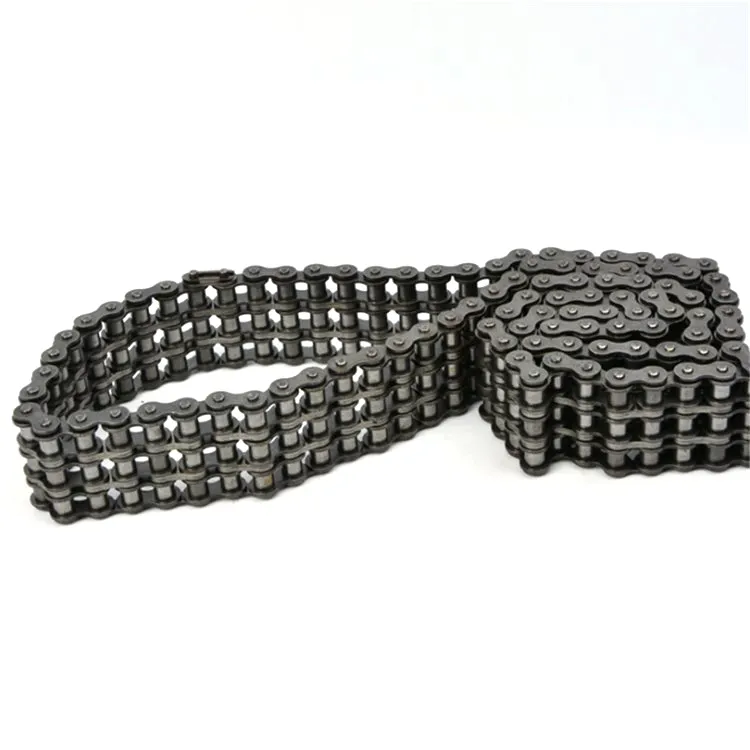
Can transmission chains be used in textile or weaving equipment?
Yes, transmission chains can be used in textile or weaving equipment. Here’s a detailed answer to the question:
Textile and weaving equipment often require reliable and efficient power transmission systems to drive various components and mechanisms. Transmission chains are well-suited for these applications due to their durability, strength, and versatility.
Transmission chains are commonly used in textile and weaving equipment for the following purposes:
1. Power Transmission: Transmission chains transfer rotational power from the motor to different components in the textile or weaving machine. They are used to drive the main shaft, loom mechanisms, take-up reels, warp beams, and other moving parts.
2. Tensioning and Positioning: In weaving machines, transmission chains are employed to maintain proper tension in the warp threads. They help in accurately positioning the warp beam and maintaining a consistent tension throughout the weaving process.
3. Shedding Mechanisms: In jacquard looms and other advanced weaving machines, transmission chains play a vital role in operating the shedding mechanisms. These mechanisms control the raising and lowering of warp threads to create patterns and designs in the fabric.
4. Yarn Feeding: Transmission chains are used to drive yarn feeding mechanisms, such as yarn carriers or yarn guides, ensuring a steady and controlled feed of yarn during the weaving process.
5. Synchronization: In complex textile machines, transmission chains are used to synchronize the movement of different machine components. This helps in achieving precise coordination between the loom mechanisms, beating-up action, weft insertion, and other critical operations.
The advantages of using transmission chains in textile or weaving equipment include:
– High durability and resistance to wear, allowing for extended service life even in demanding textile manufacturing environments.
– Ability to handle high loads and transmit power efficiently, enabling the smooth operation of various machine components.
– Versatility to accommodate different weaving techniques, loom sizes, and machine configurations.
– Availability of a wide range of chain types, sizes, and materials to suit specific application requirements.
– Easy maintenance and replacement, ensuring minimal downtime and efficient production.
Overall, transmission chains are an essential component in textile and weaving equipment, providing reliable power transmission, precise synchronization, and efficient operation. Manufacturers and designers of textile machinery often integrate transmission chains into their equipment to ensure consistent and high-quality fabric production.
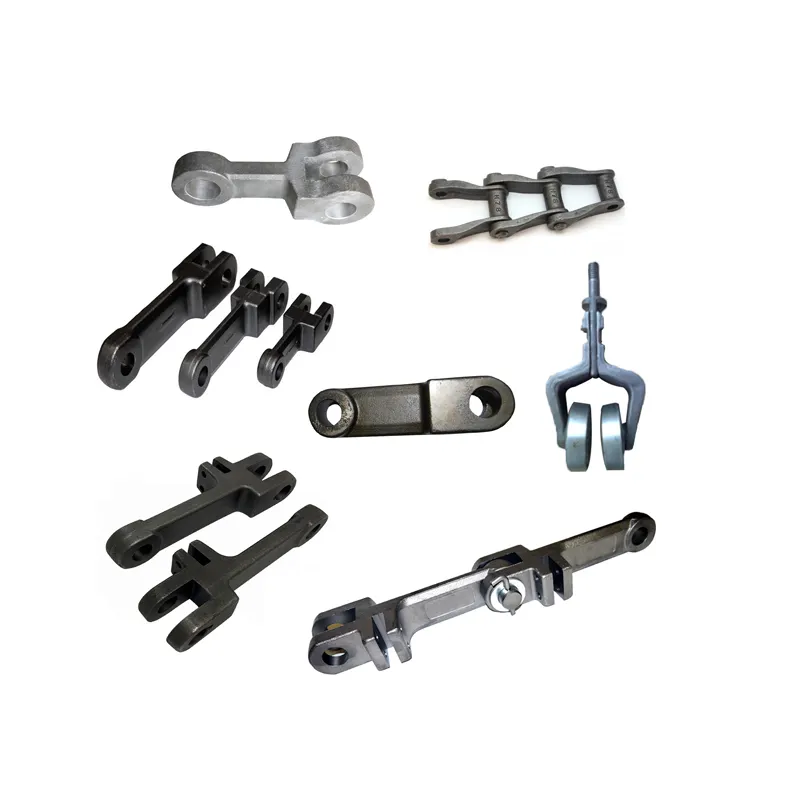
What are the benefits of using a high-strength transmission chain?
Using a high-strength transmission chain offers several advantages in various applications. Here’s a detailed answer to the question:
1. Increased Load Capacity: A high-strength transmission chain is designed to withstand higher loads and transmit greater amounts of power. It provides enhanced load-carrying capabilities, making it suitable for applications that require heavy-duty operation.
2. Improved Durability: High-strength transmission chains are constructed using high-quality materials and advanced manufacturing processes. This results in superior durability, increased resistance to wear, and improved resistance to fatigue failure. It ensures that the chain can withstand demanding operating conditions and extended service life.
3. Enhanced Safety: The use of a high-strength transmission chain enhances safety in applications where there is a high load or the potential for sudden dynamic forces. It reduces the risk of chain failure, breakage, or unexpected downtime, minimizing the chances of accidents and ensuring a reliable and secure power transmission system.
4. Compact Design: High-strength transmission chains offer a higher strength-to-size ratio, allowing for a more compact and lightweight design compared to standard chains. This can be beneficial in applications with limited space or weight restrictions.
5. Increased Efficiency: High-strength transmission chains typically have lower friction losses, resulting in improved overall system efficiency. The reduced friction ensures efficient power transfer, minimizes energy waste, and contributes to cost savings.
6. Versatile Application: High-strength transmission chains can be utilized in a wide range of industries and applications, including automotive, manufacturing, mining, construction, and more. Their versatility makes them suitable for various power transmission systems.
7. Customization Options: Manufacturers offer a range of high-strength transmission chains with different sizes, pitches, and configurations. This allows for customization based on specific application requirements, ensuring optimal performance and reliability.
When considering the use of a high-strength transmission chain, it is crucial to assess the application’s load requirements, operating conditions, and environmental factors. Consulting with a knowledgeable supplier or engineer can help in selecting the most appropriate chain for the intended application.
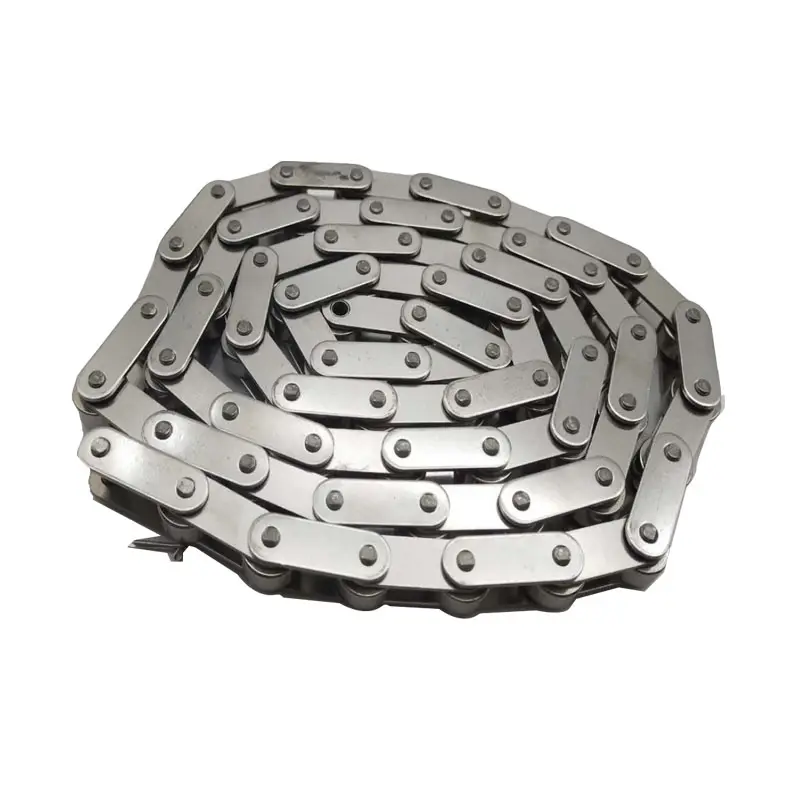
How do roller chains differ from other types of transmission chains?
Roller chains, also known as roller link chains, are a commonly used type of transmission chain that distinguishes itself from other chains in several ways:
- Design: Roller chains consist of inner and outer plates, pins, bushings, and rollers. The rollers, which are free to rotate, help reduce friction and wear, resulting in smoother and more efficient power transmission.
- Wide Application: Roller chains are versatile and widely used in various industries, including automotive, industrial machinery, agricultural equipment, and conveyor systems.
- High Load Capacity: Roller chains are designed to withstand high loads and offer excellent tensile strength, making them suitable for applications that require heavy-duty performance.
- Efficiency: Roller chains are known for their high efficiency in transmitting power. The roller design minimizes friction, resulting in less energy loss and improved overall efficiency.
- Cost-Effectiveness: Roller chains are relatively cost-effective compared to some other specialized transmission chains, making them a popular choice in many applications.
While roller chains have their advantages, it’s important to note that different types of transmission chains may be more suitable for specific applications. Factors such as load capacity, speed, noise level, and environmental conditions should be considered when selecting the appropriate transmission chain for a particular application.


editor by CX 2023-11-30