
Product Description
We specialize in the chains made to customers’ drawings and specification. Our advantage is reliable quality, competitive price, prompt delivery and good service.
Standard products include various transmission and conveyor chains, like Roller Chain, double pitch Conveyor Chain, Hollow Pin Chain, Leaf Chain, Table Top Chain, Side Bow Chain, Lumber Chain, Agriculture Chain, Silent Chain, PIV Chain, Stainless Steel Chain, Nickel/ Zinc plated Chain, Dacromet Chain, Engineering Chain, Steel Pintle Chain, Welded steel chain, Forged chain, Malleable Iron chain, and many other types. Different kinds of attachment are available.
Product Description
Specifications:
1) Attachments on 1 side
2) Attachments on inner plates
3) Attachments on outer plates
4) Attachments on both sides
5) Straight attachments
6) Crank attachments
7) Pin attachments
8) Other special attachments
Transmission chain is famous for its high strength and continuous antifatigue; The chain dimensions fully meet the standards of ANSI and BS.
According to varied working conditions, it may choose the chain with different coating treatment, such as zinc plating, nickel plating, chromeplating and dacromet plating ec
Product Description
|
25-1 to 240-1 |
We supply varied kinds of roller chains, conveyor chains, transmission chains and agricultural chains etc. According drawings.
Features:
1) A series chains:
A) Simplex: 25-1 – 240-1
B) Duplex: 25-2 – 240-2
C) Triplex: 25-3 – 240-3
2) B series chains:
A) Simplex: 04B-1 – 72B-1
B) Duplex: 05B-2 – 72B-2
C) Triplex: 05B-3 – 72B-3
3) Materials: Stainless steel or carbon steel
4) Other chains available: Heavy-duty series roller chains, cottered type short pitch precision roller chains (A series), heavy duty series cottered type roller chains, other simplex roller chains, zinc plated chains, dacromet plated chains, nickel plated chains, anti-side bow chains, side bow chains for pushing windows, side bow chains, side bow chains, self-lubrication roller chains, silent chains, self-tooth forming chains (P. I. V. Chains), heavy-duty cranked-link transmission chains, steel chains for sewage disposal, oil field chains, coupling chains, motorcycle chains, O-ring motorcycle chains, engine mechanism chain (timing chains), double pitch transmission chains and double pitch transmission chain attachments.
/* January 22, 2571 19:08:37 */!function(){function s(e,r){var a,o={};try{e&&e.split(“,”).forEach(function(e,t){e&&(a=e.match(/(.*?):(.*)$/))&&1
| Material: | Stainless Steel |
|---|---|
| Structure: | Roller Chain |
| Surface Treatment: | Polishing |
| Chain Size: | 1/2"*11/128" |
| Feature: | Antirust, Anticorrosion |
| Structure(for Chain): | Roller Chain |
| Customization: |
Available
| Customized Request |
|---|
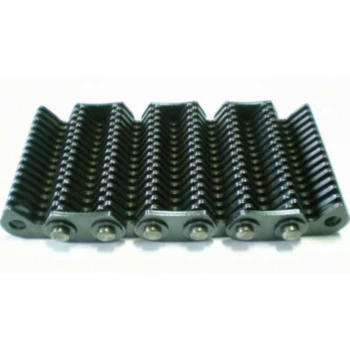
Can a drive chain be used in a packaging or bottling application?
Yes, a drive chain can be used in packaging or bottling applications where reliable and efficient power transmission is required. Here is a detailed explanation:
In packaging and bottling processes, various types of equipment are utilized, such as conveyor systems, fillers, cappers, labelers, and palletizers. Drive chains offer several advantages in these applications:
- Accurate Power Transmission: Drive chains provide precise power transmission, ensuring the synchronized movement and precise positioning of the packaging and bottling equipment. This allows for reliable and efficient production processes, smooth material flow, and precise control over the packaging operations.
- High Load Capacity: Drive chains are designed to handle heavy loads and transmit power in packaging and bottling equipment. They can effectively transmit power to drive mechanisms involved in conveyor systems, rotary tables, or indexing units, allowing for efficient movement and handling of packaged goods or bottles.
- Robustness and Durability: Packaging and bottling environments can be demanding, with high production rates, repetitive movements, and exposure to moisture, dust, or other contaminants. Drive chains are designed to withstand these conditions, providing durability, resistance to wear, and long service life even in high-demand applications.
- Flexibility and Adaptability: Drive chains offer flexibility and adaptability in designing and configuring packaging and bottling equipment. They can be easily integrated into different types of conveyors, indexing systems, or rotary machines, allowing for efficient material handling, product orientation, and packaging customization.
- High-Speed Capability: Drive chains can accommodate high-speed operation in packaging and bottling applications. They are designed to provide reliable power transmission even at high rotational speeds, ensuring efficient production rates and meeting the demands of fast-paced packaging lines.
- Cost-Effectiveness: Drive chains offer a cost-effective solution for power transmission in packaging and bottling applications. They have a long service life, reduced maintenance requirements, and lower replacement costs compared to some alternative power transmission systems.
It is important to consider the specific requirements of the packaging or bottling application when selecting a drive chain. Factors such as load capacity, speed, environmental conditions, and maintenance considerations should be taken into account.
Regular maintenance, including inspection, lubrication, and tension adjustment, is crucial to ensure optimal performance and longevity of the drive chain in packaging and bottling applications.
By utilizing drive chains in packaging and bottling processes, operators can benefit from accurate power transmission, high load capacity, durability, flexibility, high-speed capability, and cost-effectiveness, contributing to efficient and reliable packaging operations.
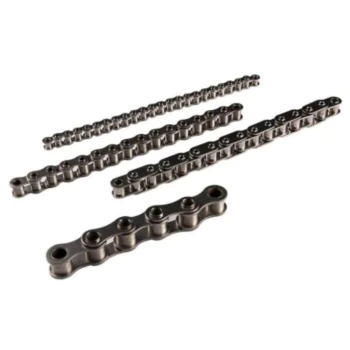
What are the benefits of using a silent drive chain?
Using a silent drive chain, also known as a noise-reduced or low-noise chain, offers several benefits compared to standard drive chains. Here is a detailed explanation of the benefits of using a silent drive chain:
- Noise Reduction: The primary benefit of a silent drive chain is its ability to reduce noise during operation. Silent chains are designed with specialized features that minimize vibration and noise generation, resulting in quieter operation compared to standard chains. This is particularly advantageous in applications where noise reduction is critical, such as in residential areas, offices, or noise-sensitive environments.
- Smooth Operation: Silent drive chains are engineered to provide smoother operation with reduced friction and vibration. This results in improved overall system performance, reduced wear on components, and enhanced efficiency.
- Improved Performance: By reducing noise, vibration, and chain backlash, silent drive chains can help improve the performance and accuracy of the driven system. They minimize the risk of unwanted oscillations or inaccuracies, ensuring precise and reliable power transmission.
- Extended Service Life: The reduced friction and vibration in a silent drive chain contribute to less wear and stress on the chain and associated components. This can result in an extended service life compared to standard chains, reducing the frequency of replacements and maintenance requirements.
- High-Speed Capability: Silent drive chains are designed to operate at high speeds without compromising performance or generating excessive noise. This makes them suitable for applications that require high-speed power transmission, such as machinery, conveyors, or automation systems.
- Reliability: Silent drive chains maintain the same reliability and durability as standard chains. They are designed to withstand demanding operating conditions, provide high load-carrying capacity, and resist wear, fatigue, and corrosion.
The use of silent drive chains is particularly beneficial in applications where noise reduction, smooth operation, precise control, and extended service life are important considerations. It is important to select the appropriate silent chain type, size, and material based on the specific application requirements for optimal performance and noise reduction.
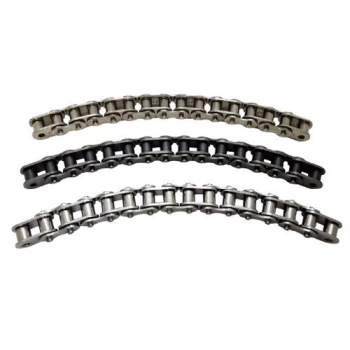
Are there different standards or certifications for drive chains?
Yes, there are different standards and certifications that apply to drive chains to ensure their quality, performance, and compatibility with specific industries or applications. Here’s an explanation:
Drive chains may adhere to various standards and certifications, depending on the region and specific requirements. Some common standards and certifications for drive chains include:
- 1. ISO Standards: The International Organization for Standardization (ISO) has developed several standards related to drive chains. ISO 606 specifies the dimensions and mechanical requirements for roller chains, while ISO 10823 provides guidelines for determining the fatigue strength of roller chains.
- 2. ANSI Standards: The American National Standards Institute (ANSI) has established standards for drive chains, such as ANSI B29.1 for roller chains and ANSI B29.2 for double pitch roller chains. These standards cover dimensions, design, and performance requirements for various types and sizes of chains.
- 3. DIN Standards: The Deutsches Institut für Normung (DIN) has developed standards for drive chains commonly used in Germany and European markets. DIN 8187 covers roller chains, while DIN 8181 specifies leaf chains.
- 4. JIS Standards: The Japanese Industrial Standards (JIS) have their own set of standards for drive chains. JIS B1801 covers roller chains, JIS B1802 specifies leaf chains, and JIS B1803 provides guidelines for silent chains.
- 5. Industry-Specific Standards: Certain industries, such as automotive or agricultural, may have specific standards or certifications for drive chains. For example, the Automotive Industry Action Group (AIAG) in the automotive sector may have guidelines or requirements for drive chains used in automobiles.
When selecting a drive chain, it is important to consider the relevant standards and certifications that apply to your industry or application. Adhering to these standards ensures that the drive chain meets the required quality, performance, and safety standards for the intended use.


editor by CX 2024-04-23