Product Description
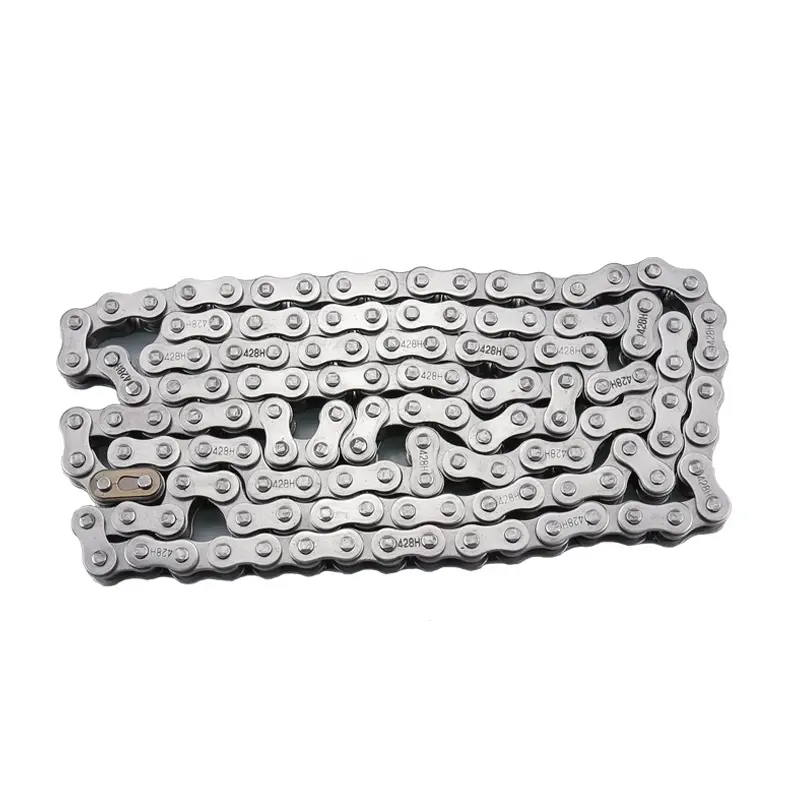
Stainless Steel Chain
Strength:
1. For Free Samples
2. Prompt Delivery
3. Green Product
4. International Approvals
5. Experienced Staff
Catalogue
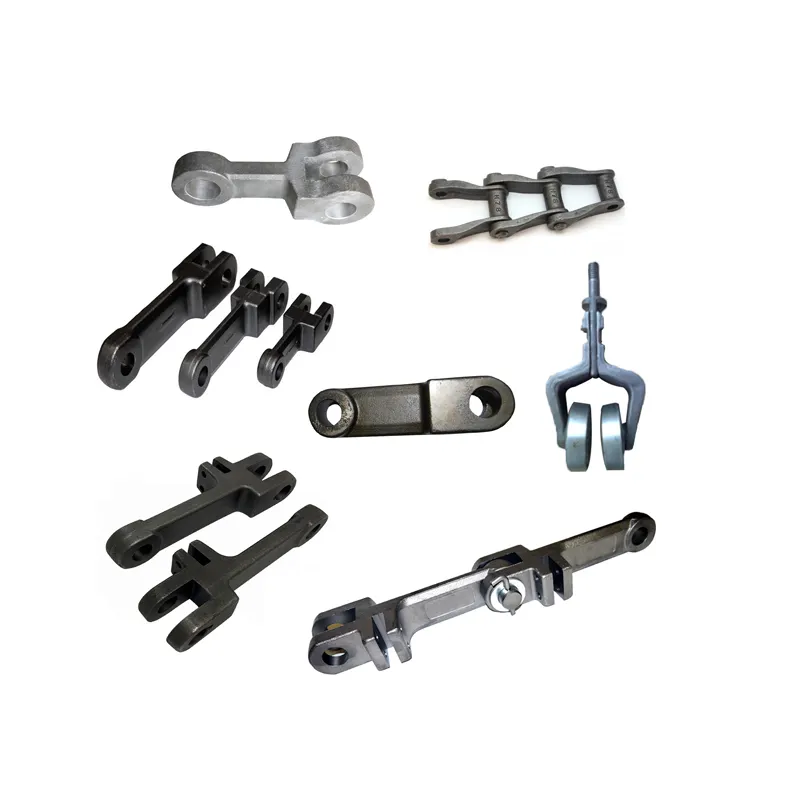
1. Stainless steel roller chains
2. Short pitch stainless steel conveyor chain with attachments
3. Double pitch stainless steel conveyor chains
4. Double pitch stainless steel conveyor chain with attachments
5. Stainless steel hollow pin chains
Why Choose Us?
1. HangZhou Xihu (West Lake) Dis.hua Chain Group Co., Ltd established in 1991, we have 5 subsidiaries in China and have 6 subsidiaries abroad;
2. We covering a production area of 200, 100 square meters, have more than 1, 800 sets of advanced equipment and over 3, 100 highly skilled employees, the annual production capacity has exceeded 20, 000, 000meters;
3. We specialized in producing all kinds of standard chains and special chains, such as A or B series chains, driving chains, conveyor chains, dragging chains, agricultural chains and so on;
4. We have obtained ISO9001, ISO14001, ISO16969, AAA and API certificates.
We look CHINAMFG to receiving your enquires soon.
/* March 10, 2571 17:59:20 */!function(){function s(e,r){var a,o={};try{e&&e.split(“,”).forEach(function(e,t){e&&(a=e.match(/(.*?):(.*)$/))&&1
| Usage: | Transmission Chain |
|---|---|
| Material: | Stainless steel |
| Surface Treatment: | Polishing |
| Feature: | Heat Resistant |
| Chain Size: | 1/2"*3/32" |
| Structure: | Roller Chain |
| Customization: |
Available
| Customized Request |
|---|
Can transmission chains be used in printing or packaging machinery?
Yes, transmission chains can be used in printing and packaging machinery. Here’s a detailed answer to the question:
Printing and packaging machinery often require precise and reliable power transmission to drive various components such as conveyors, rollers, and printing plates. Transmission chains are well-suited for these applications due to their robustness, durability, and ability to handle high loads.
Benefits of using transmission chains in printing and packaging machinery include:
1. High Load Capacity: Transmission chains are capable of handling heavy loads, making them suitable for driving equipment such as printing cylinders, conveyor belts, and packaging rollers.
2. Precise Motion Control: Printing and packaging machinery often require precise motion control to achieve accurate printing, cutting, and folding processes. Transmission chains offer excellent positional accuracy, ensuring reliable and repeatable movement of components.
3. Reliability: Transmission chains are designed to withstand the demanding operating conditions typically encountered in printing and packaging machinery. They offer high resistance to wear, fatigue, and shock loads, providing reliable performance even in high-speed applications.
4. Versatility: Transmission chains are available in various sizes, pitches, and configurations, allowing for flexibility in adapting to different printing and packaging machine designs and requirements.
5. Easy Maintenance: Transmission chains are relatively easy to maintain. Regular lubrication and periodic inspections can help ensure optimal performance and prolong chain life.
When using transmission chains in printing and packaging machinery, it’s important to select the appropriate chain type, pitch, and material based on the specific application requirements. Regular maintenance, including lubrication and tension adjustment, should be performed to optimize chain performance and prevent premature wear or failure.
How does the alignment of sprockets affect the lifespan of a transmission chain?
The alignment of sprockets plays a crucial role in the lifespan and performance of a transmission chain. Here’s a detailed answer to the question:
1. Proper Load Distribution: When the sprockets are aligned correctly, the transmission chain is able to evenly distribute the load along its length. This ensures that the chain experiences uniform stress and minimizes the concentration of forces on specific chain links. Improper alignment can result in uneven load distribution, leading to accelerated wear and fatigue of the chain.
2. Reduced Friction and Wear: Proper alignment helps maintain the correct engagement between the chain and the sprockets. When the chain engages smoothly with the sprockets, friction and wear are minimized. On the other hand, misaligned sprockets can cause the chain to rub against the teeth or sides of the sprockets, leading to increased friction, wear, and potential chain failure.
3. Chain Tension: Sprocket alignment also affects the tension of the transmission chain. Proper alignment ensures that the chain remains properly tensioned throughout its operation. Excessive tension due to misalignment can lead to increased stress on the chain, resulting in accelerated wear, fatigue, and potential chain breakage. Insufficient tension can cause the chain to skip or disengage from the sprockets.
4. Smooth and Efficient Operation: When the sprockets are aligned correctly, the transmission chain experiences smooth and efficient operation. This allows for smooth power transfer, reduced vibration, and noise levels, and improved overall system performance. Misaligned sprockets can cause the chain to bind, jump, or produce excessive noise, leading to decreased efficiency and potential damage to the chain and sprockets.
5. Extended Chain Life: Proper sprocket alignment helps to extend the lifespan of the transmission chain. By ensuring that the chain operates within its design parameters and experiences minimal stress and wear, the risk of premature failure is reduced. This leads to longer chain life, reduced maintenance requirements, and lower overall operating costs.
It’s important to regularly inspect and maintain the alignment of sprockets in a transmission chain system. Proper installation, periodic alignment checks, and adjustment when necessary are essential for maximizing the lifespan and performance of the transmission chain.

What are the common industries or applications that use transmission chains?
Transmission chains are widely used in various industries and applications where the efficient transfer of power and motion is required. Here are some common industries and applications that rely on transmission chains:
- Automotive: Transmission chains are used in automobile engines and drivetrains to transfer power from the engine to the wheels.
- Agriculture: Transmission chains are utilized in agricultural machinery such as tractors, combines, and harvesters for power transmission in various applications like conveyor systems and agricultural equipment.
- Industrial Manufacturing: Transmission chains are found in a wide range of industrial machinery, including conveyors, material handling systems, packaging equipment, printing presses, and machine tools.
- Mining and Construction: Transmission chains are used in heavy machinery, such as excavators, bulldozers, and mining equipment, to transmit power for digging, lifting, and other operations.
- Food and Beverage: Transmission chains are employed in food processing equipment, bottling plants, and conveyor systems to move products along production lines.
- Textile: Transmission chains are utilized in textile manufacturing machinery, such as looms and spinning machines, for power transmission during the weaving and spinning processes.
- Energy and Utilities: Transmission chains are used in power generation plants, wind turbines, and other renewable energy systems for transmitting power from the source to the electrical grid.
- Material Handling: Transmission chains are commonly used in material handling equipment, including forklifts, palletizers, and automated storage systems, to transport and handle goods in warehouses and distribution centers.
- Marine: Transmission chains find applications in marine vessels, such as ship propulsion systems, anchor handling equipment, and winches for cargo handling.
These are just a few examples, and transmission chains are also utilized in various other industries and applications where reliable power transmission is essential. The specific design and characteristics of the transmission chains may vary based on the requirements of each industry and application.


editor by CX 2023-12-21