Product Description
Chian Agricultural Chains Roller Transmission Chains and Sprockets
Agricultural Chains includs following chain:
S type Steel Agricultural Chains:
S32 S32 S42 S45 S51 S52L S52LV S52 55V 55VF1 S55 S55R 5SSRH S55RHF1 S62 S62F5 S77 S88 CA642 CA650 CA650F2 S42F2 S52F10 S62F10 S62F8 CA650F4 CA620F4 55VF1H2 CA650F1
S type Steel Agricultural Chains with Attachments:
S32SK1 S42SK1 S45SK1 S52SK1 S55SK1 S77SK1 S88SK1 S32SK1F1 S55RHSK1 S52LK1 55VK1 S42F2K1F1 S52LF1K1 S32K1 S32K1F1 S42K1 S45K1 S51K1 S52K1F1 S55K1 S55K1F1 S55K1 S55K1F1 S55HK1 S62K1 S62A2K1 S62F2K1 S77K1 S88K1 S51HF1K1 S88F2K1 S42A1F2 S42F2A1 S88F3K1 S62F12K1 S62SD S51SDF1 S52SDF1 S52SDF2 S52SD S52F4 S52F9 S52LSD S52LF1SD S52LF2SD S52F12SD S52LVSD S45F1 S45SDF2 S45W-F1 S45W-F4 S45SD S55F2 S55F3 S55F4 S55F6 S55F7 S55RSDF1 55VSDF1 55VSDF2 55VSDF4 S55DF2 S5
5SDF4 S62SD S45V S45SDF1 S55V S55SDF1 S45SDF3 S55HSDF3 S55F12SD S52F11SD S52F3 C45F1SD etc.
A Type Steel Agricultural Cahins:
A550 A555 A557 A620
CA Type Steel Agricultural Chains
CA627 CA550D CA555D CA557D CA620D CA2062H CA550 CA550V CA555 CA557 CA620 CA2060H CA550F4 CA550F5 CAE44151 38.4R 38.4V 38.4VB 55VD S62F3 CA960 CA550VF2 CA550H
C Type Steel Agricultural Chain attachments
38.4VK1 38.4RK1F1 38.4VF3K1 38.4RK1F2 CA550F2 CA550K1F1 CA550VK1F CA550VK1F1 CA550F4K19 CA550AK29M CA550K1F7 CA550A29 CA550VF2K1 CA550F5AK29M CA550F5K29F1 CA550F5K1 CA557K1F2 38.4RK1F3 38.4RK1F3 38.4RK1F7 38.4VK1F9 38.4VK1F6 38.4VK1F7 38.4RK1F8 38.4RK1F8 38.4RK1F9 38.4RK1F10 38.4VF3K1F2 CA550K1F15 etc.
| Product name | Chain(DIN766) Agricultural Chains |
| Materials Available | 1. Stainless Steel: SS201, SS303, SS304, SS316, SS416, SS420 |
| 2. Steel:C45(K1045), C46(K1046),C20 | |
| 3. Brass:C36000 ( C26800), C37700 ( HPb59), C38500( HPb58), C27200(CuZn37), C28000(CuZn40) | |
| 4. Bronze: C51000, C52100, C54400, etc | |
| 5. Iron: 1213, 12L14,1215 | |
| 6. Aluminum: Al6061, Al6063 | |
| 7.OEM according to your request | |
| Surface Treatment | Annealing, natural anodization, heat treatment, polishing, nickel plating, chrome plating, znic plating,yellow passivation, gold passivation, satin, Black surface painted etc. |
| Products Available | sprockt chains, pulley, shafts(axles, spline shafts, dart shafts),gears (pinions, wheels gear rack) bearing, bearing seat, bushing, coupling, lock assembly etc. |
| Processing Method | CNC machining, punch,turning, milling, drilling, grinding, broaching, welding and assembly |
| QC : | Technicians self-check in production,final-check before package by professional Quality inspector |
| Size | Drawings |
| Package | Wooden Case/Container and pallet, or as per customized specifications |
| Certificate | ISO9001:2008 , ISO14001:2001,ISO/TS 16949:2009 |
| Advantage | Quality first Service superior , Advanced equipment,Experienced workers,Perfect testing equipment |
| Lead Time | 15-25days samples. 30-45days offcial order |
1.What terms of payment you usually use?
T/T 30% deposit and 70% against document, Western Union, L/C at sight
2. what is your lead time for your goods?
Normally 45 days after confirmed order. 30 days could be available in low season for some items (during May to July), and 65 days during new year and hot season ( Jan to March).
3. Do you attend any Show?
We attend Hannover show in Germany, NMW in Austrilia, Canton fair, PTC, in China and many other special furniture shows.
/* January 22, 2571 19:08:37 */!function(){function s(e,r){var a,o={};try{e&&e.split(“,”).forEach(function(e,t){e&&(a=e.match(/(.*?):(.*)$/))&&1
| Usage: | Transmission Chain |
|---|---|
| Material: | Alloy/Carbon Steel |
| Surface Treatment: | Custom Made |
| Feature: | Heat Resistant |
| Chain Size: | Custom Made |
| Structure: | Custom Made |
| Customization: |
Available
| Customized Request |
|---|
Compatibility of Chain Sprockets with Wheels
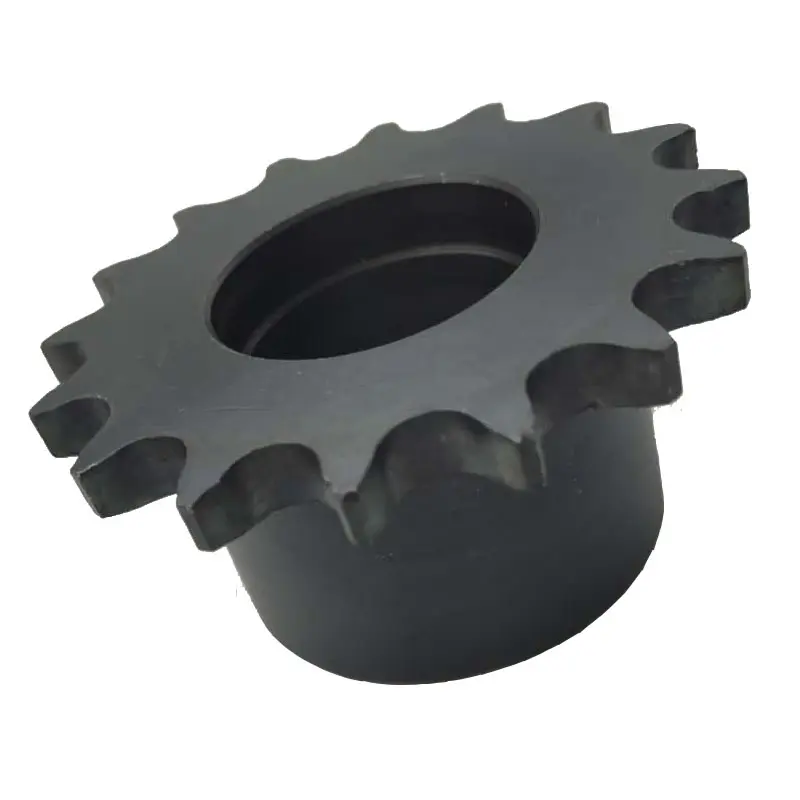
In general, chain sprockets are designed to work with specific types of wheels, and there are certain requirements for ensuring proper compatibility:
- Chain Size and Pitch: The chain sprocket must match the size and pitch of the chain it is intended to work with. For example, if you have a roller chain with a pitch of 0.625 inches, you need a sprocket with the same pitch to ensure a proper fit.
- Number of Teeth: The number of teeth on the sprocket should be compatible with the number of chain links. The chain should mesh smoothly with the sprocket without any binding or skipping.
- Tooth Profile: The tooth profile of the sprocket should match the shape of the chain’s rollers to ensure smooth engagement and minimize wear.
- Shaft Size: The center hole (bore) of the sprocket should match the diameter of the shaft it will be mounted on. Using the correct shaft size ensures a secure fit and prevents wobbling.
- Hub Configuration: Some sprockets have hubs, which are extensions on either side of the sprocket. The hub’s length and configuration should match the requirements of the specific application.
- Material and Strength: Consider the material and strength of the sprocket based on the application’s load and environmental conditions. Heavy-duty applications may require sprockets made of robust materials to withstand the forces and stresses.
It’s crucial to follow the manufacturer’s specifications and guidelines when selecting a chain sprocket for a particular wheel. Mixing incompatible sprockets and wheels can result in premature wear, inefficiencies, and potential safety hazards. If you are unsure about the compatibility, consult with the manufacturer or a knowledgeable expert to ensure you choose the right sprocket for your specific application.
Inspecting a wheel sprocket for Wear and Tear
Regular inspection of the wheel sprocket is essential to ensure their proper functioning and to identify any signs of wear and tear. Here are the steps to inspect a wheel sprocket:
- Visual Inspection: Start by visually examining the wheel sprocket for any visible signs of wear, damage, or deformation. Look for cracks, chips, dents, or any irregularities on the surface of both components.
- Check for Misalignment: Verify that the wheel sprocket are properly aligned with each other. Misalignment can lead to accelerated wear and affect the overall performance of the system.
- Measure Wear: Use calipers or a wear gauge to measure the sprocket’s tooth profile and the wheel’s rolling surface. Compare these measurements with the original specifications to determine if significant wear has occurred.
- Inspect Teeth and Chain Engagement: If the wheel sprocket are part of a chain drive system, closely examine the sprocket teeth and chain engagement. Worn or elongated teeth can cause poor chain engagement and lead to premature failure.
- Lubrication: Check the lubrication of the wheel sprocket. Insufficient or excessive lubrication can cause increased friction, leading to wear and reduced efficiency.
- Bearing Condition: If the wheel is mounted on a shaft with bearings, inspect the bearings for any signs of wear, noise, or rough movement. Properly functioning bearings are crucial for the smooth operation of the system.
- Inspect Mounting Hardware: Ensure that all nuts, bolts, and other mounting hardware are securely tightened. Loose fasteners can cause vibration and misalignment issues.
- Check for Contaminants: Remove any debris, dirt, or foreign particles that may have accumulated on the wheel or sprocket. Contaminants can accelerate wear and damage the components.
- Replacement or Maintenance: Based on the inspection results, determine if any parts need replacement or if maintenance is required. Address any issues promptly to prevent further damage and maintain the system’s performance.
Regularly scheduled inspections and maintenance can help prolong the lifespan of the wheel sprocket assembly, optimize performance, and ensure the safety of the mechanical system.
Can a wheel sprocket System be Used in Bicycles and Other Vehicles?
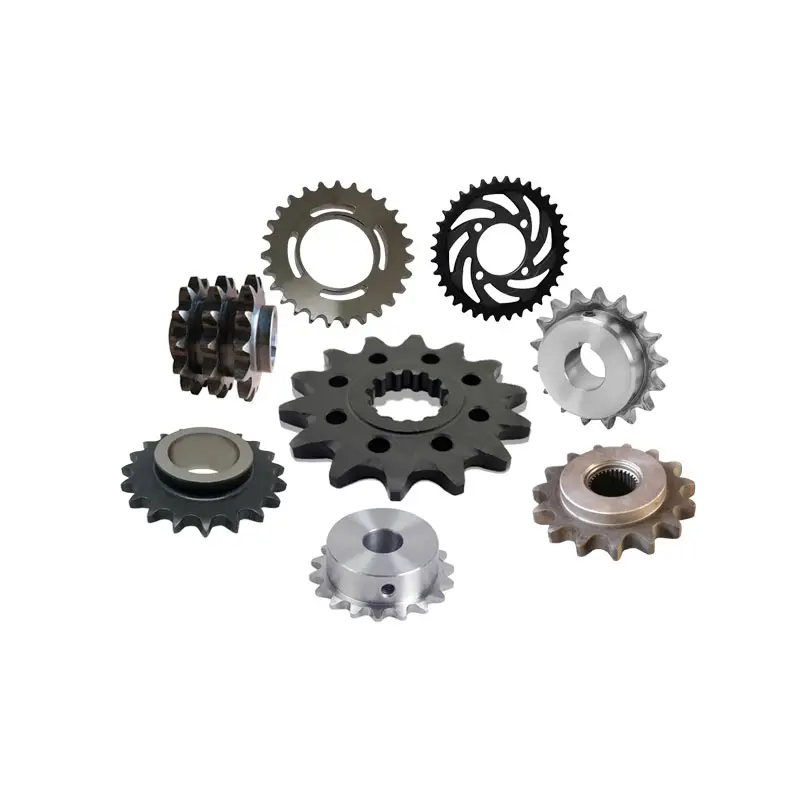
Yes, a wheel sprocket system is commonly used in bicycles and various other vehicles. In bicycles, the wheel sprocket system is a fundamental part of the drivetrain, which transfers power from the rider’s legs to the wheels, propelling the bicycle forward.
The typical bicycle drivetrain consists of a chain, front sprockets (chainrings), rear sprockets (cassette), and the bicycle’s wheels. When the rider pedals the bicycle, the chain engages with the sprockets, and as a result, the rotational motion from the pedaling is transferred to the rear wheel.
The selection of sprocket sizes (number of teeth on chainrings and cassette) can affect the gear ratio, allowing cyclists to adjust their pedaling effort and speed to suit different terrains and riding conditions. Smaller sprockets provide easier pedaling for climbing steep hills, while larger sprockets offer higher speeds on flat or downhill sections.
Beyond bicycles, the wheel sprocket system is widely used in various other vehicles and machinery to transmit power and control speed. It can be found in motorcycles, mopeds, electric scooters, and even some small electric vehicles. Additionally, the wheel sprocket system is prevalent in industrial machinery, where precise speed control and torque transmission are essential.
The efficiency and reliability of the wheel sprocket system make it a versatile and practical choice for many vehicles and mechanical applications.


editor by CX 2024-03-13