Product Description
1, production technology: Sand casting, die casting. Machining,forging,stamping, welding,injection molding,assembelyp
2,Material: Aluminum,brass,stainless steel, carbon steel, grey iron,plastic ,rubber,
3, single process, high precision, little surface roughness,
4, customized, we produce the parts according to drawings or samples,
5, we will inspect the parts strictly and provide material and inspection report.
Packing and Shipping
1. Standard: crate
2. Delivery: As per contract delivery on time
3. Shipping: As per client request.
Our advantages
1.We can control the products to meet your strict requirement.
2. Different kinds of finish available, like anodized, power coating, painting, polishing, electrophoresis, plating. Etc.
3. Different dimensions according to the requirements
4. Can provide various sizes and packing according to specific requirements
5. We offer the engineer consultation to your design for production improvement and cost saving
Our Service:
1.Your inquiry related to our products or prices will be replied in 24 hours.
2.Individual formula according to customers’ special drawing requests.
3.Manufacturer with large capacity,ensures the fast production cycle after
confirming the order.
4.Protection of sales area and private information for all of our customers.
| Standard Or Nonstandard: | Nonstandard |
|---|---|
| Application: | Motor, Electric Cars, Motorcycle, Machinery, Marine, Agricultural Machinery, Car |
| Hardness: | Hardened Tooth Surface |
| Manufacturing Method: | Rolling Gear |
| Toothed Portion Shape: | Spur Gear |
| Material: | Stainless Steel |
| Samples: |
US$ 5/Piece
1 Piece(Min.Order) | |
|---|
| Customization: |
Available
| Customized Request |
|---|
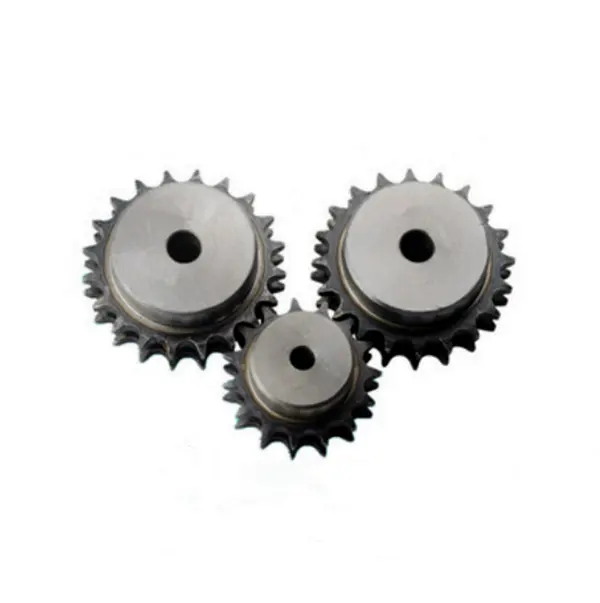
Ensuring Proper Alignment between a Wheel and its Corresponding Sprocket
Proper alignment between a wheel and its corresponding sprocket is crucial for the smooth and efficient operation of the wheel sprocket system. Misalignment can lead to increased wear, noise, and reduced performance. Here are some steps to ensure proper alignment:
- Use Precision Components: Ensure that both the wheel sprocket are high-quality, precision-manufactured components that meet the required specifications. Using well-machined components will aid in achieving better alignment.
- Check Axle Alignment: Make sure the axle or shaft on which the wheel sprocket are mounted is straight and properly aligned. Any misalignment in the axle can lead to misalignment of the wheel sprocket.
- Proper Mounting: Ensure that the wheel sprocket are securely and correctly mounted on the axle or shaft. Use appropriate fasteners and tightening techniques to prevent any movement or shifting during operation.
- Check for Parallelism: The axes of the wheel sprocket should be parallel to each other. Measure the distance between the axes at multiple points to verify parallel alignment.
- Use Alignment Tools: Alignment tools, such as laser alignment systems, can be employed to accurately align the wheel sprocket. These tools can help identify and correct misalignments effectively.
- Check Tension and Tensioner Alignment: If a tensioner is used in the system, ensure that it is properly aligned and applying the right tension to the chain or belt. Incorrect tension can cause misalignment.
- Regular Maintenance: Implement a regular maintenance schedule to check and adjust alignment as needed. Regular inspections can help identify and address alignment issues before they cause significant problems.
- Monitor Performance: Keep an eye on the performance of the wheel sprocket system. Unusual noises, vibrations, or signs of wear can indicate misalignment and should be investigated promptly.
Proper alignment is essential for the long-term performance and reliability of the wheel sprocket system. By following these steps and conducting regular maintenance, you can ensure that the wheel sprocket work together harmoniously, providing efficient power transmission and minimizing wear and tear.
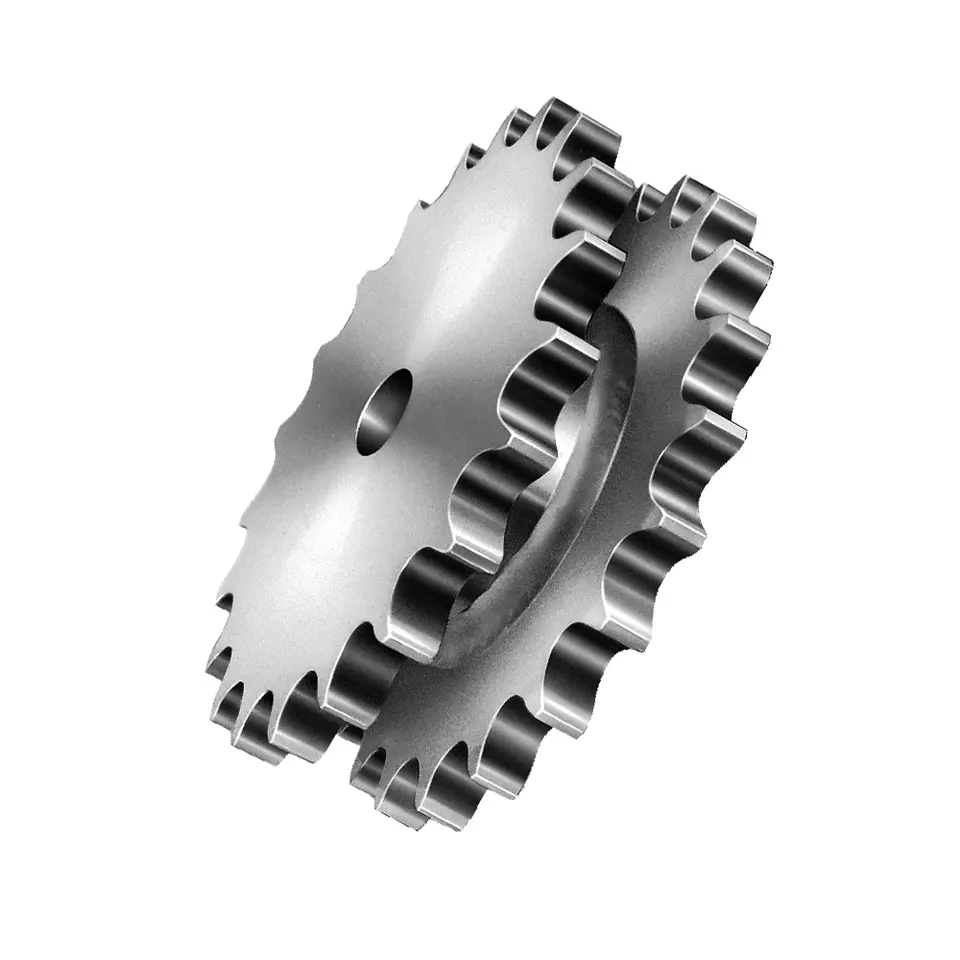
Temperature Limits for wheel sprocket System’s Operation
The temperature limits for a wheel sprocket system’s operation depend on the materials used in the construction of the components. Different materials have varying temperature tolerances, and exceeding these limits can lead to reduced performance, premature wear, and even system failure.
Here are some common materials used in wheel sprocket systems and their general temperature limits:
- Steel: Steel sprockets and wheels, which are widely used in many applications, typically have a temperature limit ranging from -40°C to 500°C (-40°F to 932°F). However, the specific temperature range may vary based on the grade of steel and any coatings or treatments applied.
- Stainless Steel: Stainless steel sprockets and wheels offer improved corrosion resistance and can withstand higher temperatures than regular steel. Their temperature limit is typically between -100°C to 600°C (-148°F to 1112°F).
- Plastics: Plastic sprockets and wheels are commonly used in low-load and low-speed applications. The temperature limit for plastic components varies widely depending on the type of plastic used. In general, it can range from -40°C to 150°C (-40°F to 302°F).
- Aluminum: Aluminum sprockets and wheels have a temperature limit of approximately -40°C to 250°C (-40°F to 482°F). They are often used in applications where weight reduction is critical.
It’s essential to consult the manufacturer’s specifications and material data sheets for the specific components used in the wheel sprocket system to determine their temperature limits accurately. Factors such as load, speed, and environmental conditions can also influence the actual temperature tolerance of the system.
When operating a wheel sprocket system near its temperature limits, regular monitoring and maintenance are necessary to ensure the components’ integrity and overall system performance. If the application involves extreme temperatures beyond the typical limits of the materials, specialized high-temperature materials or cooling measures may be required to maintain reliable operation.

Choosing the Right Size of Sprocket to Match a Wheel
Choosing the correct size of sprocket to match a wheel is essential for ensuring efficient power transmission and proper functionality of a mechanical system. Here are the steps to help you choose the right size of sprocket:
1. Determine the Pitch Diameter of the Wheel:
Measure the diameter of the wheel from the center to the point where the teeth of the sprocket will engage with the wheel. This measurement is known as the pitch diameter of the wheel.
2. Identify the Desired Gear Ratio:
Determine the gear ratio you want to achieve for your application. The gear ratio is the ratio of the number of teeth on the sprocket to the number of teeth on the wheel and determines the speed and torque output.
3. Calculate the Number of Teeth on the Sprocket:
Once you have the pitch diameter of the wheel and the desired gear ratio, you can calculate the number of teeth on the sprocket using the formula:
Number of Teeth on Sprocket = (Desired Gear Ratio) * (Number of Teeth on Wheel)
4. Select a Standard Sprocket Size:
Based on the calculated number of teeth on the sprocket, choose a standard sprocket size that comes closest to the calculated value. Sprockets are available in various tooth counts, and you may need to choose the nearest size available.
5. Consider Chain Compatibility:
If you are using a chain drive system, ensure that the selected sprocket is compatible with the chain you plan to use. The chain pitch (distance between the centers of adjacent roller pins) should match the pitch of the sprocket.
6. Verify Center Distance:
Check that the center distance between the wheel and the sprocket is appropriate for your application. The center distance is the distance between the centers of the wheel and the sprocket and should be set to achieve the desired tension and alignment of the chain or belt.
7. Consider the Material and Tooth Profile:
Select a sprocket material suitable for your application, such as steel, stainless steel, or plastic, based on factors like load, environment, and operating conditions. Additionally, consider the tooth profile (standard or custom) to ensure smooth engagement with the chain or belt.
By following these steps and considering the specific requirements of your machinery and mechanical system, you can choose the right size of sprocket to match your wheel and achieve optimal performance and longevity of the system.


editor by CX 2023-09-23