
Product Description
Specification OF Roller Chain —Speedway:
We developed and produced many tractor spare parts for European/Jananese Tractors .
Tractor Model we can supply: B1500/1400,B5000,B6000, B7000, TU1400, TX1400, TX1500, YM F1401, YM1400 ETC.
The parts for example: Gearboxes, Tyres, rim Jante, Kit coupling KB-TX 3 point linkage. Exhaust pipe Steering wheel. Kit coupling YM F14/F15, gear shaft, PTO shaft, PTO cardan, key, regulator ect.
Most of the spare parts are with stock. If you are interested in, please feel easy to contact me.
Other relevant parts for cars or machinery we have made in our workshop are as follows:
Drive shaft parts and assemblies,
PTO GEARBOX,
Universal joint parts and assemblies,
PTO drive shafts,
Spline shafts,
Slip yokes,
Weld yokes,
Flange yokes,
Steering columns,
Connecting rods,
etc.
Product Description
Item:
Company Profile
Certifications
FAQ
/* March 10, 2571 17:59:20 */!function(){function s(e,r){var a,o={};try{e&&e.split(“,”).forEach(function(e,t){e&&(a=e.match(/(.*?):(.*)$/))&&1
| Standard or Nonstandard: | Standard |
|---|---|
| Application: | Agricultural Machinery |
| Surface Treatment: | Chrome Plating |
| Structure: | Roller Chain |
| Material: | Alloy Steel,High Carbon Steel,40mn,40cr |
| Type: | Short Pitch Chain |
| Samples: |
US$ 100/Piece
1 Piece(Min.Order) | |
|---|
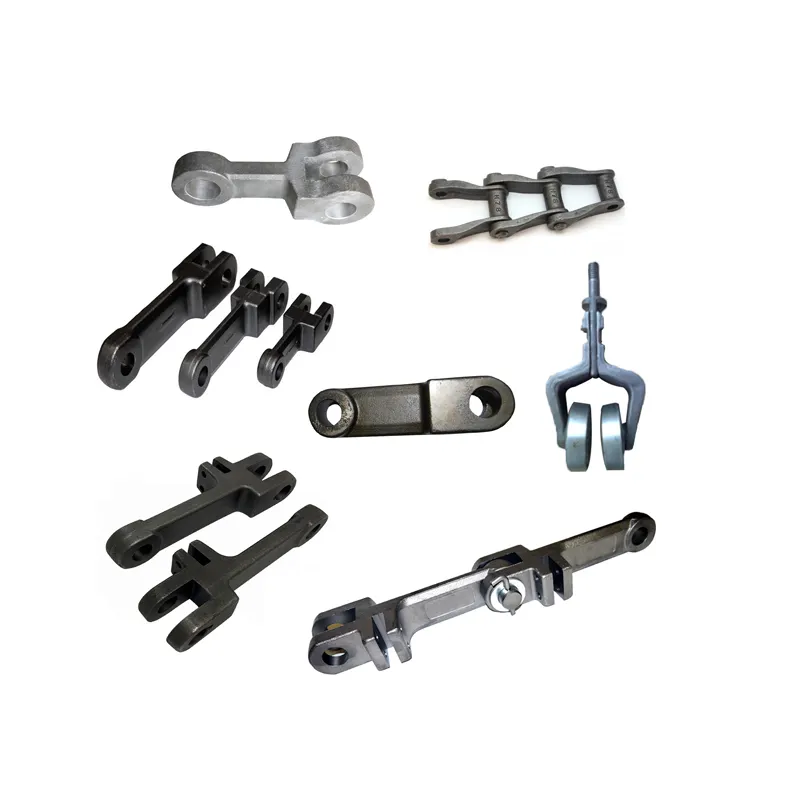
Can transmission chains be used in printing or packaging machinery?
Yes, transmission chains can be used in printing and packaging machinery. Here’s a detailed answer to the question:
Printing and packaging machinery often require precise and reliable power transmission to drive various components such as conveyors, rollers, and printing plates. Transmission chains are well-suited for these applications due to their robustness, durability, and ability to handle high loads.
Benefits of using transmission chains in printing and packaging machinery include:
1. High Load Capacity: Transmission chains are capable of handling heavy loads, making them suitable for driving equipment such as printing cylinders, conveyor belts, and packaging rollers.
2. Precise Motion Control: Printing and packaging machinery often require precise motion control to achieve accurate printing, cutting, and folding processes. Transmission chains offer excellent positional accuracy, ensuring reliable and repeatable movement of components.
3. Reliability: Transmission chains are designed to withstand the demanding operating conditions typically encountered in printing and packaging machinery. They offer high resistance to wear, fatigue, and shock loads, providing reliable performance even in high-speed applications.
4. Versatility: Transmission chains are available in various sizes, pitches, and configurations, allowing for flexibility in adapting to different printing and packaging machine designs and requirements.
5. Easy Maintenance: Transmission chains are relatively easy to maintain. Regular lubrication and periodic inspections can help ensure optimal performance and prolong chain life.
When using transmission chains in printing and packaging machinery, it’s important to select the appropriate chain type, pitch, and material based on the specific application requirements. Regular maintenance, including lubrication and tension adjustment, should be performed to optimize chain performance and prevent premature wear or failure.
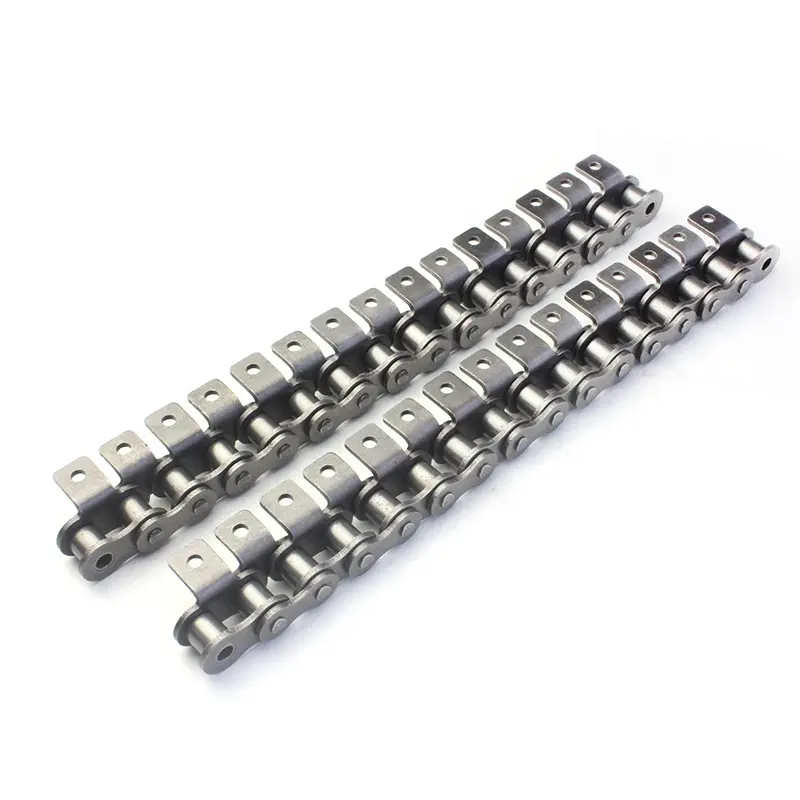
What are the benefits of using a corrosion-resistant coating on a transmission chain?
A corrosion-resistant coating offers several advantages when applied to a transmission chain. Here’s a detailed answer to the question:
1. Enhanced Durability: Corrosion can significantly impact the lifespan and performance of a transmission chain. By applying a corrosion-resistant coating, the chain is protected from the damaging effects of moisture, chemicals, and environmental factors, increasing its durability and longevity.
2. Rust Prevention: Rust formation on a transmission chain can lead to friction, wear, and reduced functionality. A corrosion-resistant coating acts as a barrier, preventing the chain from coming into direct contact with moisture or corrosive substances, thereby inhibiting rust formation and maintaining the chain’s smooth operation.
3. Improved Performance: Corrosion can affect the smooth movement of the chain, causing stiffness, binding, or seizing. With a corrosion-resistant coating, the chain experiences reduced friction and resistance, leading to improved performance, efficient power transmission, and reduced energy consumption.
4. Reduced Maintenance: A transmission chain with a corrosion-resistant coating requires less frequent maintenance and cleaning compared to an uncoated chain. The coating acts as a protective layer, minimizing the accumulation of dirt, debris, and contaminants, thereby reducing the need for frequent cleaning and maintenance.
5. Cost Savings: The use of a corrosion-resistant coating on a transmission chain can result in long-term cost savings. By extending the lifespan of the chain and reducing maintenance requirements, the need for chain replacements and associated downtime and expenses are minimized.
6. Versatility: Corrosion-resistant coatings are available in various formulations suitable for different environments and applications. Whether the transmission chain operates in outdoor conditions, high humidity, chemical exposure, or other corrosive environments, there are coatings specifically designed to provide optimal protection.
7. Environmental Considerations: Using a corrosion-resistant coating on a transmission chain contributes to environmental sustainability. By extending the life of the chain, fewer resources are consumed in manufacturing replacements, reducing waste generation and promoting a more eco-friendly approach.
It’s important to note that the selection of the appropriate corrosion-resistant coating depends on the specific operating conditions, such as temperature, chemical exposure, and the type of corrosive agents encountered. Consulting with coating manufacturers or experts can help determine the most suitable coating solution for a transmission chain based on the application requirements.
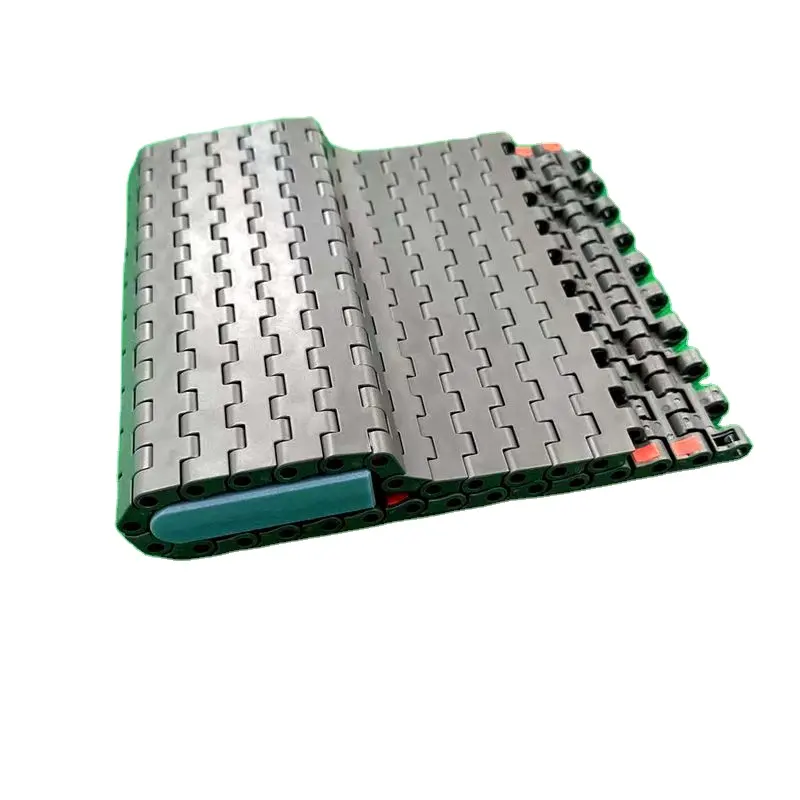
How does the choice of sprockets impact the performance of a transmission chain?
The choice of sprockets has a significant impact on the performance and longevity of a transmission chain. Here’s a detailed explanation:
1. Tooth Profile: The tooth profile of the sprockets should match the design of the transmission chain. Common tooth profiles include standard, modified, and special profiles. Proper matching ensures smooth engagement, reduced noise, and efficient power transmission.
2. Pitch Diameter: The pitch diameter of the sprockets determines the chain’s speed ratio and the rotational speed of the driven component. It should be selected based on the desired speed and torque requirements of the system.
3. Number of Teeth: The number of teeth on the sprockets affects the chain’s engagement and load distribution. Sprockets with a higher number of teeth distribute the load over more contact points, reducing wear and increasing the chain’s capacity to handle higher loads.
4. Material Selection: The material of the sprockets should be compatible with the chain and the operating environment. Common materials include steel, stainless steel, and plastics. Consider factors such as strength, wear resistance, and corrosion resistance when selecting the sprocket material.
5. Sprocket Hardness: The hardness of the sprockets is important to withstand the chain’s contact forces and resist wear. Proper hardness ensures that the sprockets maintain their tooth profile and engage with the chain effectively over an extended period.
6. Sprocket Alignment: Proper alignment of the sprockets is crucial to minimize wear, noise, and premature failure. Misalignment can lead to uneven load distribution, increased stress on the chain, and accelerated wear. Ensure that the sprockets are aligned both axially and radially to maintain optimal performance.
7. Lubrication: Sprockets should be adequately lubricated to reduce friction, wear, and heat generation. Proper lubrication ensures smooth rotation and minimizes the risk of chain failure. Consider using lubricants specifically formulated for sprocket and chain applications.
8. Maintenance: Regular inspection and maintenance of the sprockets are essential to detect any signs of wear, misalignment, or damage. Replace worn or damaged sprockets promptly to prevent chain slippage, excessive wear, and potential system failure.
Choosing the appropriate sprockets that are compatible with the transmission chain and the operating conditions is critical for achieving reliable and efficient performance. Consult the manufacturer’s guidelines and recommendations for selecting the right sprockets based on the specific application requirements.


editor by CX 2023-12-29