Product Description
Welcome to visit Xihu (West Lake) Dis. CHINAMFG mechanical (chain )factory .
We produce a wide range power transmission products. Such as roller chains and leaf chains, conveyor chains, drive chains, agricultural chains .
Also we can supply all kinds of industrial sprockets, chain couplings.
Established in year of 2000. With over 20 years history of specializing in the roller chains producing. With stable and good quality. We now have gained customer’s high praise from at home and abroad.
Our manufacturing plant and workshop area is over 10000 square CHINAMFG and with staff is about 70. We are the middle scale factory in China.
Our chain quality can match with GB,DIN,ASA,ANSI,JIS standard.and have gain the ISO9001 Certificate.
Till now, except for the domestic market, we have exported many chains to USA, CANADA,COLOMBIA,BRAZIL,ARGENTINA,POLAND, ITALY,SPAIN AND SO ON.
1.Standards: ISO /DIN /ANSI/GB/JIS/ASA
2. Model: 06C-35-240, 04B-48B Simplex, Duplex, Triplex AND ACCORDING TO CUSTOMER’S REQUIREMENTS
3. Materials: Carbon steel 40Mn,# 10 FOR THE ROLLER AND BUSH,40CR FOR THE PIN
4. All spare parts of chains are heat treated(quenching and tempering) and controlled in a reasonable tolerance range and suitable for the industry standard.
5. Tensile strength: more higher than the standard about 15%
6. Certificate of Quality: ISO 9001
7. Good lubrication with excellent grease.
8. Color: Self color and shot peen.
9.Can match with sprockets freely
| we are CHINAMFG chain factory from CHINA. |
| We make roller chains over 20 years. main ASA chains: — main DIN chains:06b-08b-10b-12b-16b-20b-24b-32b main motorcycle chains: H 520 520H 530 Our quality: middle level and good and stable. Follow up XIHU (WEST LAKE) DIS.HUA standard We also exported many industrial sprockets together with our chains. We mainly exported chains to South America AND Europe. |
/* January 22, 2571 19:08:37 */!function(){function s(e,r){var a,o={};try{e&&e.split(“,”).forEach(function(e,t){e&&(a=e.match(/(.*?):(.*)$/))&&1
| Standard or Nonstandard: | Standard |
|---|---|
| Application: | Textile Machinery, Garment Machinery, Conveyer Equipment, Packaging Machinery, Electric Cars, Motorcycle, Food Machinery, Marine, Mining Equipment, Agricultural Machinery, Car |
| Surface Treatment: | Polishing |
| Structure: | Roller Chain |
| Material: | Carbon Steel |
| Type: | Short Pitch Chain |
| Samples: |
US$ 1/Meter
1 Meter(Min.Order) | |
|---|
| Customization: |
Available
| Customized Request |
|---|
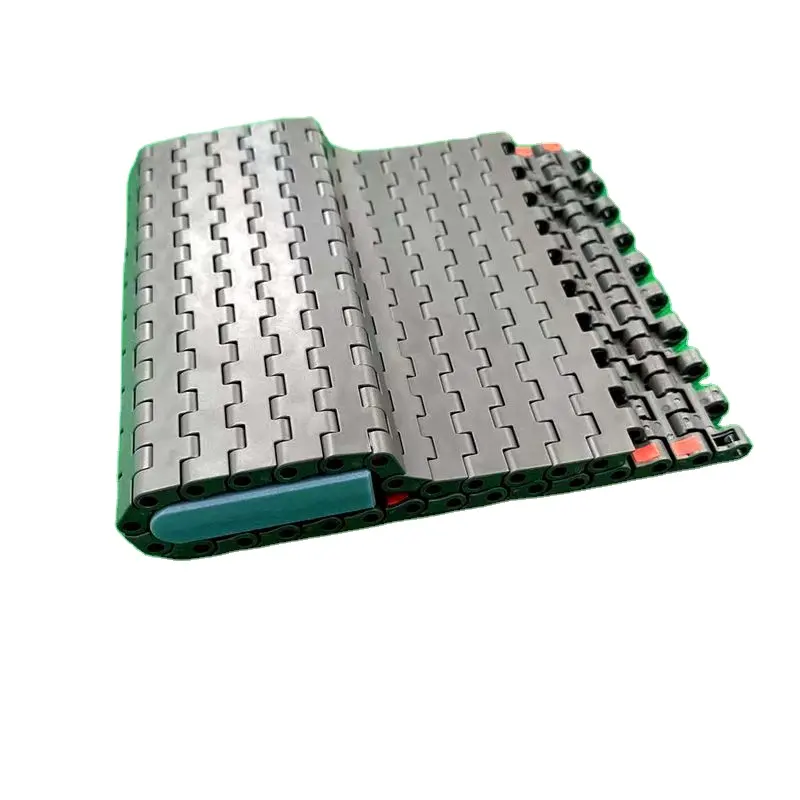
What are the advantages of using a modular transmission chain?
A modular transmission chain offers several advantages in various applications. Here’s a detailed answer to the question:
1. Flexibility: Modular transmission chains are designed with interchangeable components, allowing for easy customization and adaptability. The modular nature of these chains enables quick assembly and disassembly, making them ideal for applications that require frequent adjustments or modifications.
2. Easy Maintenance: Modular chains often have removable pins or links, which simplifies maintenance tasks such as cleaning, lubrication, and inspection. This feature reduces downtime and facilitates routine maintenance, contributing to improved overall equipment efficiency.
3. Enhanced Versatility: With modular chains, it’s possible to add or remove chain links, adjust chain length, or replace specific sections without replacing the entire chain. This versatility enables equipment designers and operators to accommodate changing needs, optimize performance, and reduce costs.
4. Reduced Inventory: The use of modular chains can minimize the need for stocking multiple chain sizes and types. Since modular chains offer flexibility and adjustability, a smaller inventory of chain components can be sufficient to meet various application requirements.
5. Cost-Effective: Modular transmission chains can provide cost savings in terms of maintenance, inventory management, and equipment adaptation. By minimizing downtime, simplifying maintenance tasks, and reducing the need for extensive spare parts, modular chains contribute to overall cost efficiency.
6. Improved Reliability: Modular chains are engineered to deliver reliable performance and withstand demanding operating conditions. The precision design and high-quality materials used in modular chains enhance their resistance to wear, fatigue, and shock loads, resulting in improved equipment reliability and longevity.
7. Customization Options: Manufacturers often offer a range of modular chain accessories, including attachments, guides, and specialized components, allowing for further customization to meet specific application requirements. This enables equipment designers to optimize performance and functionality.
Overall, the advantages of using a modular transmission chain include flexibility, easy maintenance, enhanced versatility, reduced inventory, cost-effectiveness, improved reliability, and customization options. These benefits make modular chains a preferred choice in many industries and applications where adaptability, efficiency, and performance are crucial.
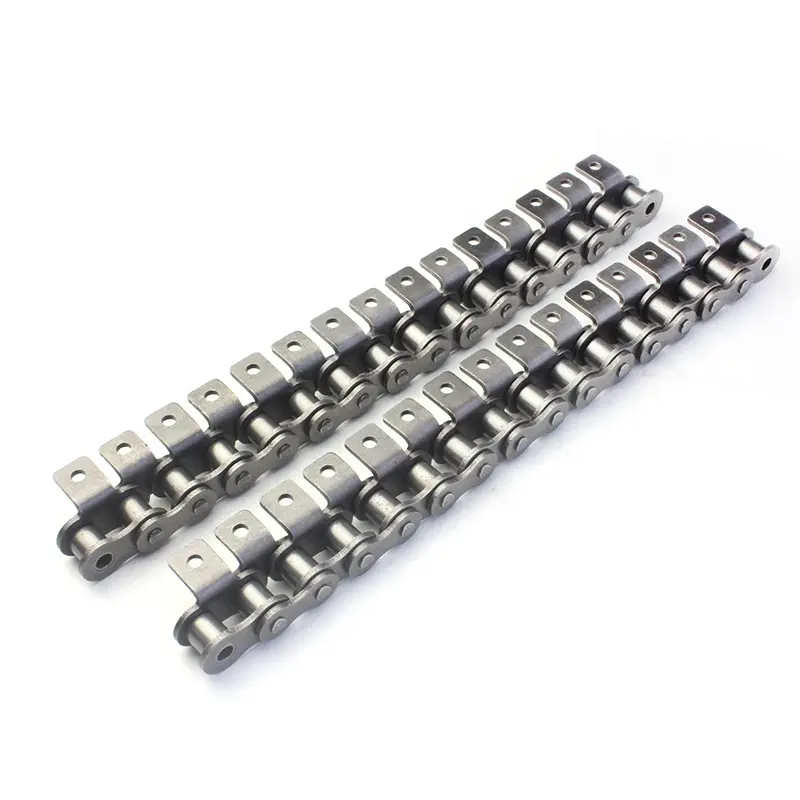
What are the benefits of using a corrosion-resistant coating on a transmission chain?
A corrosion-resistant coating offers several advantages when applied to a transmission chain. Here’s a detailed answer to the question:
1. Enhanced Durability: Corrosion can significantly impact the lifespan and performance of a transmission chain. By applying a corrosion-resistant coating, the chain is protected from the damaging effects of moisture, chemicals, and environmental factors, increasing its durability and longevity.
2. Rust Prevention: Rust formation on a transmission chain can lead to friction, wear, and reduced functionality. A corrosion-resistant coating acts as a barrier, preventing the chain from coming into direct contact with moisture or corrosive substances, thereby inhibiting rust formation and maintaining the chain’s smooth operation.
3. Improved Performance: Corrosion can affect the smooth movement of the chain, causing stiffness, binding, or seizing. With a corrosion-resistant coating, the chain experiences reduced friction and resistance, leading to improved performance, efficient power transmission, and reduced energy consumption.
4. Reduced Maintenance: A transmission chain with a corrosion-resistant coating requires less frequent maintenance and cleaning compared to an uncoated chain. The coating acts as a protective layer, minimizing the accumulation of dirt, debris, and contaminants, thereby reducing the need for frequent cleaning and maintenance.
5. Cost Savings: The use of a corrosion-resistant coating on a transmission chain can result in long-term cost savings. By extending the lifespan of the chain and reducing maintenance requirements, the need for chain replacements and associated downtime and expenses are minimized.
6. Versatility: Corrosion-resistant coatings are available in various formulations suitable for different environments and applications. Whether the transmission chain operates in outdoor conditions, high humidity, chemical exposure, or other corrosive environments, there are coatings specifically designed to provide optimal protection.
7. Environmental Considerations: Using a corrosion-resistant coating on a transmission chain contributes to environmental sustainability. By extending the life of the chain, fewer resources are consumed in manufacturing replacements, reducing waste generation and promoting a more eco-friendly approach.
It’s important to note that the selection of the appropriate corrosion-resistant coating depends on the specific operating conditions, such as temperature, chemical exposure, and the type of corrosive agents encountered. Consulting with coating manufacturers or experts can help determine the most suitable coating solution for a transmission chain based on the application requirements.
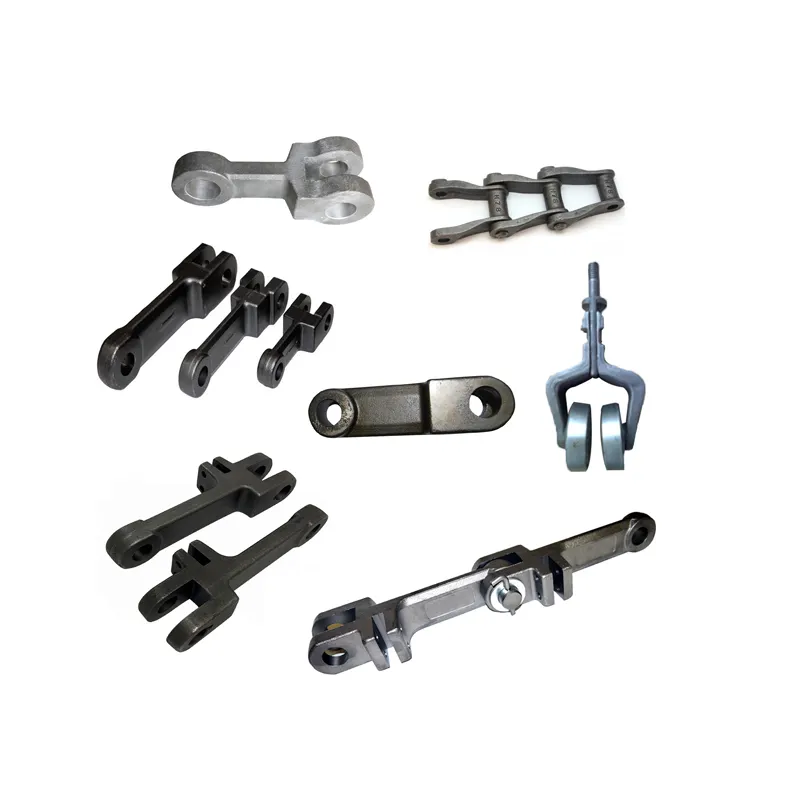
What are the maintenance requirements for transmission chains?
Maintenance plays a crucial role in ensuring the optimal performance and longevity of transmission chains. Here’s a detailed explanation:
1. Regular Inspection: Regular visual inspections should be conducted to check for any signs of wear, damage, or misalignment. Inspect the chain for signs of elongation, corrosion, broken or damaged links, and excessive wear on the sprockets.
2. Lubrication: Proper lubrication is essential to minimize friction, reduce wear, and extend the life of the chain. Follow the manufacturer’s recommendations for the type and frequency of lubrication. Apply lubricant evenly along the entire length of the chain, ensuring that it penetrates between the components.
3. Tensioning: Maintaining the correct tension in the chain is important for smooth operation and to prevent chain slippage. Follow the manufacturer’s guidelines for the recommended tensioning method and the appropriate tension level. Check the tension regularly and adjust as necessary.
4. Cleaning: Regular cleaning helps remove dirt, debris, and contaminants that can accelerate wear and cause chain failure. Use a suitable cleaning agent or solvent to clean the chain, and ensure it is thoroughly dry before applying lubrication.
5. Alignment: Proper alignment between the chain and the sprockets is crucial for smooth operation and to prevent premature wear. Check the alignment regularly and make any necessary adjustments to ensure the chain runs straight and smoothly along the sprockets.
6. Replacement of Worn Components: Over time, transmission chains may experience wear and elongation. It is important to replace worn-out components such as links, pins, and sprockets to maintain the proper functioning of the chain.
7. Environmental Considerations: Consider the operating environment of the transmission chain and take appropriate measures to protect it from corrosive substances, extreme temperatures, or excessive humidity. Apply corrosion-resistant coatings or use stainless steel chains when necessary.
8. Record Keeping: Maintain a record of maintenance activities, including lubrication schedules, tension adjustments, inspections, and component replacements. This record will help track the maintenance history and identify any patterns or issues that may arise.
It is important to consult the manufacturer’s guidelines and recommendations for specific maintenance requirements based on the type and model of the transmission chain. Adhering to proper maintenance practices will help ensure the reliability, performance, and longevity of the transmission chain in various applications.


editor by CX 2024-04-10