Product Description
Product Description
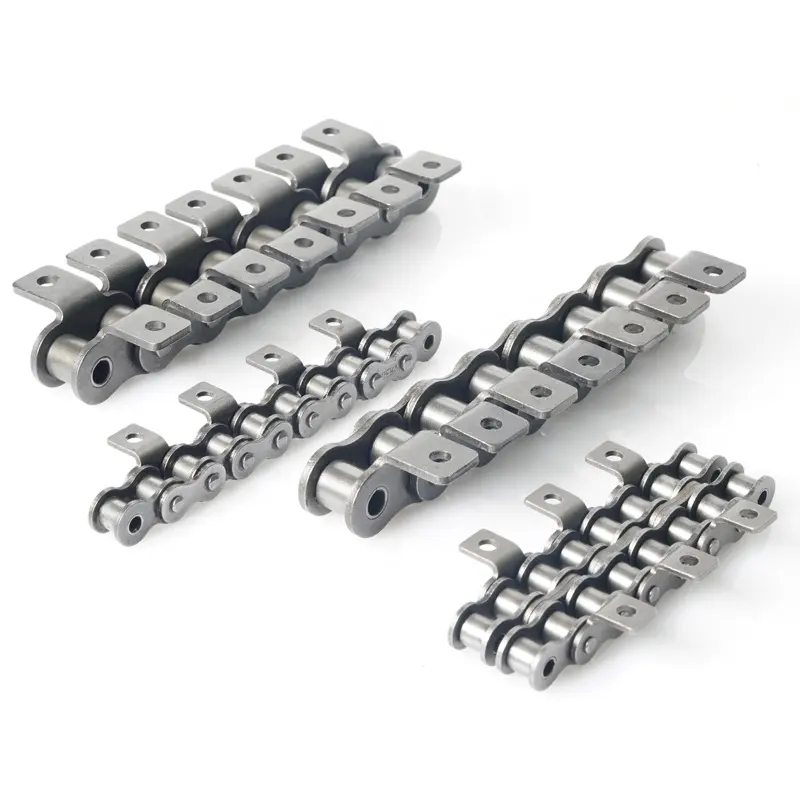
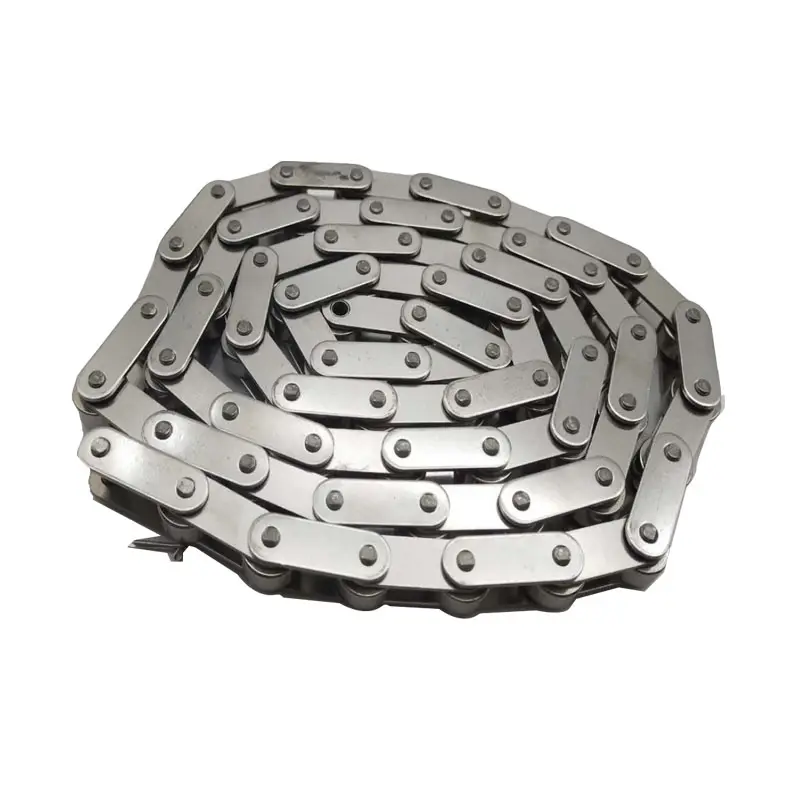
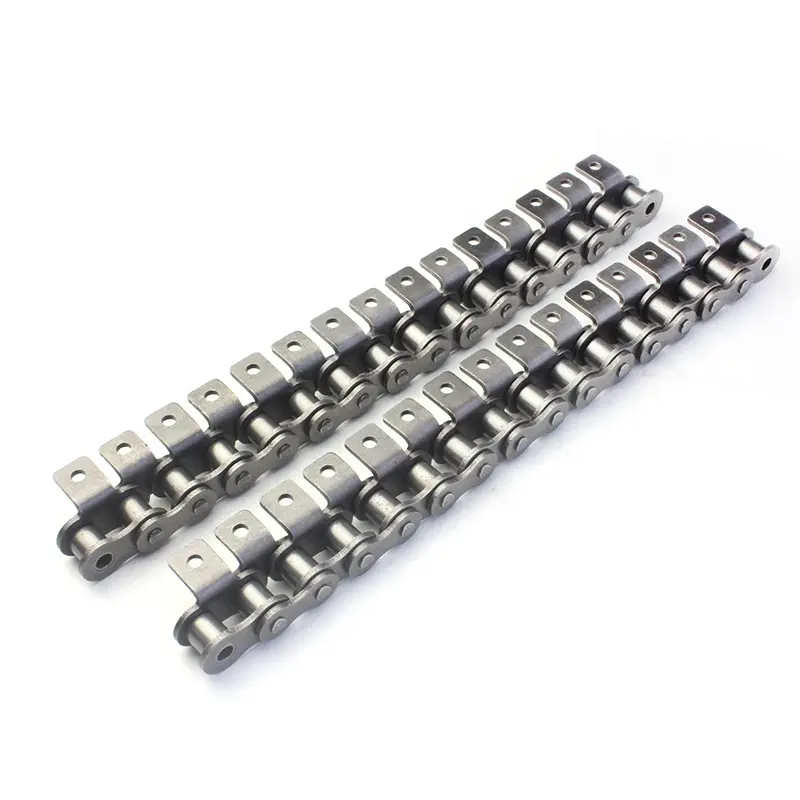
Hollow Pin Conveyor Chains (MC Series)
Chain No.: MC28, MC56, MC112, MC224
Pitch: 63.0 to 160.0 mm
For Free Samples
Prompt Delivery
Green Product
International Approvals
Experienced Staff
Product Parameters
We look CHINAMFG to receiving your enquires soon.
Conveyor chain is used for conveyor products from 1 place to another place e. X for the lumber, we supply good quality Conveyor chain, such as: 81X, 81XH, 81XHH, 81XHS, 500R and so on, if you have special demand we also could develop it for you.
Our Advantages
Why choose us?
1. HangZhou CHINAMFG Chain Group Co., Ltd established in 1991, we have 5 subsidiaries in China and also have 6 subsidiaries abroad;
2. We covering a production area of 200, 100 square meters, have more than 1, 800 sets of advanced equipment and over 3, 100 highly skilled employees, the annual production capacity has exceeded 20, 000, 000 meters;
3. We specialized in producing all kinds of standard chains and special chains, such as A or B series chains, driving chains, conveyor chains, dragging chains, agricultural chains and so on;
4. We have obtained ISO9001, ISO14001, ISO16969, AAA and API certificates.
The company is specialized in producing all kinds of standard chains and special chains, E. G. A or B series chains, automobile chains, stainless steel chains, combine harvester chains, heavy-duty cranked link transmission chains, stereo garage chains and maintenance-free chains etc. In recent years, it invests the capital and depends on the improvement of technology to accelerate the step of new product development and the step of technology reform. It intends to produce high strength and precision chains in order to meet requirements of the domestic and overseas markets. We have enclosed our catalog, which introduces our company in detail and covers the main products we supply at present. You may also visit our online company introduction at which includes our latest product line.
| Usage: | Transmission Chain |
|---|---|
| Material: | Stainless steel |
| Surface Treatment: | Shot Peening |
| Feature: | Heat Resistant |
| Chain Size: | We Can Produce According to Your Requirements |
| Structure: | All Kinds of You Required |
What are the benefits of using a corrosion-resistant transmission chain?
Using a corrosion-resistant transmission chain offers several advantages in terms of performance, durability, and cost-effectiveness. Here’s a detailed answer to the question:
1. Extended Lifespan: Corrosion-resistant transmission chains are specifically designed to withstand harsh environments and resist the effects of corrosion. They are made from materials such as stainless steel, nickel-plated steel, or coatings like zinc or chrome, which provide excellent protection against corrosion. By using a corrosion-resistant chain, you can significantly extend the lifespan of the chain and reduce the need for frequent replacements.
2. Reliable Performance: Corrosion can negatively impact the performance of transmission chains by causing wear, friction, and binding. Corrosion-resistant chains maintain their smooth operation and consistent performance over time, ensuring reliable power transmission and reducing the risk of chain failure or downtime.
3. Reduced Maintenance: Corrosion-resistant chains require less maintenance compared to standard chains. They are less prone to rust and degradation, resulting in lower maintenance costs and time spent on chain lubrication, cleaning, and replacement. This is particularly beneficial in industries where maintenance accessibility is challenging or costly.
4. Cost Savings: although corrosion-resistant chains may have a higher upfront cost compared to standard chains, they offer long-term cost savings. The extended lifespan and reduced maintenance requirements result in lower overall operating costs and improved equipment reliability. Additionally, avoiding premature chain failure due to corrosion can prevent costly equipment damage and production downtime.
5. Versatility: Corrosion-resistant transmission chains are suitable for a wide range of applications and environments. They can be used in industries such as food processing, marine, chemical, pharmaceutical, or outdoor equipment, where exposure to moisture, chemicals, s altwater, or other corrosive substances is common. The versatility of corrosion-resistant chains allows them to be deployed in diverse operating conditions without compromising performance or durability.
6. Compliance with Regulations: In certain industries, such as food processing or pharmaceuticals, strict regulations and hygiene standards are in place. Using corrosion-resistant chains helps meet these regulatory requirements, ensuring product integrity, safety, and compliance with industry standards.
By choosing a corrosion-resistant transmission chain, you can benefit from its extended lifespan, reliable performance, reduced maintenance, cost savings, versatility, and compliance with regulations. It is important to consider the specific application requirements and environmental conditions when selecting the appropriate corrosion-resistant chain for optimal performance and longevity.
What are the benefits of using a lightweight transmission chain?
Using a lightweight transmission chain offers several advantages. Here’s a detailed answer to the question:
1. Improved Efficiency: A lightweight transmission chain reduces the overall weight of the system, resulting in improved energy efficiency. With less mass to move, the power required to drive the chain is reduced, leading to lower energy consumption.
2. Increased Power-to-Weight Ratio: The lightweight nature of the chain allows for a higher power-to-weight ratio. This means that a smaller, lighter chain can transmit the same amount of power as a heavier chain, making it suitable for applications where weight reduction is crucial, such as in portable or handheld equipment.
3. Reduced Inertia: The lower weight of the transmission chain reduces the inertia of the system. This enables faster acceleration and deceleration, resulting in improved response times and better overall performance in dynamic applications.
4. Easier Handling and Installation: Lightweight transmission chains are easier to handle and install compared to heavier chains. They require less effort and manpower during installation or maintenance activities, making them more convenient and time-saving.
5. Lower Wear and Tear: The reduced weight of the chain contributes to lower wear and tear on other components of the system, such as sprockets, bearings, and shafts. This can extend the lifespan of these components and reduce the frequency of maintenance and replacement.
6. Cost Savings: Using a lightweight transmission chain can result in cost savings in several ways. The reduced energy consumption leads to lower operating costs, and the lighter weight may allow for the use of smaller and less expensive supporting components.
It’s important to note that the choice of a lightweight transmission chain should be based on the specific application requirements. Factors such as load capacity, speed, operating environment, and compatibility with other system components should be considered to ensure that the lightweight chain meets the performance and durability needs of the application.
How do you choose the right transmission chain for a specific application?
Choosing the right transmission chain for a specific application is crucial to ensure optimal performance and longevity. Here are the key factors to consider when selecting a transmission chain:
- Load Capacity: Determine the maximum load that the chain will need to transmit. This includes both the static and dynamic loads. Ensure that the selected chain has a sufficient load capacity to handle the application requirements.
- Speed and RPM: Consider the operating speed and rotational speed of the chain. Higher speeds may require chains with improved fatigue resistance and lubrication capabilities.
- Environment: Evaluate the environmental conditions in which the chain will operate. Factors such as temperature, moisture, dust, chemicals, and corrosive agents can impact chain performance. Choose a chain that is resistant to the specific environmental conditions.
- Alignment and Tension: Ensure proper alignment and tensioning of the chain. Misalignment and improper tension can lead to premature wear and failure. Select a chain that allows for proper adjustment and maintains optimal tension during operation.
- Maintenance: Consider the maintenance requirements of the chain. Some chains may require regular lubrication, while others may be self-lubricating or maintenance-free. Evaluate the available resources and the desired level of maintenance for the application.
- Compatibility: Ensure compatibility between the chain and other components in the transmission system, such as sprockets or gears. The chain should match the tooth profile and pitch of the mating components.
- Manufacturer’s Recommendations: Consult the manufacturer’s guidelines and recommendations for selecting the appropriate chain for specific applications. Manufacturers often provide detailed specifications, load charts, and application guidelines for their chains.
By considering these factors and consulting with chain manufacturers or industry experts, you can choose the right transmission chain that meets the specific requirements of your application, ensuring reliable and efficient operation.


editor by CX 2023-12-06