
Product Description
Product Description
| Item Name | Agricultural Roller Chains | Model | Standard |
| Row | / | Application | Machinery Parts |
| Suiface Treament | netural/sand-blasted/shot-peening | Certification | ISO, ANSI, DIN, BS |
| Packing | Packaged in boxes and wooden cases, or packaged in reels and then on pallets | Port | Any sea port or airport in china |
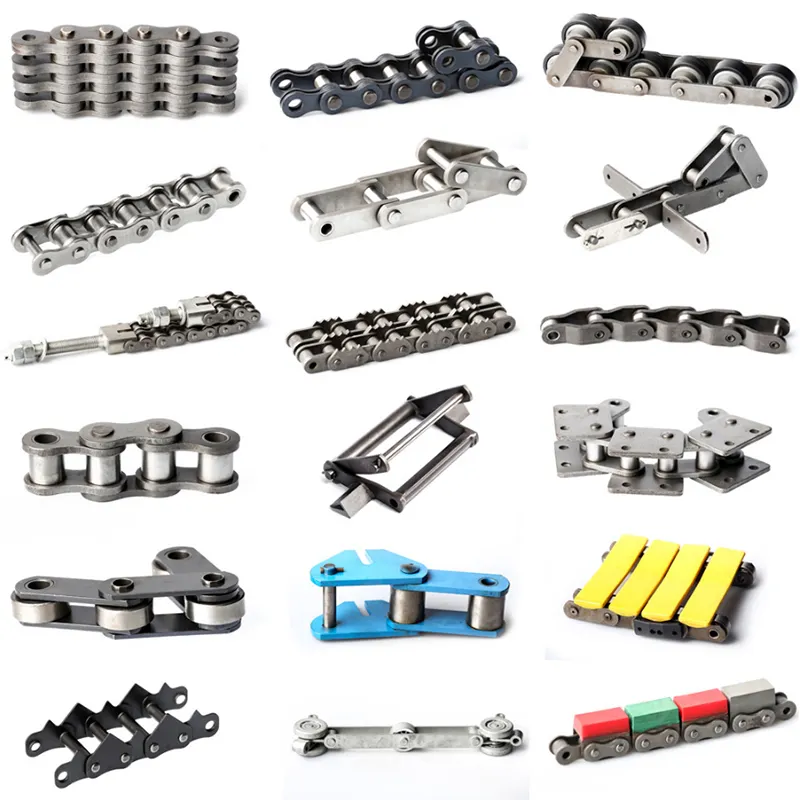
Agricultural chains, also known as farm machinery chains, are specifically designed for use in
agricultural equipment and machinery. These chains are used to transmit power from the tractor
to various attachments, such as plows, cultivators, and harvesters.
Agricultural chains are made from high-quality materials that are resistant to wear and corrosion.
They are designed to withstand the harsh conditions of the farm, including exposure to dirt, dust,
and debris. These chains are available in a variety of sizes and configurations to fit different
types of farm machinery.
In addition to their strength and durability, agricultural chains are also designed to provide smooth
and efficient power transmission. This helps to increase the productivity of the equipment and
reduce downtime for maintenance and repairs.
Overall, agricultural chains play a critical role in the operation of farm machinery, ensuring that
farmers can efficiently and effectively carry out their work.
Other Products
Company Profile
Packaging & Shipping
After Sales Service
Contact us
/* January 22, 2571 19:08:37 */!function(){function s(e,r){var a,o={};try{e&&e.split(“,”).forEach(function(e,t){e&&(a=e.match(/(.*?):(.*)$/))&&1
| Standard or Nonstandard: | Standard |
|---|---|
| Application: | Textile Machinery, Garment Machinery, Conveyer Equipment, Packaging Machinery, Electric Cars, Motorcycle |
| Surface Treatment: | Netural/Sand-Blasted/Shot-Peening |
| Structure: | Roller Chain |
| Material: | Carbon Steel |
| Type: | Short Pitch Chain |
| Samples: |
US$ 3.45/Meter
1 Meter(Min.Order) | |
|---|
| Customization: |
Available
| Customized Request |
|---|
How does the length of a transmission chain impact its performance?
The length of a transmission chain plays a significant role in its overall performance and functionality. Here’s a detailed explanation:
1. Proper Fit and Function: The length of a transmission chain needs to be carefully selected to ensure it fits and functions correctly within the designated system. If the chain is too short, it may not be able to reach the sprockets or pulleys properly, leading to ineffective power transmission and potential chain slippage. On the other hand, if the chain is too long, it may sag, create excessive tension, or cause interference with other components, resulting in inefficient operation or premature wear.
2. Tension and Slack Control: The length of a transmission chain affects the tension and slack control within the system. A properly tensioned chain ensures optimal power transmission, reduces backlash, and minimizes the risk of chain derailment. The chain length must be adjusted to maintain the appropriate tension throughout the operating cycle, considering factors such as load variations, temperature changes, and system dynamics.
3. Flexibility and Bending Requirements: The length of a transmission chain influences its flexibility and bending characteristics. Longer chains may have a higher degree of flexibility, allowing them to navigate complex paths or accommodate greater distances between sprockets or pulleys. However, excessive chain length can lead to excessive bending, resulting in increased friction, wear, and potential premature failure.
4. Sprocket Interactions: The length of the transmission chain affects its interaction with the sprockets or pulleys. The number of chain links determines the engagement between the chain and the teeth of the sprockets. Proper length ensures smooth engagement, minimal tooth wear, and efficient power transfer. Incorrect chain length can cause misalignment, increased noise, and accelerated sprocket or chain wear.
5. System Efficiency and Performance: The length of a transmission chain directly impacts the overall efficiency and performance of the system. A properly sized chain ensures optimum power transmission, minimal energy losses, and reliable operation. By selecting the appropriate chain length, system designers can maximize efficiency, minimize wear, and optimize the lifespan of both the chain and related components.
When selecting the length of a transmission chain, it’s crucial to consider the specific requirements of the application, including the distance between sprockets or pulleys, the desired tension, and the expected load conditions. Consulting with chain manufacturers or industry experts can provide valuable guidance in determining the appropriate chain length for optimal performance and longevity.
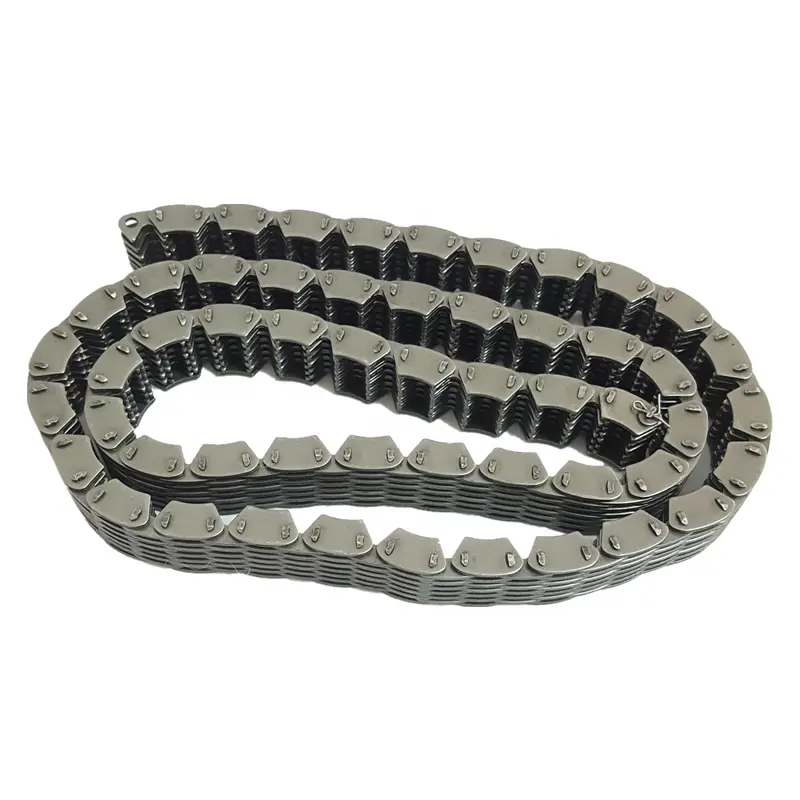
What are the advantages of using a double-pitch transmission chain?
A double-pitch transmission chain offers several advantages in certain applications. Here’s a detailed answer to the question:
1. Cost-Effective: Double-pitch transmission chains are typically less expensive compared to standard pitch chains. This makes them a cost-effective choice for applications where high precision and high load capacity are not essential.
2. Lighter Weight: Double-pitch chains are lighter in weight compared to standard pitch chains of the same length. This can be advantageous in applications where weight reduction is desired, such as in portable equipment or conveyor systems.
3. Reduced Noise and Vibration: The longer pitch of double-pitch chains helps to reduce noise and vibration levels during operation. This can be beneficial in applications where noise reduction is important, such as in automotive or industrial machinery.
4. Higher Speed Capability: Double-pitch chains can operate at higher speeds compared to standard pitch chains. The longer pitch allows for smoother and more efficient motion, making them suitable for applications that require high-speed operation.
5. Extended Life: Due to their longer pitch, double-pitch chains distribute the load over a larger surface area, reducing stress and wear on individual chain components. This can result in an extended service life compared to standard pitch chains.
6. Customization Options: Double-pitch chains can be customized to meet specific application requirements. They can be made with different materials, coatings, and attachments to enhance their performance in specific environments or applications.
7. Wide Availability: Double-pitch transmission chains are widely available in the market, making them easily accessible for various industries and applications. They come in different sizes and configurations to accommodate different load capacities and system designs.
It’s important to note that while double-pitch transmission chains offer advantages in certain applications, they may not be suitable for all applications. Factors such as load capacity, speed, precision, and environmental conditions should be considered when selecting the appropriate chain for a specific application.
Are there specific lubrication requirements for transmission chains?
Yes, transmission chains typically require proper lubrication to ensure smooth operation, reduce wear, and prolong their service life. Here are some key points regarding lubrication requirements for transmission chains:
- Clean and Adequate Lubrication: It is important to keep the chain adequately lubricated to minimize friction and wear between the chain components. Lubrication helps reduce heat generation and prevents metal-to-metal contact, which can lead to premature wear and failure.
- Appropriate Lubricant Selection: Choosing the right lubricant is crucial for optimal chain performance. Factors to consider when selecting a lubricant include the application temperature, load conditions, speed, and environmental factors. Lubricants should have good adhesion properties, resist oxidation, and provide sufficient film strength to protect the chain surfaces.
- Proper Lubrication Interval: Regular lubrication at appropriate intervals is necessary to maintain the chain’s performance and reduce the risk of excessive wear. The lubrication frequency depends on the operating conditions and the specific lubricant used. Manufacturers usually provide recommendations for lubrication intervals based on the chain type and application.
- Effective Lubrication Application: Proper application of lubricant is essential to ensure uniform coverage and penetration into the chain components. The lubricant should be applied to the inner link plates, roller surfaces, and pin-bushing interfaces. Excess lubricant should be removed to prevent buildup and contamination.
- Environmental Considerations: In certain environments, such as dusty or dirty conditions, the chain may require more frequent lubrication to prevent the ingress of contaminants and maintain proper lubrication film. Additionally, in high-temperature or high-speed applications, special high-temperature or high-speed lubricants may be necessary.
- Regular Inspection and Maintenance: Along with proper lubrication, regular inspection and maintenance of the transmission chain are essential. This includes checking for signs of wear, lubricant degradation, and proper tension. Any damaged or worn components should be replaced promptly to prevent chain failure.
Following the manufacturer’s recommendations and adhering to the specific lubrication requirements for the transmission chain will help ensure optimal performance, reduce wear, and extend the chain’s lifespan.


editor by CX 2024-05-02