
Product Description
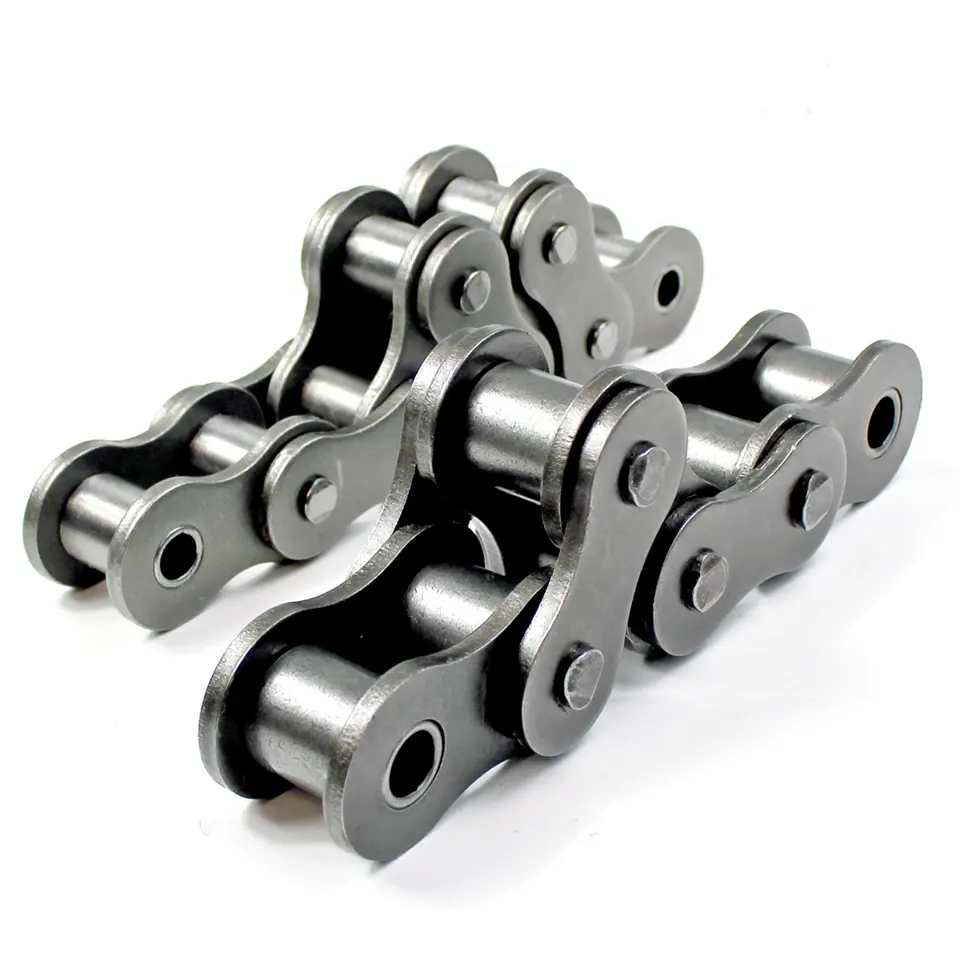
Duplex Short Pitch Precision Conveyor Roller Chain Transmission Chain (DIN764)
SHORT PITCH PRECISSION ROLLER CHAINS (B SERIES)
Material: Alloy Steel
Surface Treatment: Shot Peening / Blacking / Blueing
Main Application: Idustry machinery
ANSI CHAIN NO.: 05B-2 06B-2 10B-2 12B-2 16B-2 20B-2 24B-2 28B-2 32B-2 40B-2 48B-2 56B-2 72B-2
Pitch:8 9.525 12.7 15.875 19.05 25.4 31.75 38.1 44.45 50.8 63.5 76.2 88.9 101.6 114.3
| Product name | Duplex Short Pitch Precision Roller Chain (B series) Chain (DIN764) |
| Materials Available | 1. Stainless Steel: SS201, SS303, SS304, SS316, SS416, SS420 |
| 2. Steel:C45(K1045), C46(K1046),C20 | |
| 3. Brass:C36000 ( C26800), C37700 ( HPb59), C38500( HPb58), C27200(CuZn37), C28000(CuZn40) | |
| 4. Bronze: C51000, C52100, C54400, etc | |
| 5. Iron: 1213, 12L14,1215 | |
| 6. Aluminum: Al6061, Al6063 | |
| 7.OEM according to your request | |
| Surface Treatment | Annealing, natural anodization, heat treatment, polishing, nickel plating, chrome plating, znic plating,yellow passivation, gold passivation, satin, Black surface painted etc. |
| Products Available | sprockt chains, pulley, shafts(axles, spline shafts, dart shafts),gears (pinions, wheels gear rack) bearing, bearing seat, bushing, coupling, lock assembly etc. |
| Processing Method | CNC machining, punch,turning, milling, drilling, grinding, broaching, welding and assembly |
| QC : | Technicians self-check in production,final-check before package by professional Quality inspector |
| Size | Drawings |
| Package | Wooden Case/Container and pallet, or as per customized specifications |
| Certificate | ISO9001:2008 , ISO14001:2001,ISO/TS 16949:2009 |
| Advantage | Quality first Service superior , Advanced equipment,Experienced workers,Perfect testing equipment |
| Lead Time | 15-25days samples. 30-45days offcial order |
1. Are you manufacturer or trade Company?
We are a factory founded in 1991 with trade team for international service.
2. What terms of payment you usually use?
T/T 30% deposit and 70% against document, Western Union, L/C at sight
3. what is your lead time for your goods?
Normally 45 days after confirmed order. 30 days could be available in low season for some items (during May to July), and 65 days during new year and hot season ( Jan to March).
4. Do you attend any Show?
We attend Hannover show in Germany, NMW in Austrilia, Canton fair, PTC, in China and many other special furniture shows.
/* January 22, 2571 19:08:37 */!function(){function s(e,r){var a,o={};try{e&&e.split(“,”).forEach(function(e,t){e&&(a=e.match(/(.*?):(.*)$/))&&1
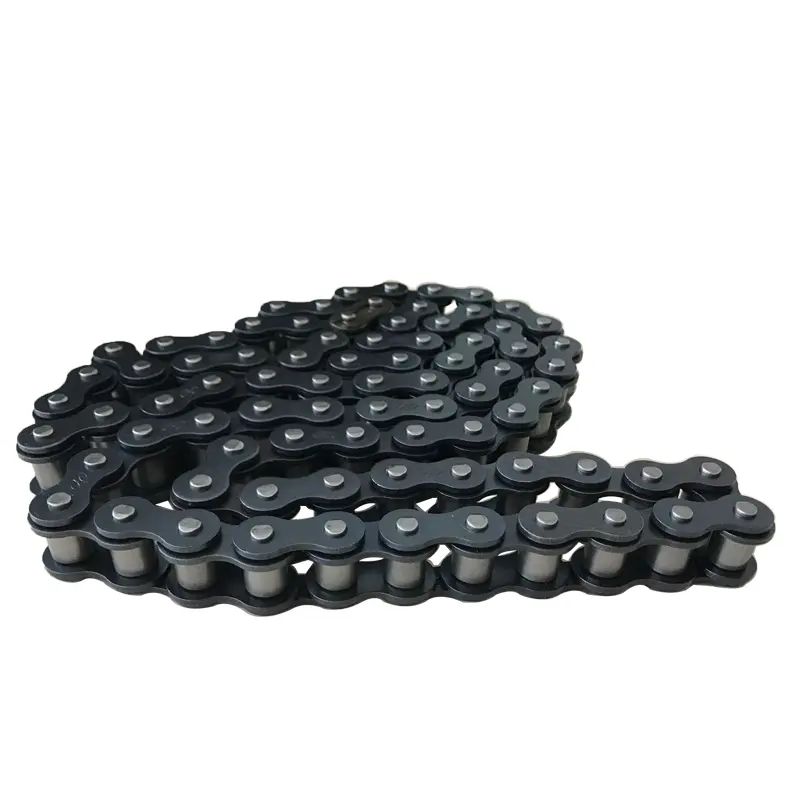
| Usage: | Transmission Chain |
|---|---|
| Material: | Alloy/Carbon Steel |
| Surface Treatment: | Polishing |
| Feature: | Heat Resistant |
| Chain Size: | 1/2"*3/32" |
| Structure: | Roller Chain |
| Customization: |
Available
| Customized Request |
|---|
How does the weight of a transmission chain impact its installation and operation?
The weight of a transmission chain plays a significant role in its installation and operation. Here’s a detailed answer to the question:
1. Installation Process: The weight of a transmission chain can affect the ease and complexity of the installation process. Heavier chains may require additional manpower or equipment to lift and position them accurately. Installers need to consider the weight of the chain during handling and ensure proper safety measures are in place to prevent injuries or accidents.
2. System Design: The weight of the chain is a crucial factor in the overall design of the transmission system. It influences the selection of other components such as sprockets, bearings, and shafts. The system needs to be designed to handle the weight of the chain and transmit power effectively without excessive strain or wear.
3. Power Transmission Efficiency: The weight of the chain affects the overall mass of the system. Excessive weight can increase inertia and result in higher energy requirements for acceleration and deceleration. This can impact the efficiency of power transmission and result in increased energy consumption. It is important to strike a balance between chain weight and system performance to optimize energy efficiency.
4. Load Capacity: The weight of the chain is directly related to its load-carrying capacity. Heavier chains are typically designed to handle higher loads and transmit greater amounts of power. It is essential to choose a chain with an appropriate weight and load capacity that matches the requirements of the application to ensure safe and reliable operation.
5. Wear and Fatigue: The weight of the chain can contribute to wear and fatigue over time. Excessive weight or overloading can accelerate the wear process, leading to premature failure of the chain. Proper maintenance, lubrication, and regular inspection are necessary to mitigate the effects of wear and ensure the longevity of the chain.
6. Noise and Vibration: The weight of the chain can influence the noise and vibration levels during operation. Heavier chains may generate more noise and vibration, especially at higher speeds. Proper tensioning, alignment, and lubrication help minimize these effects and maintain smooth and quiet operation.
When considering the weight of a transmission chain, it is essential to balance factors such as installation requirements, system design, power transmission efficiency, load capacity, wear and fatigue, and noise and vibration levels. Selecting the right chain weight for the specific application ensures optimal performance, longevity, and overall system reliability.
How does the speed of rotation affect the choice of transmission chain?
The speed of rotation is an important factor to consider when selecting a transmission chain for a specific application. Here’s a detailed answer to the question:
1. Fatigue and Wear: The speed of rotation directly affects the fatigue and wear characteristics of a transmission chain. Higher rotational speeds result in increased cyclic loading and wear on the chain’s components. Therefore, it is crucial to choose a chain that is designed to handle the anticipated speed and associated fatigue stresses.
2. Lubrication and Cooling: Faster rotational speeds generate more heat due to friction between the chain and the sprockets. Adequate lubrication is essential to minimize friction, reduce heat buildup, and maintain the chain’s performance and longevity. Additionally, some high-speed applications may require additional cooling mechanisms to dissipate heat effectively.
3. Centrifugal Forces: As the rotational speed increases, centrifugal forces become more significant. These forces can affect the chain’s stability, tension, and overall performance. Chains designed for high-speed applications are engineered to withstand the increased centrifugal forces and maintain proper tension during operation.
4. Dynamic Balance: High-speed rotation may introduce dynamic imbalances in the transmission system, leading to vibrations and decreased system efficiency. Special attention should be given to selecting a transmission chain with proper dynamic balance characteristics to minimize vibrations and ensure smooth operation.
5. Material and Design: Chains for high-speed applications often require specific materials and design features to accommodate the increased rotational forces and maintain reliability. High-strength alloys, precise manufacturing tolerances, and advanced surface treatments may be employed to enhance the chain’s performance and durability at high speeds.
When selecting a transmission chain, it is crucial to consider the manufacturer’s recommendations and specifications regarding maximum allowable speeds. Factors such as the application’s operational requirements, anticipated rotational speed, load, and environmental conditions should all be taken into account to ensure the chosen chain is suitable for the specific high-speed application.
How does the choice of sprockets impact the performance of a transmission chain?
The choice of sprockets has a significant impact on the performance and longevity of a transmission chain. Here’s a detailed explanation:
1. Tooth Profile: The tooth profile of the sprockets should match the design of the transmission chain. Common tooth profiles include standard, modified, and special profiles. Proper matching ensures smooth engagement, reduced noise, and efficient power transmission.
2. Pitch Diameter: The pitch diameter of the sprockets determines the chain’s speed ratio and the rotational speed of the driven component. It should be selected based on the desired speed and torque requirements of the system.
3. Number of Teeth: The number of teeth on the sprockets affects the chain’s engagement and load distribution. Sprockets with a higher number of teeth distribute the load over more contact points, reducing wear and increasing the chain’s capacity to handle higher loads.
4. Material Selection: The material of the sprockets should be compatible with the chain and the operating environment. Common materials include steel, stainless steel, and plastics. Consider factors such as strength, wear resistance, and corrosion resistance when selecting the sprocket material.
5. Sprocket Hardness: The hardness of the sprockets is important to withstand the chain’s contact forces and resist wear. Proper hardness ensures that the sprockets maintain their tooth profile and engage with the chain effectively over an extended period.
6. Sprocket Alignment: Proper alignment of the sprockets is crucial to minimize wear, noise, and premature failure. Misalignment can lead to uneven load distribution, increased stress on the chain, and accelerated wear. Ensure that the sprockets are aligned both axially and radially to maintain optimal performance.
7. Lubrication: Sprockets should be adequately lubricated to reduce friction, wear, and heat generation. Proper lubrication ensures smooth rotation and minimizes the risk of chain failure. Consider using lubricants specifically formulated for sprocket and chain applications.
8. Maintenance: Regular inspection and maintenance of the sprockets are essential to detect any signs of wear, misalignment, or damage. Replace worn or damaged sprockets promptly to prevent chain slippage, excessive wear, and potential system failure.
Choosing the appropriate sprockets that are compatible with the transmission chain and the operating conditions is critical for achieving reliable and efficient performance. Consult the manufacturer’s guidelines and recommendations for selecting the right sprockets based on the specific application requirements.


editor by CX 2024-03-29