
Product Description
Product Description
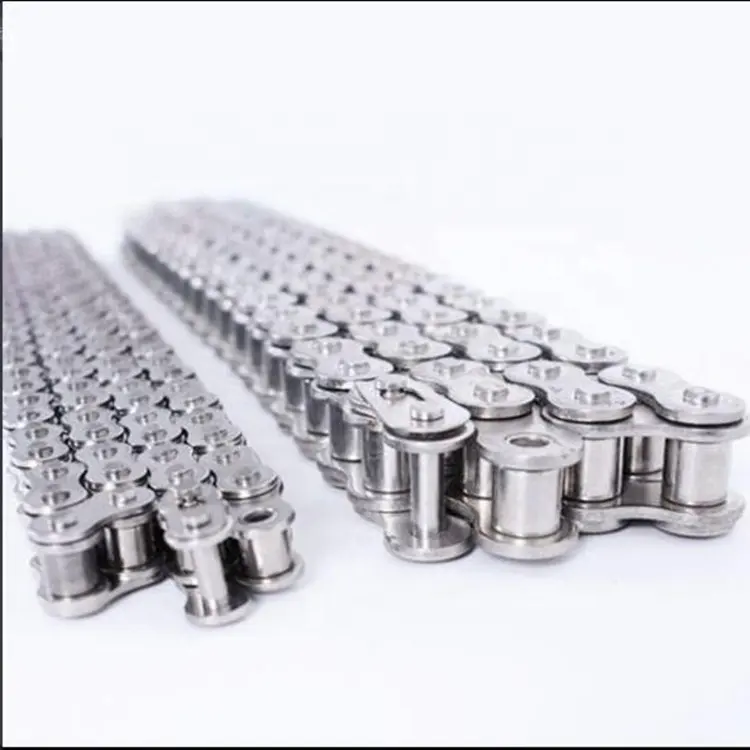
| Item Name | Agricultural Roller Chains | Model | Standard |
| Row | / | Application | Machinery Parts |
| Suiface Treament | netural/sand-blasted/shot-peening | Certification | ISO, ANSI, DIN, BS |
| Packing | Packaged in boxes and wooden cases, or packaged in reels and then on pallets | Port | Any sea port or airport in china |
Agricultural chains, also known as farm machinery chains, are specifically designed for use in
agricultural equipment and machinery. These chains are used to transmit power from the tractor
to various attachments, such as plows, cultivators, and harvesters.
Agricultural chains are made from high-quality materials that are resistant to wear and corrosion.
They are designed to withstand the harsh conditions of the farm, including exposure to dirt, dust,
and debris. These chains are available in a variety of sizes and configurations to fit different
types of farm machinery.
In addition to their strength and durability, agricultural chains are also designed to provide smooth
and efficient power transmission. This helps to increase the productivity of the equipment and
reduce downtime for maintenance and repairs.
Overall, agricultural chains play a critical role in the operation of farm machinery, ensuring that
farmers can efficiently and effectively carry out their work.
Other Products
Company Profile
Packaging & Shipping
After Sales Service
Contact us
| Standard or Nonstandard: | Standard |
|---|---|
| Application: | Textile Machinery, Garment Machinery, Conveyer Equipment, Packaging Machinery, Electric Cars, Motorcycle |
| Surface Treatment: | Netural/Sand-Blasted/Shot-Peening |
| Structure: | Roller Chain |
| Material: | Carbon Steel |
| Type: | Short Pitch Chain |
| Samples: |
US$ 3.45/Meter
1 Meter(Min.Order) | |
|---|
| Customization: |
Available
| Customized Request |
|---|
What are the benefits of using a maintenance-free transmission chain?
Using a maintenance-free transmission chain offers several advantages in terms of convenience, cost savings, and overall performance. Here’s a detailed explanation:
1. Reduced Maintenance Requirements: Maintenance-free transmission chains are designed to operate without the need for regular lubrication or additional maintenance tasks. This eliminates the time and effort typically associated with lubrication and inspection schedules, reducing overall maintenance requirements and associated costs.
2. Increased Operational Efficiency: Maintenance-free chains often incorporate specialized self-lubricating materials or coatings that provide excellent lubrication properties over an extended period. This helps to reduce friction, wear, and power losses, resulting in improved operational efficiency. The reduced friction also contributes to lower energy consumption and increased power transmission efficiency.
3. Extended Chain Life: Maintenance-free transmission chains are engineered to have a longer service life compared to traditional lubricated chains. The use of self-lubricating materials or coatings helps to minimize wear, corrosion, and elongation, ensuring the chain remains in optimal condition for an extended period. This leads to reduced downtime, fewer chain replacements, and lower replacement costs.
4. Clean and Environmentally Friendly: Maintenance-free chains do not require external lubrication, which means there is no need for oil or grease application. This results in a cleaner and more environmentally friendly working environment, as there is no risk of oil contamination or leakage. Additionally, maintenance-free chains often generate less noise due to reduced friction, contributing to a quieter working environment.
5. Application Versatility: Maintenance-free transmission chains are available in various types and sizes, making them suitable for a wide range of applications. They can be used in industries such as packaging, food processing, automotive, material handling, and many others where reliability, cleanliness, and reduced maintenance are essential.
It’s important to note that while maintenance-free transmission chains offer numerous benefits, they may not be suitable for all applications. Factors such as load capacity, operating conditions, and environmental factors should be considered when determining the appropriate chain type. Consulting with chain manufacturers or industry experts will ensure the selection of a maintenance-free transmission chain that best meets the specific application requirements.
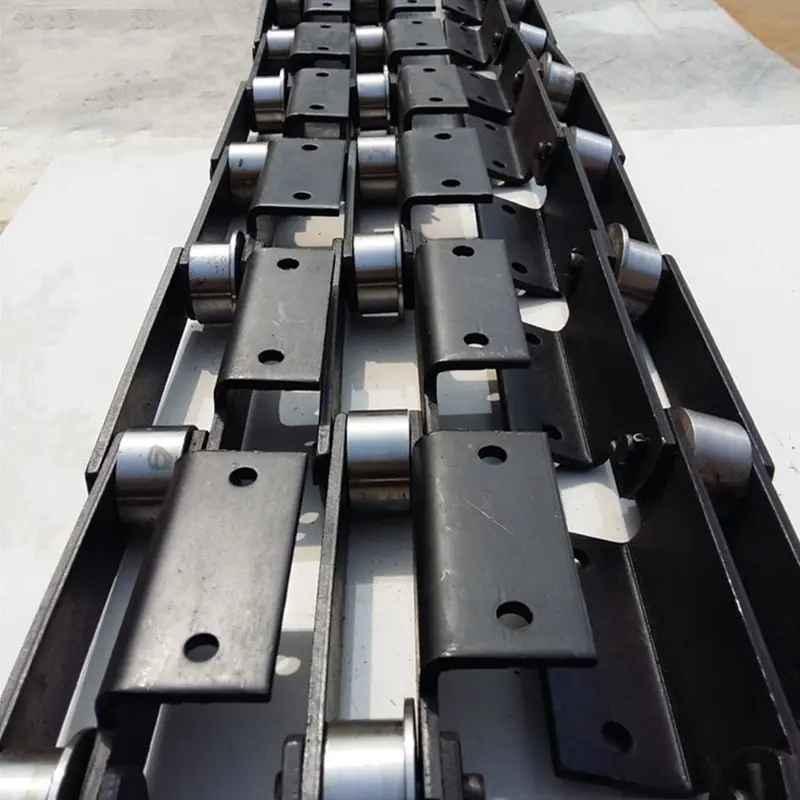
Can transmission chains be used in high-torque applications?
Yes, transmission chains are commonly used in high-torque applications due to their ability to transmit power efficiently. Here’s a detailed answer to the question:
1. Robust Power Transmission: Transmission chains are designed to handle significant amounts of power transmission, including high-torque applications. They are capable of transferring torque from the driving source to the driven components effectively.
2. Load Capacity: Transmission chains are engineered to withstand heavy loads and high levels of torque. They are designed with appropriate material strength, chain pitch, and components to handle the specific torque requirements of the application.
3. Diverse Applications: Transmission chains are utilized in various high-torque applications across industries such as automotive, construction, mining, agriculture, and manufacturing. They are commonly used in power transmission systems, machinery, equipment, conveyors, and other mechanisms that require efficient torque transfer.
4. Compatibility with Sprockets: Transmission chains work in conjunction with sprockets, which are designed to engage with the chain links and transfer torque. The design and selection of appropriate sprockets ensure smooth and reliable torque transmission in high-torque applications.
5. Strength and Durability: Transmission chains are manufactured using high-strength materials such as alloy steel, stainless steel, or heat-treated steels to provide the necessary strength and durability required for high-torque operations. These materials can withstand the forces generated by high levels of torque without premature wear or failure.
6. Proper Lubrication and Maintenance: To ensure optimal performance in high-torque applications, it is essential to maintain proper lubrication and perform regular maintenance on the transmission chain. Adequate lubrication reduces friction, heat generation, and wear, thereby prolonging the chain’s lifespan and preserving its torque transmission capabilities.
It’s important to consult with industry experts or manufacturers to select the appropriate transmission chain and ensure it meets the specific torque requirements of the application. Additionally, following recommended installation and maintenance practices will help maximize the performance and longevity of the transmission chain in high-torque applications.

Can transmission chains be used in corrosive environments?
Transmission chains can be used in corrosive environments, but the choice of materials and proper maintenance are crucial to ensure their performance and longevity. Here’s a detailed explanation:
1. Material Selection: When operating in corrosive environments, it is important to select transmission chains made from corrosion-resistant materials. Stainless steel chains are commonly used due to their excellent resistance to rust and corrosion. They are capable of withstanding exposure to moisture, chemicals, and other corrosive agents.
2. Coatings and Treatments: Applying specialized coatings or treatments to the transmission chains can provide an extra layer of protection against corrosion. These coatings, such as zinc plating or epoxy coatings, create a barrier between the chain and the corrosive environment, reducing the risk of degradation.
3. Sealed or Enclosed Design: In some cases, using transmission chains with sealed or enclosed designs can help prevent contaminants, including corrosive substances, from entering the chain assembly. This can prolong the chain’s life and maintain its performance in corrosive environments.
4. Proper Lubrication: Adequate lubrication is crucial for maintaining the performance and preventing corrosion in transmission chains. Lubricants with anti-corrosive properties should be used to provide a protective film on the chain’s surfaces, reducing friction and preventing the corrosive agents from reaching the chain’s metal components.
5. Regular Inspection and Cleaning: Regular inspection and cleaning of the transmission chains are necessary in corrosive environments. This helps detect any signs of corrosion or damage early on, allowing for timely maintenance or replacement. Cleaning the chains with appropriate cleaning agents can help remove any corrosive residues and prolong their lifespan.
It is important to consult with the chain manufacturer or a knowledgeable expert to determine the most suitable chain and maintenance practices for specific corrosive environments. By selecting the right materials, applying protective coatings, ensuring proper lubrication, and conducting regular maintenance, transmission chains can be effectively used in corrosive environments while maintaining their performance and durability.


editor by CX 2023-12-07