Product Description
Chain Conveyor Flat Table Top Plate Chains Standard Plastic Good Price Selling High Quanlity Transmission Best Supplers Metric Chains Stainless Steel Chain
Product Description
Plastic top plate chains have the following features and advantages:
-
Lightweight: One of the key features of plastic top plate chains is their lightweight construction. Compared to metal chains, plastic chains offer a significant weight reduction, which can be advantageous in applications where weight is a concern, such as in conveyor systems or portable equipment.
-
Corrosion Resistance: Plastic top plate chains are highly resistant to corrosion. They do not rust or corrode when exposed to moisture, chemicals, or other corrosive substances. This makes them suitable for applications in wet or corrosive environments, including food processing, pharmaceuticals, and chemical industries.
-
Low Friction: Plastic chains have a low coefficient of friction, which allows for smooth and efficient operation. This feature reduces the power consumption and wear on the chain and associated components, resulting in improved energy efficiency and extended chain life.
-
Low Noise and Vibration: Plastic top plate chains offer quiet operation due to their inherent dampening properties. They generate less noise and vibration compared to metal chains, making them suitable for applications where noise reduction is important, such as in packaging lines or cleanroom environments.
-
Easy Maintenance: Plastic top plate chains require minimal maintenance. They do not require lubrication, as plastic materials have inherent self-lubricating properties. This reduces maintenance costs and simplifies the overall maintenance process.
-
Clean and Hygienic: Plastic chains are non-porous and easy to clean, which makes them suitable for applications where cleanliness and hygiene are critical. They do not absorb contaminants or CHINAMFG bacteria, making them ideal for use in food processing, pharmaceutical, and medical industries.
-
Design Flexibility: Plastic top plate chains offer design flexibility, as they can be molded into various shapes and sizes to meet specific application requirements. They can be customized with different top plate configurations, attachments, and accessories for specialized applications.
-
Chemical Resistance: Plastic chains are resistant to a wide range of chemicals, including acids, alkalis, solvents, and cleaning agents. This chemical resistance allows them to withstand exposure to various substances without degradation, expanding their application possibilities.
-
Cost-Effective: Plastic top plate chains are often more cost-effective compared to metal chains. They offer a good balance between performance and affordability, making them a cost-effective solution for applications where the benefits of plastic outweigh the requirements of metal chains.
In summary, plastic top plate chains offer lightweight construction, corrosion resistance, low friction, low noise and vibration, easy maintenance, cleanliness, design flexibility, chemical resistance, and cost-effectiveness. These features make them suitable for a wide range of applications, particularly in industries that require clean and efficient conveying or power transmission solutions.
/* January 22, 2571 19:08:37 */!function(){function s(e,r){var a,o={};try{e&&e.split(“,”).forEach(function(e,t){e&&(a=e.match(/(.*?):(.*)$/))&&1
| Usage: | Transmission Chain |
|---|---|
| Material: | Plastic |
| Surface Treatment: | Polishing |
| Feature: | – |
| Chain Size: | – |
| Structure: | Top Chain |
| Samples: |
US$ 9999/Piece
1 Piece(Min.Order) | |
|---|
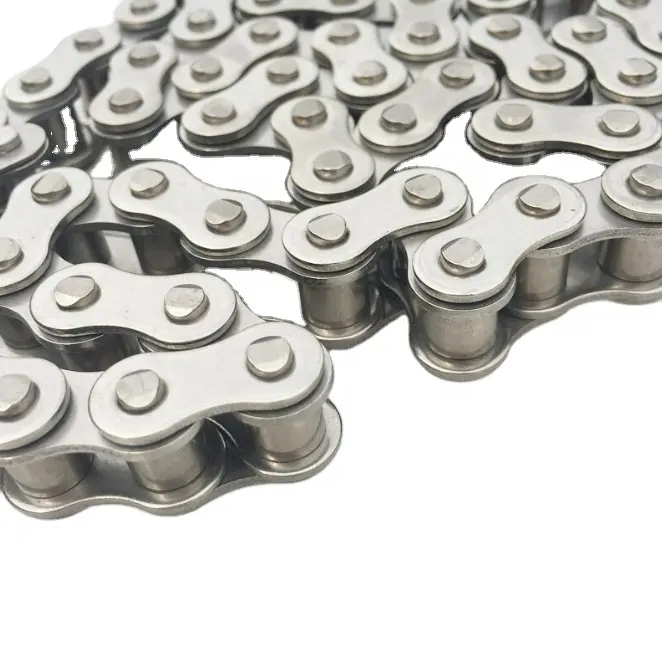
How does the choice of chain tensioner affect the performance of a transmission chain?
The choice of chain tensioner plays a critical role in ensuring the optimal performance of a transmission chain. Here’s a detailed answer to the question:
1. Proper Chain Engagement: The chain tensioner helps maintain the correct tension in the transmission chain, ensuring proper engagement between the chain and the sprockets. This is essential for effective power transmission and smooth operation.
2. Chain Slack Control: A properly selected chain tensioner helps control chain slack, which is the amount of looseness in the chain. Excessive chain slack can lead to chain jumping, misalignment, and increased wear, while insufficient slack can cause excessive tension, leading to accelerated chain and sprocket wear.
3. Noise and Vibration Reduction: The use of an appropriate chain tensioner helps minimize noise and vibration in the transmission system. It helps dampen the impact forces and vibrations caused by the chain’s motion, resulting in quieter operation and improved overall system performance.
4. Extended Chain Life: By maintaining the proper tension, the chain tensioner helps prevent premature wear and elongation of the transmission chain. This contributes to the chain’s longevity, reducing the frequency of chain replacements and lowering maintenance costs.
5. Compensation for Wear and Stretch: As a transmission chain wears over time, it may experience elongation or stretch. The chain tensioner compensates for this elongation by adjusting the tension, ensuring the chain remains properly tensioned and engaged with the sprockets. This helps maintain consistent performance and prevents skipping or disengagement.
6. Adaptability to Variable Conditions: Some chain tensioners offer the ability to adjust the tension dynamically, accommodating variations in operating conditions such as temperature fluctuations or load changes. This flexibility ensures optimal chain performance and compensates for the effects of thermal expansion or contraction.
It’s crucial to select a chain tensioner that is compatible with the specific transmission chain and application requirements. Consider factors such as chain size, tension adjustment range, environmental conditions, and load variations when choosing a chain tensioner. Regular inspection and maintenance of the tensioner are also essential to ensure its proper functioning and prolong the life of the transmission chain.
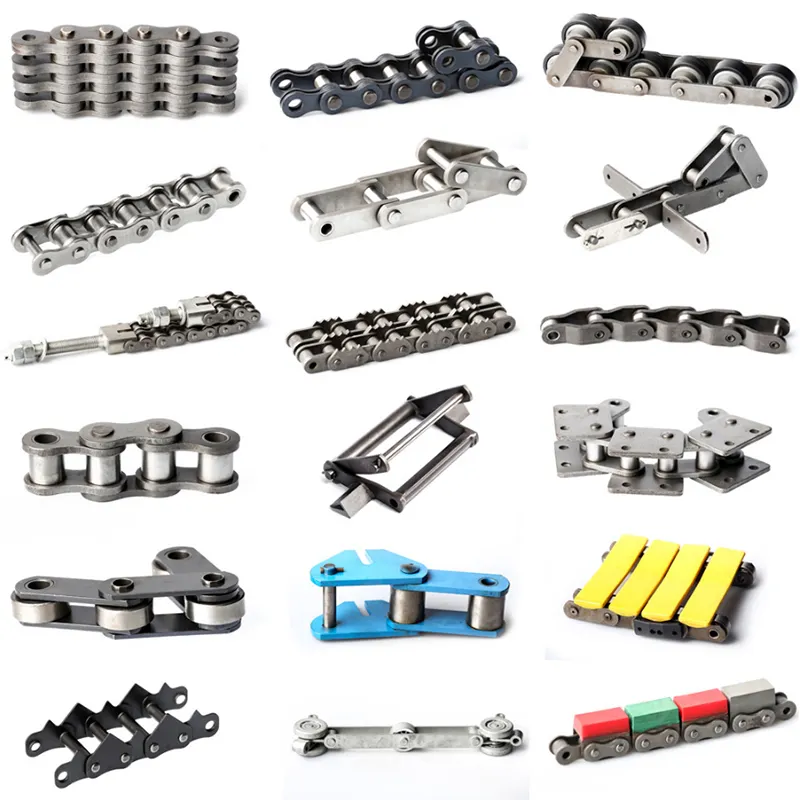
What are the advantages of using a self-cleaning transmission chain?
Using a self-cleaning transmission chain offers several benefits, which are outlined in detail below:
1. Improved Performance: Self-cleaning transmission chains are designed to effectively remove debris, dirt, and contaminants that can accumulate on the chain during operation. By keeping the chain clean, it helps maintain optimal performance and prevents the build-up of debris that can affect the chain’s movement, engagement with sprockets, and overall efficiency.
2. Reduced Maintenance: With a self-cleaning transmission chain, the need for frequent manual cleaning and maintenance is significantly reduced. The chain’s design includes features such as special-shaped plates, curved sidebars, or additional components that actively prevent debris from sticking to the chain or entering its critical areas. This reduces the time and effort required for cleaning and maintenance tasks, resulting in cost savings and improved productivity.
3. Extended Chain Life: The self-cleaning mechanism of these chains helps to prolong their lifespan. By effectively removing debris and preventing the build-up of contaminants, the chain experiences less wear and tear. This leads to reduced chain elongation, minimized internal friction, and decreased risk of premature failure. As a result, the chain’s overall durability and longevity are improved.
4. Enhanced Reliability: Self-cleaning transmission chains contribute to enhanced reliability and consistent performance. The absence of debris build-up ensures smooth engagement with sprockets, preventing chain slippage, jamming, or sudden disruptions in power transmission. The reliable operation of the chain translates to improved uptime, reduced downtime, and increased overall system efficiency.
5. Suitable for Challenging Environments: Industries and applications that operate in environments with high levels of dust, dirt, or other particulate matter benefit greatly from self-cleaning transmission chains. They are commonly used in industries such as agriculture, construction, mining, and material handling, where exposure to challenging environments is prevalent. The self-cleaning feature helps to maintain chain performance and reliability even in these harsh conditions.
It’s important to note that while self-cleaning transmission chains offer significant advantages, regular inspection and maintenance are still necessary to ensure their optimal performance. Monitoring the chain’s condition, applying appropriate lubrication, and addressing any signs of wear or damage are essential for maximizing the benefits of self-cleaning transmission chains and ensuring their long-term reliability.
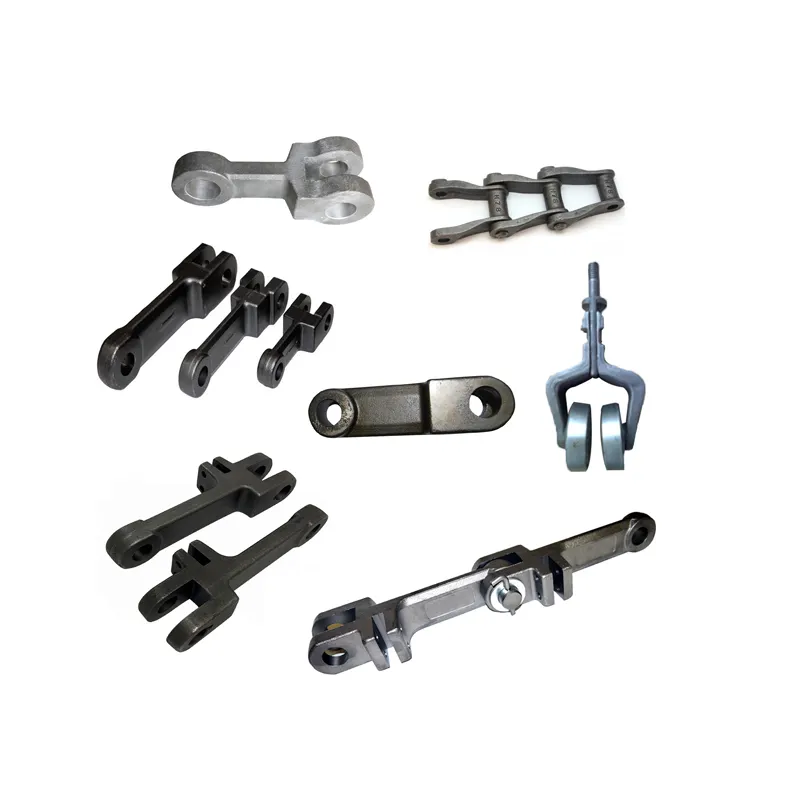
What are the maintenance requirements for transmission chains?
Maintenance plays a crucial role in ensuring the optimal performance and longevity of transmission chains. Here’s a detailed explanation:
1. Regular Inspection: Regular visual inspections should be conducted to check for any signs of wear, damage, or misalignment. Inspect the chain for signs of elongation, corrosion, broken or damaged links, and excessive wear on the sprockets.
2. Lubrication: Proper lubrication is essential to minimize friction, reduce wear, and extend the life of the chain. Follow the manufacturer’s recommendations for the type and frequency of lubrication. Apply lubricant evenly along the entire length of the chain, ensuring that it penetrates between the components.
3. Tensioning: Maintaining the correct tension in the chain is important for smooth operation and to prevent chain slippage. Follow the manufacturer’s guidelines for the recommended tensioning method and the appropriate tension level. Check the tension regularly and adjust as necessary.
4. Cleaning: Regular cleaning helps remove dirt, debris, and contaminants that can accelerate wear and cause chain failure. Use a suitable cleaning agent or solvent to clean the chain, and ensure it is thoroughly dry before applying lubrication.
5. Alignment: Proper alignment between the chain and the sprockets is crucial for smooth operation and to prevent premature wear. Check the alignment regularly and make any necessary adjustments to ensure the chain runs straight and smoothly along the sprockets.
6. Replacement of Worn Components: Over time, transmission chains may experience wear and elongation. It is important to replace worn-out components such as links, pins, and sprockets to maintain the proper functioning of the chain.
7. Environmental Considerations: Consider the operating environment of the transmission chain and take appropriate measures to protect it from corrosive substances, extreme temperatures, or excessive humidity. Apply corrosion-resistant coatings or use stainless steel chains when necessary.
8. Record Keeping: Maintain a record of maintenance activities, including lubrication schedules, tension adjustments, inspections, and component replacements. This record will help track the maintenance history and identify any patterns or issues that may arise.
It is important to consult the manufacturer’s guidelines and recommendations for specific maintenance requirements based on the type and model of the transmission chain. Adhering to proper maintenance practices will help ensure the reliability, performance, and longevity of the transmission chain in various applications.


editor by CX 2024-04-23