
Product Description
The usage:chains for ship
1,Material:high-quality alloy steel
surface treatment:self-color,polishing,blackened,painted,plastic coating,hot-dip galvanize,electro-glavanized,etc.
2.Quality grade:G80
3.Safety factor:min4
4.Product markting:G80 or required by client
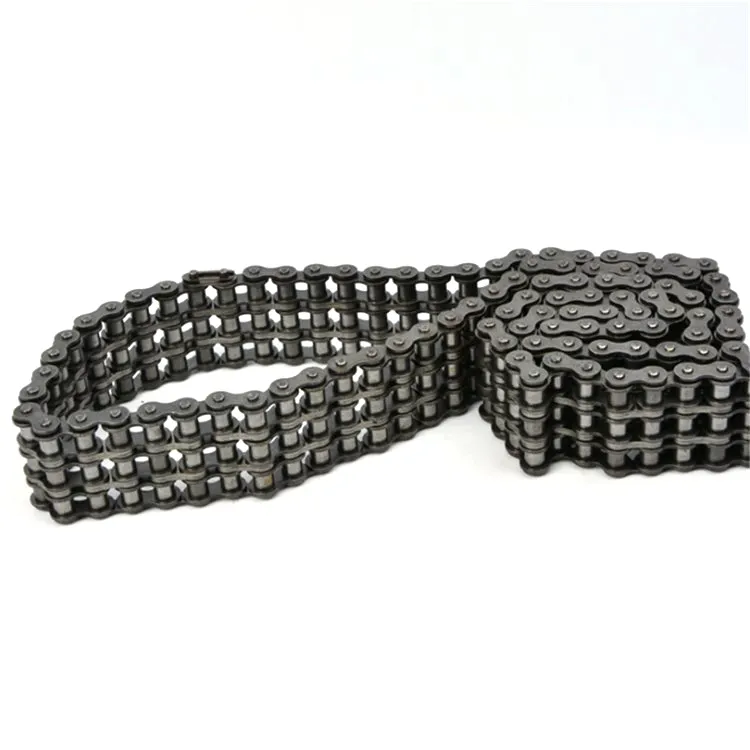
Alloy/Carbon SteelTransmission Chain, Transportation Chain, Dedicated Special Chain, Drag Chain
Weld Link Chain
| SIZE | INSIDE LENGTH | INSIDE WIDTH | OUTSIDE WIDTH | LENGTH PER 11 LINKS | WEIGHT PER 100M | BREAKING LOAD | TEST LOAD | |||
| MM | ±M | MM | ±M | MM | MM | MM | ±M | KG | KG | KN |
| 4 | 0.20 | 16 | 0.30 | 5 | 14 | 176 | 1.60 | 31.3 |
7 | 400 |
| 0.20 | 0.90 | |||||||||
| 5 | 0.20 | 18 | 0.40 | 7 | 18.2 | 198 | 1.80 | 51.4 | 11.8 | 680 |
| 0.20 | 1.00 | |||||||||
| 6 | 0.20 | 21 | 0.50 | 8 | 21.5 | 231 | 2.00 | 74.0 | 16.5 | 850 |
| 0.20 | 1.10 | |||||||||
| 8 | 0.20 | 28 | 0.50 | 11 | 29 | 308 | 2.20 | 131.5 | 32 | 1680 |
| 0.30 | 1.20 | |||||||||
| 10 | 0.30 | 32 | 0.60 | 12 | 36 | 385 | 2.70 | 200 | 50 | 2630 |
| 0.30 | 1.50 | |||||||||
| 12 | 0.30 | 42 | 0.60 | 16 | 41 | 462 | 3.20 | 298 | 70 | 3680 |
| 0.30 | 1.80 | |||||||||
| 13 | 0.40 | 45 | 0.70 | 18 | 47 | 495 | 3.50 | 350 | 80 | 4200 |
| 0.40 | 2.00 | |||||||||
| 14 | 0.45 | 49 | 0.75 | 20 | 48 | 539 | 3.80 | 406 | 92 | 4830 |
| 0.45 | 2.00 | |||||||||
| 16 | 0.50 | 56 | 0.90 | 22 | 58 | 616 | 4.30 | 520 | 125 | 6700 |
| 0.50 | 2.50 | |||||||||
| 18 | 0.80 | 63 | 1.00 | 24 | 65 | 693 | 4.70 | 650 | 160 | 8400 |
| 0.50 | 2.80 | |||||||||
| 20 | 1.00 | 70 | 1.10 | 27 | 72 | 770 | 5.40 | 820 | 200 | 10000 |
| 0.60 | 3.20 | |||||||||
| 23 | 1.20 | 80 | 1.30 | 31 | 83 | 880 | 6.20 | 1100 | 250 | 13000 |
| 0.70 | 3.50 | |||||||||
| 26 | 1.30 | 91 | 1.50 | 35 | 94 | 1001 | 7.00 | 1400 | 320 | 16000 |
Payment
| Payment term | L/C | l/c amount above 40.000 usd,we can accept L/C at sight | |
| T/T |
EXW | 30% T/T in advance,paid the balance before shipment |
|
| FOB | |||
| CIF | 30% T/T in advance,paid the balance against copy of B/L |
||
| cfr(c&f) | |||
| paypal | amount lower than 4000usd |
||
| west | |||
| Delivery time | 15~35days after receiving payment for 1 container |
| We welcome use trade assurance,you`ll enjoy: 100% product quality protection 100% on-time shipment protection 100% payment protection for your covered amount |
/* January 22, 2571 19:08:37 */!function(){function s(e,r){var a,o={};try{e&&e.split(“,”).forEach(function(e,t){e&&(a=e.match(/(.*?):(.*)$/))&&1
| Usage: | Transmission Chain, Drag Chain, Conveyor Chain |
|---|---|
| Material: | Iron |
| Surface Treatment: | Baking Paint |
| Feature: | Heat Resistant |
| Chain Size: | 1/2"*11/128" |
| Structure: | Welded Chain |
| Samples: |
US$ 5/Meter
1 Meter(Min.Order) | |
|---|
| Customization: |
Available
| Customized Request |
|---|

How does the choice of chain attachment affect the functionality of a transmission chain?
The choice of chain attachment plays a critical role in the functionality and performance of a transmission chain. Here’s a detailed answer to the question:
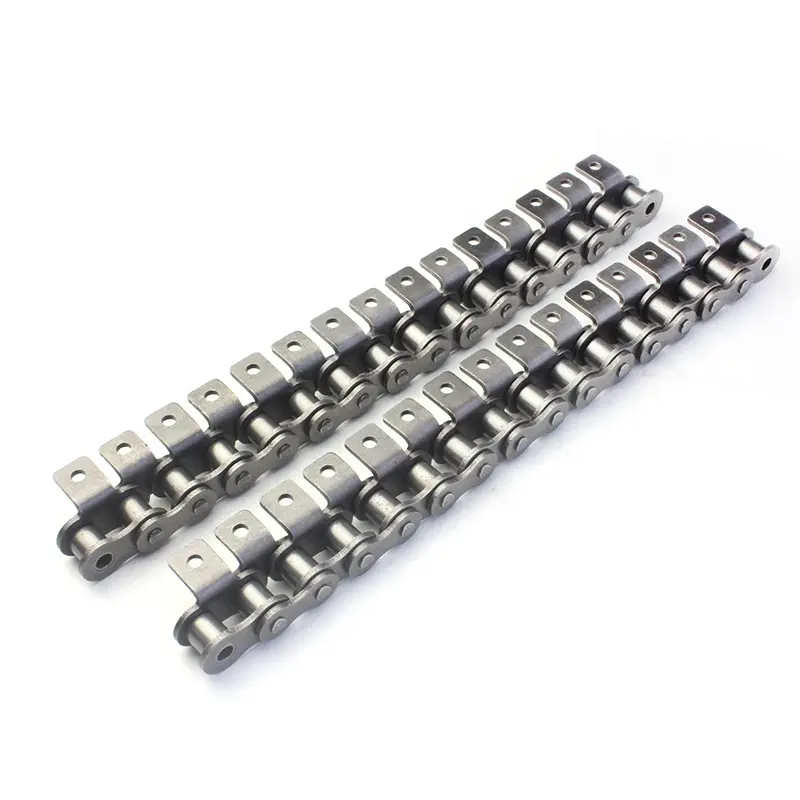
1. Load Capacity: Different chain attachments are designed to handle specific types and amounts of loads. The selection of the appropriate attachment is crucial to ensure that the transmission chain can safely and efficiently carry the intended load. The type of attachment, such as extended pins, cleats, or slats, can determine the chain’s ability to handle heavy or irregular loads.
2. Application Compatibility: The choice of chain attachment should align with the specific application requirements. Different industries and applications may require specialized attachments that are designed to address particular challenges or provide specific functionalities. For example, attachments used in conveying systems may include rollers, flights, or grippers to facilitate smooth material transfer.
3. Alignment and Tracking: Certain chain attachments, such as guide rails or track systems, help to ensure proper alignment and tracking of the transmission chain. These attachments minimize the risk of chain derailment or misalignment, which can lead to operational issues and reduced efficiency.
4. Positioning and Orientation: Some applications require precise positioning or orientation of objects or components. Chain attachments, such as indexing pins or brackets, are designed to facilitate accurate positioning or rotation of objects along the chain’s path. These attachments contribute to the reliable and precise operation of the transmission chain.
5. Material Handling: In material handling applications, chain attachments are often used to secure or hold items during transport. Attachments like hooks, clamps, or brackets enable the secure attachment of objects to the chain, preventing slippage or displacement during movement. This ensures safe and efficient material handling operations.
6. Specialized Functions: Chain attachments can provide additional functions based on specific application requirements. For example, attachments such as sensors, RFID tags, or lubrication reservoirs can be integrated into the chain design to enable monitoring, tracking, or lubrication functions. These specialized attachments enhance the overall functionality and performance of the transmission chain.
It’s important to select the appropriate chain attachment based on the specific application needs, load requirements, and desired functionality. Consulting with industry experts or chain manufacturers can help in determining the most suitable attachment options for optimal transmission chain performance.
What are the advantages of using a flame-retardant transmission chain?
Flame-retardant transmission chains offer specific benefits in certain applications where fire safety is a concern. Here’s a detailed answer to the question:
1. Fire Protection: The primary advantage of using a flame-retardant transmission chain is enhanced fire protection. These chains are designed with materials and coatings that have high resistance to ignition and flame spread. In the event of a fire, they help to minimize the risk of the chain contributing to the spread of flames.
2. Safety: Flame-retardant transmission chains contribute to overall safety in environments where fire hazards are present. By reducing the flammability of the chain, they help prevent the chain from igniting or sustaining a fire, protecting personnel and property.
3. Compliance with Fire Regulations: In industries or applications where fire safety regulations are stringent, using flame-retardant transmission chains ensures compliance with these requirements. It helps to meet the necessary standards and regulations for fire prevention and protection.
4. Extended Escape Time: In situations where personnel may need to evacuate quickly during a fire, flame-retardant transmission chains can provide valuable additional time for safe evacuation. By resisting ignition and flame propagation, they help maintain structural integrity and delay the spread of fire.
5. Property Protection: Flame-retardant transmission chains help protect valuable equipment, machinery, and assets from fire damage. By reducing the risk of the chain catching fire, they minimize the potential for equipment failure and subsequent loss or damage.
It’s important to note that flame-retardant transmission chains may have specific design considerations and limitations. They are typically used in applications where fire safety is critical, such as in transportation systems, aerospace, mining, and other industries where the risk of fire is high. Selecting the appropriate flame-retardant chain requires considering the specific requirements of the application and ensuring compliance with relevant fire safety standards and regulations.
How do you choose the right transmission chain for a specific application?
Choosing the right transmission chain for a specific application is crucial to ensure optimal performance and longevity. Here are the key factors to consider when selecting a transmission chain:
- Load Capacity: Determine the maximum load that the chain will need to transmit. This includes both the static and dynamic loads. Ensure that the selected chain has a sufficient load capacity to handle the application requirements.
- Speed and RPM: Consider the operating speed and rotational speed of the chain. Higher speeds may require chains with improved fatigue resistance and lubrication capabilities.
- Environment: Evaluate the environmental conditions in which the chain will operate. Factors such as temperature, moisture, dust, chemicals, and corrosive agents can impact chain performance. Choose a chain that is resistant to the specific environmental conditions.
- Alignment and Tension: Ensure proper alignment and tensioning of the chain. Misalignment and improper tension can lead to premature wear and failure. Select a chain that allows for proper adjustment and maintains optimal tension during operation.
- Maintenance: Consider the maintenance requirements of the chain. Some chains may require regular lubrication, while others may be self-lubricating or maintenance-free. Evaluate the available resources and the desired level of maintenance for the application.
- Compatibility: Ensure compatibility between the chain and other components in the transmission system, such as sprockets or gears. The chain should match the tooth profile and pitch of the mating components.
- Manufacturer’s Recommendations: Consult the manufacturer’s guidelines and recommendations for selecting the appropriate chain for specific applications. Manufacturers often provide detailed specifications, load charts, and application guidelines for their chains.
By considering these factors and consulting with chain manufacturers or industry experts, you can choose the right transmission chain that meets the specific requirements of your application, ensuring reliable and efficient operation.


editor by CX 2024-04-26