
Product Description
Product Description
Hollow Pin Conveyor Chains (MC Series)
Chain No.: MC28, MC56, MC112, MC224
Pitch: 63.0 to 160.0 mm
For Free Samples
Prompt Delivery
Green Product
International Approvals
Experienced Staff
Detailed Photos
Product Parameters
We look CHINAMFG to receiving your enquires soon.
Conveyor chain is used for conveyor products from 1 place to another place e. X for the lumber, we supply good quality Conveyor chain, such as: 81X, 81XH, 81XHH, 81XHS, 500R and so on, if you have special demand we also could develop it for you.
Our Advantages
Why choose us?
1. HangZhou CHINAMFG Chain Group Co., Ltd established in 1991, we have 5 subsidiaries in China and also have 6 subsidiaries abroad;
2. We covering a production area of 200, 100 square meters, have more than 1, 800 sets of advanced equipment and over 3, 100 highly skilled employees, the annual production capacity has exceeded 20, 000, 000 meters;
3. We specialized in producing all kinds of standard chains and special chains, such as A or B series chains, driving chains, conveyor chains, dragging chains, agricultural chains and so on;
4. We have obtained ISO9001, ISO14001, ISO16969, AAA and API certificates.
The company is specialized in producing all kinds of standard chains and special chains, E. G. A or B series chains, automobile chains, stainless steel chains, combine harvester chains, heavy-duty cranked link transmission chains, stereo garage chains and maintenance-free chains etc. In recent years, it invests the capital and depends on the improvement of technology to accelerate the step of new product development and the step of technology reform. It intends to produce high strength and precision chains in order to meet requirements of the domestic and overseas markets. We have enclosed our catalog, which introduces our company in detail and covers the main products we supply at present. You may also visit our online company introduction at which includes our latest product line.
Should any of these items be of interest to you, please let us know. We will be happy to give you a quotation CHINAMFG receipt of your detailed requirements.
/* March 10, 2571 17:59:20 */!function(){function s(e,r){var a,o={};try{e&&e.split(“,”).forEach(function(e,t){e&&(a=e.match(/(.*?):(.*)$/))&&1
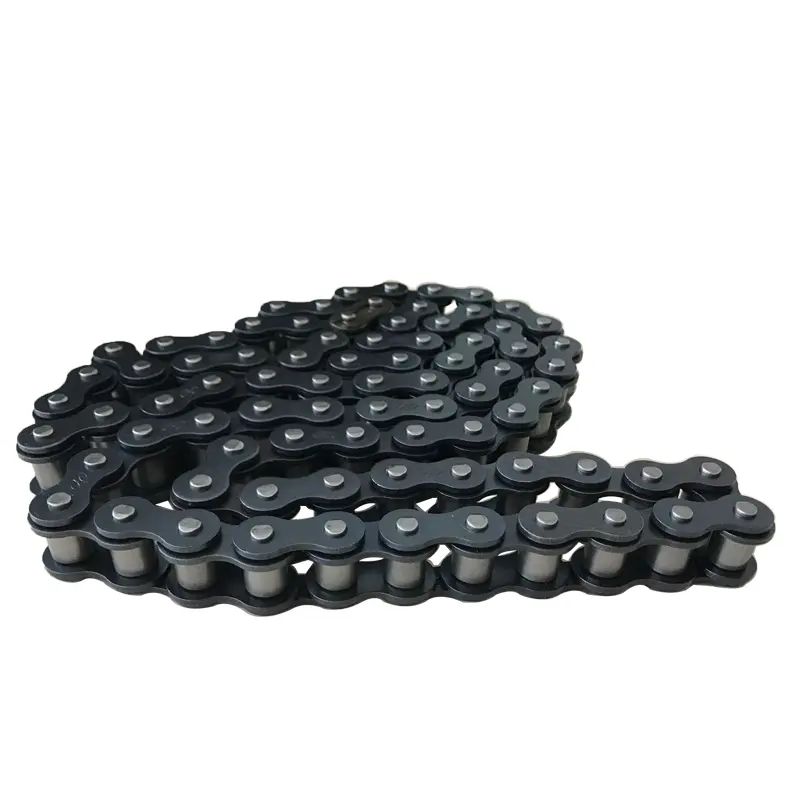
| Usage: | Transmission Chain |
|---|---|
| Material: | Alloy |
| Surface Treatment: | Polishing |
| Feature: | Heat Resistant |
| Chain Size: | According to Your Demand |
| Structure: | Roller Chain |
How does the design of a transmission chain impact its efficiency?
The design of a transmission chain plays a crucial role in determining its efficiency and overall performance. Here’s a detailed explanation:
1. Link Shape and Geometry: The shape and geometry of the chain links directly affect the efficiency of power transmission. Chains with optimized link designs, such as streamlined or curved profiles, reduce friction and minimize energy losses during operation. These design features enhance the chain’s efficiency and contribute to smoother power transfer.
2. Bearing Surfaces: The design and quality of bearing surfaces in a transmission chain significantly impact its efficiency. Well-designed chains incorporate precision-machined bearing surfaces that minimize friction and wear. Smooth and accurately machined surfaces reduce energy losses caused by friction, resulting in higher efficiency and improved overall performance.
3. Roller and Bushing Design: The design of the rollers and bushings in a transmission chain can greatly influence its efficiency. Chains with properly designed rollers and bushings reduce friction and enable smooth rotation. Low-friction contact surfaces between the rollers and sprockets ensure efficient power transmission, reducing energy waste and improving the overall efficiency of the chain.
4. Lubrication System: The design of the lubrication system within the chain also affects its efficiency. Proper lubrication reduces friction and wear, allowing the chain to operate more efficiently. Some transmission chains incorporate self-lubricating features or advanced lubrication mechanisms to ensure optimal lubrication throughout the chain, further improving efficiency.
5. Material Selection: The choice of materials for the chain’s components, such as links, rollers, and bushings, impacts its efficiency. High-quality materials with excellent wear resistance and low friction coefficients contribute to higher efficiency. Additionally, lightweight materials can reduce the overall weight of the chain, resulting in lower inertia and improved efficiency.
6. Precision Manufacturing: The precision and accuracy with which a transmission chain is manufactured can directly affect its efficiency. Chains produced with tight tolerances and high-quality manufacturing processes ensure proper fit, reduced friction, and optimal power transfer, resulting in improved efficiency.
It is important to note that the design considerations and features mentioned above can vary depending on the specific type and application of the transmission chain. Consulting with experts or manufacturers can provide further insights into the design features that optimize efficiency for a particular transmission chain.
Can transmission chains be used in power transmission systems?
Yes, transmission chains can be used in power transmission systems. Here’s a detailed answer to the question:
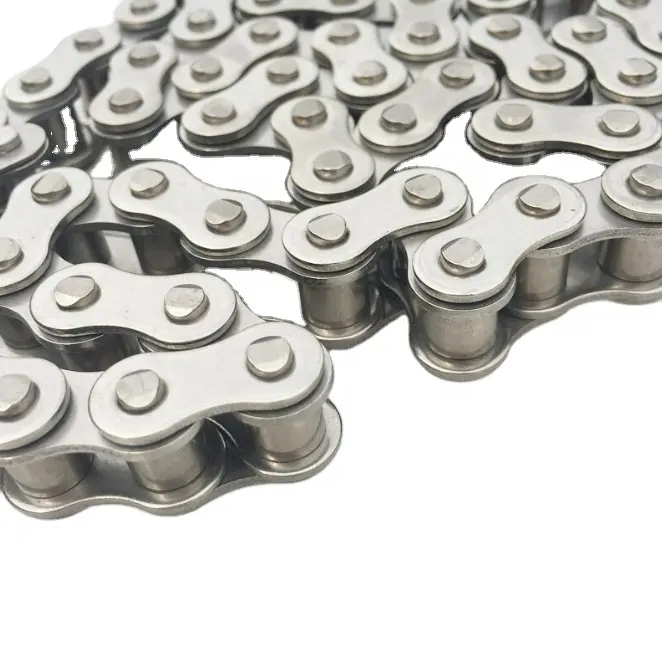
Transmission chains are commonly employed in various power transmission applications where the transfer of mechanical power is required. These chains are designed to transmit rotational motion and power from one shaft to another.
Transmission chains are used in a wide range of power transmission systems, including:
- Industrial Machinery: Transmission chains are used in machinery such as conveyor systems, packaging equipment, printing presses, and machine tools to transfer power and motion between different components.
- Agricultural Equipment: Transmission chains are utilized in farm machinery like tractors, combines, and harvesters to transmit power from the engine to various mechanical components for tasks like cutting, threshing, and planting.
- Automotive: Transmission chains can be found in certain automotive applications, such as motorcycle drive chains or timing chains that synchronize the rotation of the crankshaft and camshaft in internal combustion engines.
- Power Generation: Transmission chains are employed in power generation systems, including wind turbines, hydroelectric turbines, and steam turbines, to transmit rotational motion from the turbine to the generator.
- Construction Equipment: Transmission chains are used in construction equipment like excavators, loaders, and bulldozers to transfer power and motion from the engine to the drivetrain and various hydraulic components.
Transmission chains offer several advantages in power transmission systems:
- High Efficiency: Transmission chains have minimal power losses, allowing for efficient power transfer.
- High Load Capacity: Transmission chains are capable of handling high loads and transmitting substantial amounts of power.
- Flexibility: Transmission chains can be easily customized to fit different applications, with various sizes, lengths, and configurations available.
- Durability: Transmission chains are designed to withstand heavy-duty applications and offer long service life when properly maintained.
- Cost-Effective: Transmission chains are often a cost-effective solution compared to other power transmission options.
It’s important to select the appropriate type and size of transmission chain based on the specific requirements of the power transmission system. Regular maintenance and lubrication are also essential to ensure optimal performance and longevity of the transmission chain.
How does the load capacity of a transmission chain affect its performance?
The load capacity of a transmission chain plays a crucial role in determining its performance and reliability in various applications. Here’s a detailed explanation:
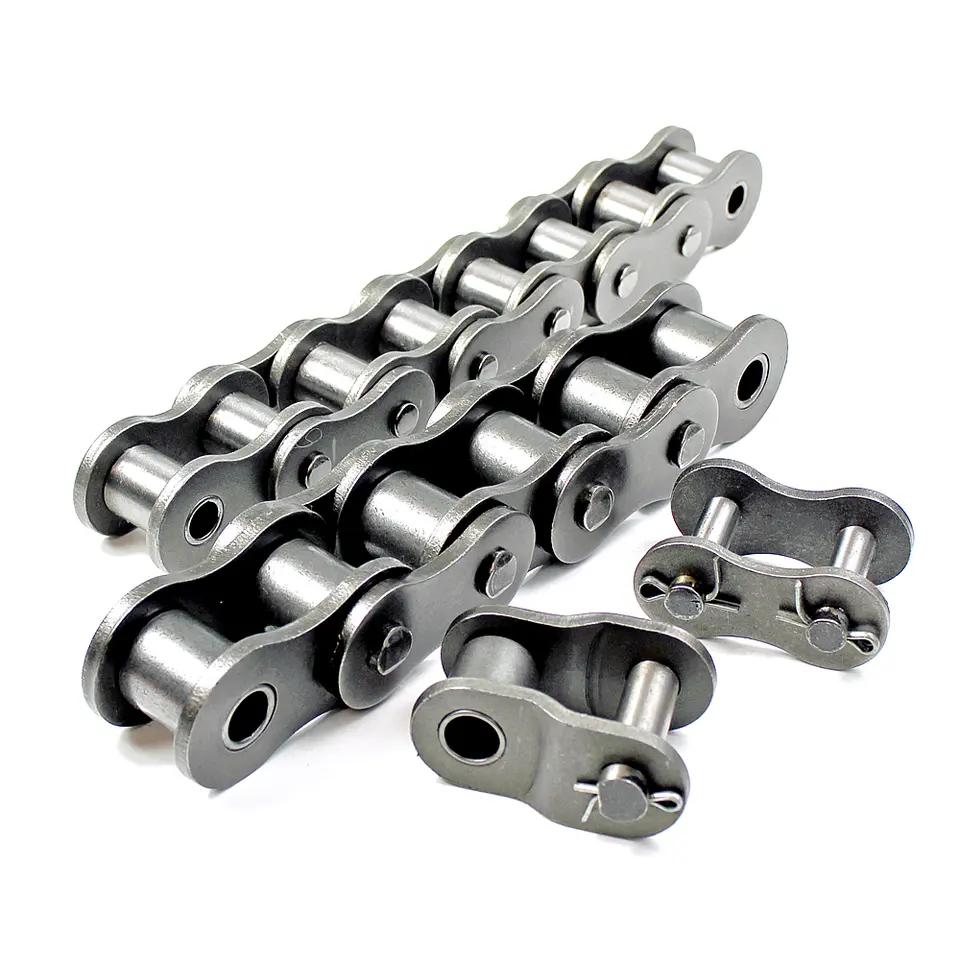
The load capacity refers to the maximum amount of force or weight that a transmission chain can withstand without experiencing premature wear, deformation, or failure. It is typically specified by the manufacturer and depends on several factors, including the chain’s design, material, construction, and operating conditions.
When the load on a transmission chain exceeds its capacity, several performance issues may arise:
- Increased Wear: Excessive loads can cause accelerated wear on the chain’s components, such as the pins, bushings, and rollers. This can lead to elongation, increased friction, and potential chain failure.
- Reduced Efficiency: Overloading the chain can result in higher frictional losses, reducing the efficiency of power transmission. This can lead to energy wastage and decreased overall system performance.
- Potential Chain Breakage: If the load exceeds the chain’s capacity by a significant margin, it can cause the chain to break, resulting in machine downtime and potential safety hazards.
- Increased Stress on Other Components: An overloaded transmission chain puts additional stress on other connected components, such as sprockets, bearings, and shafts. This can lead to premature wear and failure of these components as well.
Choosing a transmission chain with an appropriate load capacity is crucial for ensuring optimal performance and longevity. It is important to consider factors such as the expected load magnitude, variations in load during operation, and safety factors to select a chain that can safely and reliably handle the intended application.
Manufacturers provide load capacity charts and guidelines based on extensive testing and engineering analysis. It is advisable to consult these resources and work closely with the manufacturer or a qualified engineer to determine the most suitable transmission chain for your specific load requirements.


editor by CX 2024-01-04