Product Description
Product Description
Introduction of Pallet Roller Conveyor
CZPT Pallet Conveyor System, Automatic Pallet Transfer / Chain / Turntable / Roller Conveyor is a common piece of mechanical handing equipment that moves material from 1 location to another .Conveyors are especialy useful in application involving the transportation of heavy pallets or goods .It is widely used in various areas.
Application of Pallet Roller Conveyor
High Quality Cheap Price Pallet Roller Conveyor. Roller conveyor is suitable for conveying the material which has a flat bottom. It has advantages of large conveying capacity,high speed , strong load capacity. It is easy to connect roller conveyors. Several roller lines and other conveying devices can be assembled into complicated logistics transport system to meet the technical requirements in many fields. The roller conveyor is classified by form of layout: horizontal conveying, turning conveying, incline conveying.
| customized | support |
| after-sale service | support |
| Sample service | Not Supported |
Company Profile
HangZhou CZPT has been established in 2008, which specialized in plHangZhou, R&D and manufacturing of automatic packaging production line. Such as automatic carton packing line,shrinking wrapping line, fully automatic pallet strapping line,conveyor system,robot palletizer and so on……
Ausense main brand is YUPACK. All products have passed the CE certification of the European Union; Our productions have beening exported to Europe, North America, the Middle East, Southeast Asia and more than 100 other Countries.
Since 2017, HangZhou CZPT had successfully introduced robots into our end of packaging production line which can effectively integrat
Our Advantages
1, Our Quality Guarantee Period is for 1 year;
2, Oversea Engineer service is available;
3, We can supply Technical Support by phone, email or video all the time.
4, We promise our customers that if there is something wrong with the product within the Guarantee Period, we will repair the products within 10 days or return money or re-produce the products with no charge.
5, World Market Our products are sold all over the world, including North and South America, Brazil, Pakistan, Kyrghyzstan, Australia, Turkey, Canada, Russia etc.
FAQ
Q1: May I know how soon I can get the machine after I transfer the deposit?
A1: Usually,If the machine you required is standard type, we can ship it immediately. Welcome customized type,the which leading time is about 20-25workingdays .
Q2: Could you help me load other goods into container together?
A2:Yes ,of course. If most products buy from us ,and also buy other products from other supplier ,you can ask other supplier send products to our factory (HangZhou city ,ZheJiang province). we help you load all products into 1 container,and arrange everything.
Q3: How do I inspect machine’s quality once the machine finished?
A3: We did video call at our workshop with our customer to do site inspection by zoom,Microsoft ,Teamviewer,whatspp , and .
/* March 10, 2571 17:59:20 */!function(){function s(e,r){var a,o={};try{e&&e.split(“,”).forEach(function(e,t){e&&(a=e.match(/(.*?):(.*)$/))&&1
| After-sales Service: | Online Support |
|---|---|
| Warranty: | 1 Year |
| Structure: | Roller Conveyor |
| Customization: |
Available
| Customized Request |
|---|
.shipping-cost-tm .tm-status-off{background: none;padding:0;color: #1470cc}
|
Shipping Cost:
Estimated freight per unit. |
about shipping cost and estimated delivery time. |
|---|
| Payment Method: |
|
|---|---|
|
Initial Payment Full Payment |
| Currency: | US$ |
|---|
| Return&refunds: | You can apply for a refund up to 30 days after receipt of the products. |
|---|
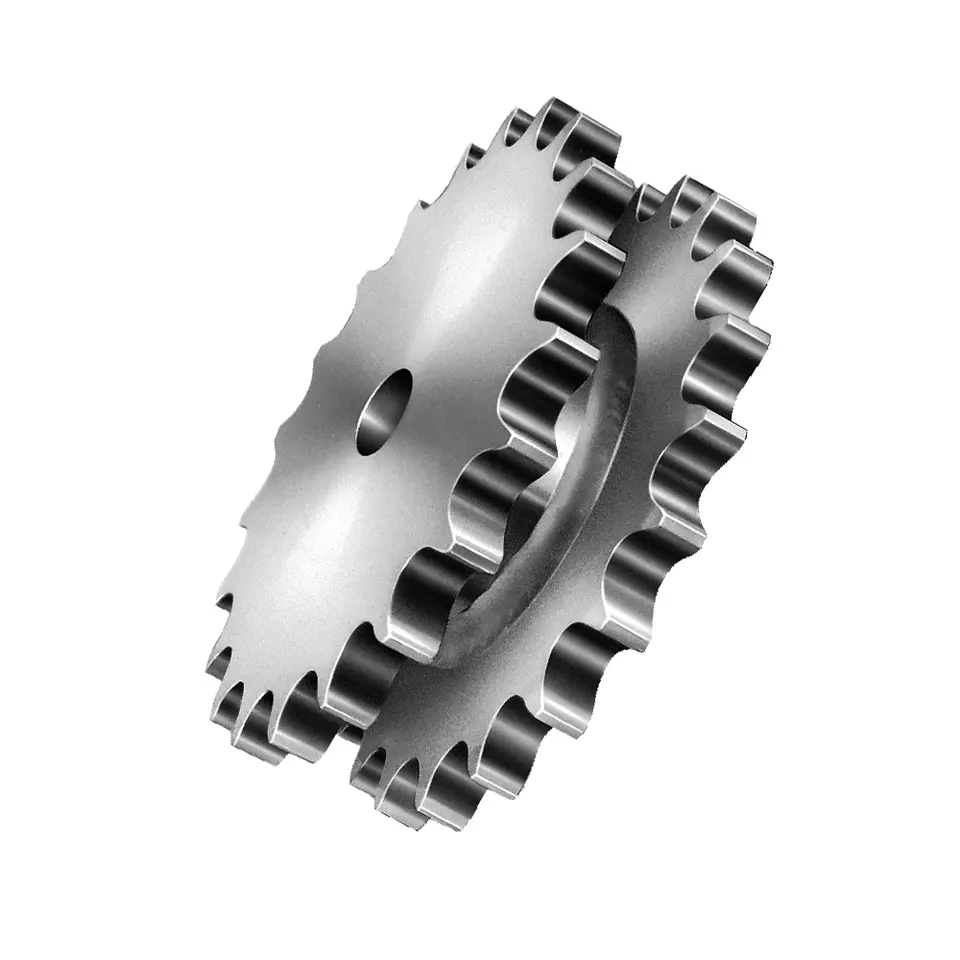
How to Identify and Troubleshoot Common Issues with Wheels and Sprockets
Identifying and troubleshooting common issues with wheels and sprockets can help you maintain their proper functioning and prevent potential problems. Here are some steps to follow:
- Abnormal Noise: If you notice unusual noise during operation, it could indicate misalignment, worn sprockets, or a loose chain. Check for any loose bolts or fasteners and ensure proper alignment of the sprockets.
- Chain Slippage: Chain slippage can occur due to insufficient tension or worn-out sprocket teeth. Check the chain tension and adjust it to the recommended level. Inspect the sprocket teeth for signs of wear and replace them if necessary.
- Uneven Wear: Uneven wear on the sprocket teeth can be a result of misalignment or a worn-out chain. Check the alignment of the sprockets and adjust as needed. If the chain is stretched or has damaged links, replace it with a new one.
- Excessive Vibration: Excessive vibration may be caused by imbalanced wheels or misaligned sprockets. Check for any bent or damaged wheels and ensure proper alignment of the sprockets.
- Chain Skipping: If the chain skips over the sprocket teeth during operation, it could be due to worn sprocket teeth or a loose chain. Inspect the sprocket teeth for signs of wear and replace them if necessary. Adjust the chain tension to the proper level.
- Chain Jamming: Chain jamming can occur if there is debris or dirt between the chain and sprockets. Clean the chain and sprockets thoroughly to remove any obstructions.
- Excessive Chain Wear: Regularly inspect the chain for signs of wear, such as elongation, damaged links, or rust. Replace the chain if it is significantly worn to avoid damage to the sprockets.
- Overheating: Overheating can be caused by high friction between the chain and sprockets or improper lubrication. Ensure proper lubrication and check for any misalignment or tight spots in the system.
By identifying these common issues and performing regular inspections, you can troubleshoot problems early on and take appropriate corrective measures, ensuring the smooth operation and longevity of the wheel sprocket assembly.
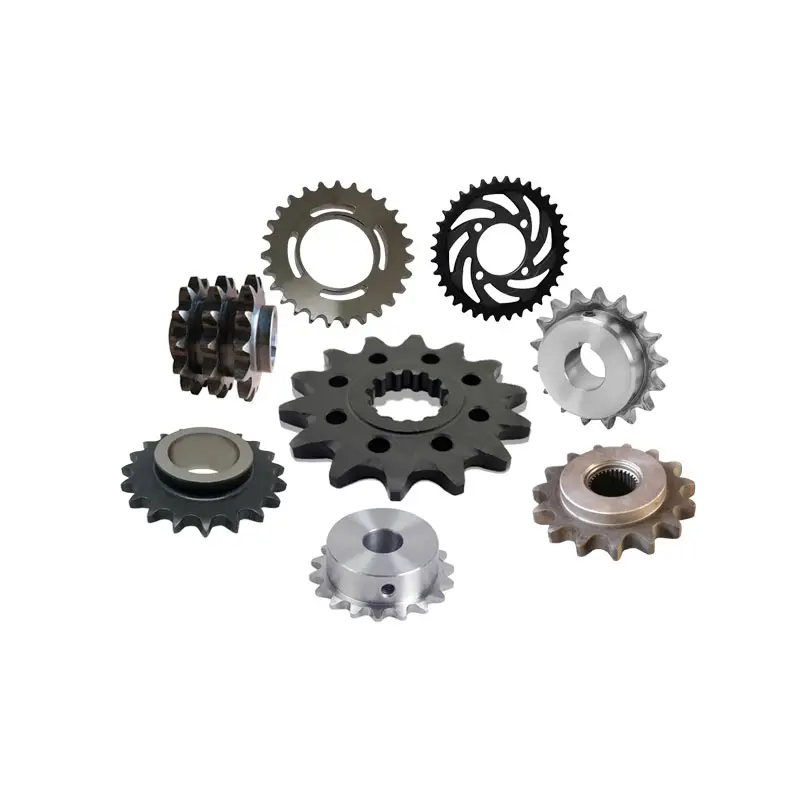
Extending the Lifespan of a wheel sprocket Assembly
To ensure a long lifespan for your wheel sprocket assembly, consider the following maintenance and operational practices:
- Regular Lubrication: Apply the appropriate lubricant to the sprocket teeth and chain or belt regularly. Lubrication reduces friction, wear, and the likelihood of premature failure.
- Proper Tension: Maintain the correct tension in the chain or belt to prevent excessive stress and wear. Follow the manufacturer’s guidelines for tensioning.
- Alignment: Ensure precise alignment between the wheel sprocket. Misalignment can cause accelerated wear and increase the risk of failure.
- Inspections: Regularly inspect the wheel, sprocket, chain, or belt for signs of wear, damage, or fatigue. Replace any worn-out or damaged components promptly.
- Cleanliness: Keep the wheel sprocket assembly clean from dirt, debris, and contaminants that can contribute to wear and corrosion.
- Correct Usage: Operate the machinery within the recommended speed, load, and temperature limits specified by the manufacturer.
- Training and Operator Awareness: Ensure that equipment operators are properly trained to use the machinery correctly and are aware of maintenance procedures.
- Use Quality Components: Invest in high-quality wheels, sprockets, chains, or belts from reputable suppliers to improve durability and reliability.
- Replace Components in Sets: When replacing parts, consider replacing the entire set (e.g., chain and sprockets) to maintain uniform wear and performance.
- Address Vibration Issues: Excessive vibration can accelerate wear. Investigate and address any vibration problems promptly.
By following these practices, you can significantly extend the lifespan of your wheel sprocket assembly, reduce downtime, and enhance the overall efficiency and safety of your machinery.
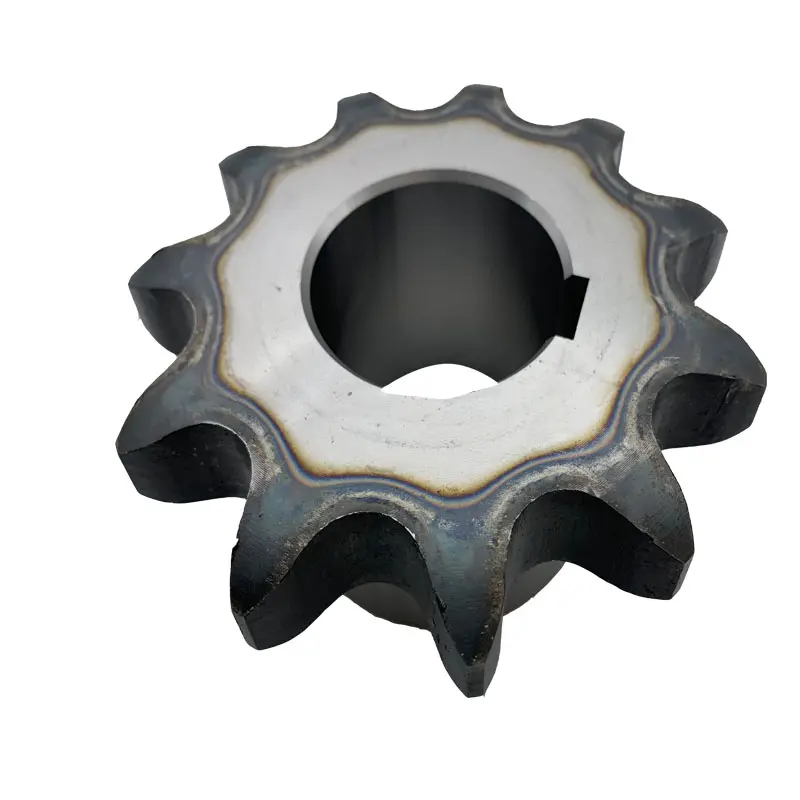
How Does a wheel sprocket Assembly Transmit Power?
In a mechanical system, a wheel sprocket assembly is a common method of power transmission, especially when dealing with rotary motion. The process of power transmission through a wheel sprocket assembly involves the following steps:
1. Input Source:
The power transmission process begins with an input source, such as an electric motor, engine, or human effort. This input source provides the necessary rotational force (torque) to drive the system.
2. Wheel Rotation:
When the input source applies rotational force to the wheel, it starts to rotate around its central axis (axle). The wheel’s design and material properties are essential to withstand the applied load and facilitate smooth rotation.
3. Sprocket Engagement:
Connected to the wheel is a sprocket, which is a toothed wheel designed to mesh with a chain. When the wheel rotates, the sprocket’s teeth engage with the links of the chain, creating a positive drive system.
4. Chain Rotation:
As the sprocket engages with the chain, the rotational force is transferred to the chain. The chain’s links transmit this rotational motion along its length.
5. Driven Component:
The other end of the chain is connected to a driven sprocket, which is attached to the component that needs to be powered or driven. This driven component could be another wheel, a conveyor belt, or any other machine part requiring motion.
6. Power Transmission:
As the chain rotates due to the engagement with the sprocket, the driven sprocket also starts to rotate, transferring the rotational force to the driven component. The driven component now receives the power and motion from the input source via the wheel, sprocket, and chain assembly.
7. Output and Operation:
The driven component performs its intended function based on the received power and motion. For example, in a bicycle, the chain and sprocket assembly transmit power from the rider’s pedaling to the rear wheel, propelling the bicycle forward.
Overall, a wheel sprocket assembly is an efficient and reliable method of power transmission, commonly used in various applications, including bicycles, motorcycles, industrial machinery, and conveyor systems.


editor by CX 2024-01-15