Product Description
Factory Manufactory Industrial Large Conveyor Chain Ca550 Agricultural Machine Chain Drive Wheel Hub Agricultural
Products Description
Stainless steel chains are widely used in food processing, pharmaceutical, chemical production, rubber processing, non-ferrous metal smelting, electronic equipment, environmental protection equipment and heat treatment equipment and other fields of mechanical transmission and conveying equipment.
Traction chains are widely used in forklifts, CHINAMFG stackers, textile machinery, parking garages, drilling rigs, aerial work platforms, pipe benders, etc.
Drive chains are mainly used to transmit power and are widely used in agricultural machinery, construction machinery, escalator drive, logistics and packaging machinery industries.
Conveyor chain is widely used in food, wood and paper, logistics, packaging machinery, building materials machinery, environmental protection equipment and other industries for material conveying
Details Images
Agricultural Machinery Chain
Agricultural machinery chains are mainly used in rice, wheat, corn, cotton and other agricultural machinery to provide driving and conveying functions to realize the mechanization of the whole process of agricultural production from plowing, sowing to harvesting.
Conveyor chain
Conveyor chain products are characterized by high strength, wear resistance, high precision, corrosion resistance, temperature resistance, etc. to meet the needs of efficient, smooth and reliable conveying
Drive chains
The transmission chain adopts high-quality raw materials and advanced technology to develop a series of high-end chain transmission products with high wear resistance, high fatigue strength and high precision.
Product Paramenters
Company Profile
SFR Chain Group has been excelling at manufacturing and innovating motorcycle and industrial chain since 1991,always focusing on high quality and innovation to stay in the pole position of the industry.
SFR operates 4 fully owned factories and 1 joint venture, certified by ISO9002, ISO9001 and ISO/TS16949 Quality Management System.
SFR offers over 2000 series, which are exported to over 60 countries all over the World, and are widely used in variety of fields. Such as agricultural machines, motorcycles, metallurgy, wood processing, or food and beverage processing, among others. We at SFR Chain always adhere to the group’s spirit of integrity, efficiency and innovation:”We strive to offer the best products and service to our customers”
SFR is a global professional supplier focusing on chain drive solutions, with famous chain drive brands such as SFR, SUNFUN, MOTOMAX, EP and TVH.
Our commitment to R&D led SFR to establish atable cooperation with several ell-known universities and research institutes in China, as well as setting up an Intelligent Chain Drive Research Center within the group, altogether resulting in its more than 70 patents. This allows us to offer the widest range of power transmission and conveyor chain at the most competitive prices.
Since 1991, it has become a leading company in the chain industry with 5 production bases, about 110,000 square CHINAMFG of factory space, more than 180 patents, more than 2,000 chain varieties, more than 8,000 product specifications,exports to more than 80 countries worldwide. Products are widely used in many fields such as logistics and conveying, food industry, petroleum industry, engineering machinery, lifting equipment, packaging machinery processing, environmental protection equipment, tobacco machinery, etc.
Factory equipment
SFR will continue to increase the investment in manufacturing, R&D, follow the wave of Industry 4.0, continuously improve the company’s technology, product, marketing and brand power, enhance the company’s comprehensive strength, and provide customers with better chain drive solutions.
High-speed punching of industrial chain plates Automatic high-speed punching, high efficiency, high precision, and good sound insulation and environmental protection measures.
Motorcycle chain automatic assembly line The chain automatic assembly line integrates the processes of parts loading, chain assembly, automatic detection, pre-stretching, head riveting, and oiling to achieve the real automatic and efficient agricultural chain automatic assembly.
Automatic assembly line for agricultural chains Using the design of electromechanical integration, the mechanical mold and pneumatic and hydraulic parts are effectively combined together to realize the automatic assembly of complex structure chains.
Testing Machine
SFR Chain currently has 5 manufacturing plants covering over 50,000 square CHINAMFG and employing nearly 1,000 people. We bring in top talent and some of the manufacturing equipment used for manufacturing and inspection to provide the highest quality standards and create effective economies of scale.
Recommend Products
/* January 22, 2571 19:08:37 */!function(){function s(e,r){var a,o={};try{e&&e.split(“,”).forEach(function(e,t){e&&(a=e.match(/(.*?):(.*)$/))&&1
| Standard or Nonstandard: | Standard |
|---|---|
| Application: | Textile Machinery, Garment Machinery, Conveyer Equipment, Packaging Machinery, Electric Cars, Motorcycle, Food Machinery, Marine, Mining Equipment, Agricultural Machinery, Car |
| Surface Treatment: | Electroplating, Zinc Plating |
| Structure: | Roller Chain, Hollow Chain |
| Material: | Stainless Steel, Alloy |
| Type: | Roller Chain, Double Pitch Chain |
| Samples: |
US$ 2/Piece
1 Piece(Min.Order) | |
|---|
| Customization: |
Available
| Customized Request |
|---|
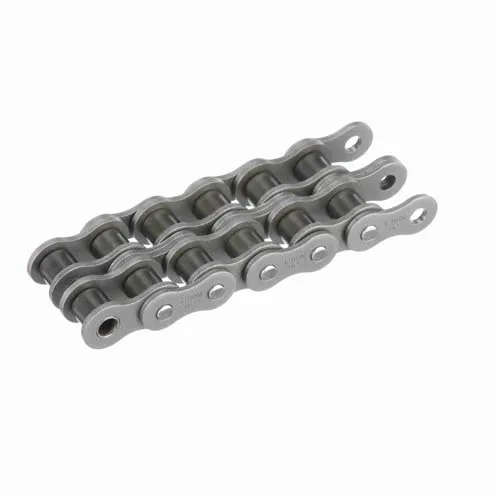
What are the considerations for selecting a low-maintenance conveyor chain?
When selecting a low-maintenance conveyor chain, several considerations should be taken into account:
1. Material Selection:
– Choose a conveyor chain made from materials that are resistant to wear, corrosion, and contamination. Stainless steel, plastic, or self-lubricating chains are commonly used for their durability and low maintenance requirements.
2. Lubrication-Free Design:
– Look for conveyor chains that have a self-lubricating design or are pre-lubricated with materials that reduce friction and eliminate the need for additional lubrication. This helps to minimize maintenance tasks associated with regular lubrication.
3. Sealed Construction:
– Consider conveyor chains with sealed construction to prevent the ingress of dirt, debris, and moisture. Sealed chains require less frequent cleaning and maintenance, making them ideal for low-maintenance applications.
4. Easy Cleaning:
– Opt for conveyor chains that are designed for easy cleaning. Smooth surfaces, open structures, and accessible components allow for quick and efficient cleaning, reducing maintenance time and effort.
5. Resistance to Contamination:
– Select a conveyor chain that is resistant to contamination. This includes resistance to chemicals, oils, greases, and other substances commonly found in the application environment. Chains that can withstand contamination require less frequent cleaning and maintenance.
6. Wear Monitoring:
– Look for conveyor chains that have wear monitoring features, such as wear indicators or sensors. These features help to identify chain wear and provide timely maintenance alerts, allowing for proactive replacement or adjustment.
7. Manufacturer Support:
– Consider the support provided by the chain manufacturer. A reputable manufacturer will offer guidance on maintenance intervals, replacement schedules, and provide technical assistance to ensure the proper functioning of the chain.
By considering these factors, you can select a low-maintenance conveyor chain that minimizes the need for frequent inspections, lubrication, cleaning, and replacement, resulting in reduced maintenance efforts and costs.
What are the benefits of using stainless steel conveyor chains?
Stainless steel conveyor chains offer several advantages over other types of chains. Here are some of the key benefits:
1. Corrosion Resistance: Stainless steel is highly resistant to corrosion, making it suitable for applications in harsh environments or industries where frequent washdowns or exposure to moisture is required. It does not rust or corrode like other metals, ensuring a longer lifespan and reliable performance.
2. Strength and Durability: Stainless steel chains are known for their high strength and durability. They can withstand heavy loads, high temperatures, and abrasive materials without deformation or breakage. This makes them ideal for heavy-duty applications where reliability and longevity are crucial.
3. Hygienic and Sanitary: Stainless steel is a non-porous material that is easy to clean and maintain. It is resistant to bacteria, mold, and other contaminants, making it suitable for industries with strict hygiene requirements such as food processing, pharmaceuticals, and medical devices. Stainless steel chains can be thoroughly cleaned and sanitized, reducing the risk of product contamination.
4. Temperature Resistance: Stainless steel chains can withstand a wide range of temperatures, both high and low. They exhibit excellent heat resistance, allowing them to maintain their strength and performance even in extreme temperature conditions.
5. Aesthetic Appeal: Stainless steel chains have a sleek and polished appearance, adding a professional and aesthetic touch to the conveyor system. They are commonly used in industries where visual appeal and brand representation are important, such as retail or luxury goods.
6. Chemical Resistance: Stainless steel is resistant to various chemicals, including acids, alkalis, and solvents. This makes it suitable for applications where contact with corrosive substances is likely.
7. Compatibility with High-Speed Applications: Stainless steel chains can withstand high-speed operations without compromising their structural integrity or performance. They maintain their stability and accuracy even at elevated speeds.
Overall, stainless steel conveyor chains offer corrosion resistance, strength, durability, hygienic properties, temperature resistance, aesthetic appeal, chemical resistance, and compatibility with high-speed applications. These benefits make them a preferred choice in industries such as food and beverage, pharmaceuticals, automotive, and manufacturing, where reliability, cleanliness, and performance are essential.
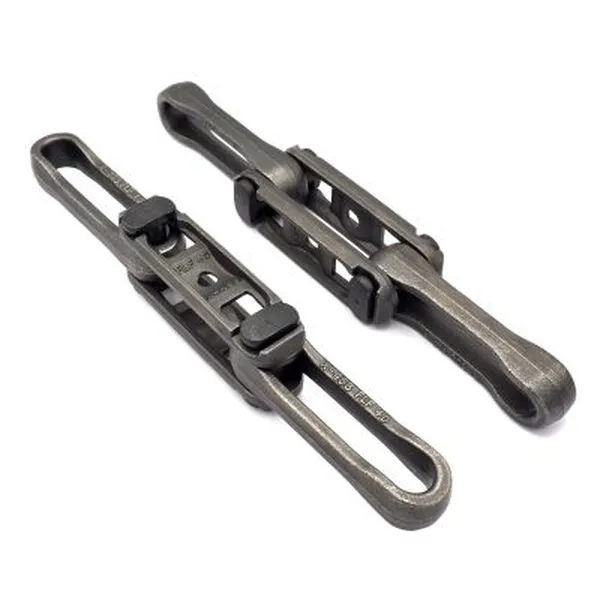
How can you prevent conveyor chain failures?
Preventing conveyor chain failures is crucial for maintaining the efficiency and reliability of a conveyor system. Here are some key preventive measures:
- Regular Inspection and Maintenance: Implement a routine inspection and maintenance schedule to identify potential issues before they escalate. Regularly inspect the chain for signs of wear, such as elongation, link plate wear, and sprocket tooth wear. Address any visible damage or abnormalities promptly.
- Proper Lubrication: Apply the appropriate lubricant to the conveyor chain to minimize friction and reduce wear. Lubrication helps to prevent metal-to-metal contact, corrosion, and excessive heat generation. Follow the manufacturer’s recommendations for lubrication frequency and use lubricants suitable for the operating conditions.
- Tensioning: Maintain proper tension in the conveyor chain to ensure optimal performance and reduce the risk of failures. Both over-tensioning and under-tensioning can lead to premature wear or chain damage. Follow the manufacturer’s guidelines for tensioning and regularly check and adjust the tension as needed.
- Sprocket Maintenance: Inspect and maintain the sprockets that engage with the conveyor chain. Check for any signs of wear or damage on the sprocket teeth and replace them if necessary. Ensure proper alignment between the chain and sprockets to prevent excessive wear and chain skipping.
- Environmental Considerations: Take into account the environmental factors that can affect the conveyor chain’s performance. Protect the chain from exposure to moisture, corrosive substances, excessive heat, or abrasive materials. Implement appropriate safeguards, such as covers or enclosures, to minimize environmental impact on the chain.
- Proper Loading: Ensure that the conveyor chain is not subjected to excessive loads beyond its capacity. Overloading can lead to accelerated wear and chain failures. Adhere to the recommended load limits and guidelines provided by the chain manufacturer.
- Operator Training: Provide proper training to operators and maintenance personnel on the correct operation, maintenance, and safety procedures related to the conveyor chain system. Educate them on identifying potential issues, performing routine inspections, and reporting any abnormalities.
By implementing these preventive measures, you can significantly reduce the risk of conveyor chain failures and extend the lifespan of the chain. Regular monitoring and maintenance are essential to ensure the system operates smoothly and safely.


editor by CX 2024-05-08