
Product Description
Products Collection
Product Description
QLV silent chains are our top-of-the-line solution for your power transmission needs. These chains are designed to offer exceptional performance, efficiency, and noise reduction for machine running.
These chains are made from high-strength steel, with linked plates and pins that fit together tightly to minimise noise and vibration during operation. They can transfer power more effectively than other chains without sacrificing noise reduction
When you need a specific design, we can provide customised solutions based on what you need. Whether you require specific features, plans, materials, or specifications, our team can work to ensure you get a chain that fully meets your needs.
Are you looking for other chains?
Leave your message below, and feel free to contact us!
FAQ
| Question 1: Are you a Manufacturer or a Trading Company? |
| Answer: We are a 100% chain manufacturer with 23 years of experience |
| Question 2: What should I provide to get a quotation? |
| Answer: 1. Type of the chain (with photos if available) 2. Pitch of the chain 3. Width of the chain 4. Length and quantity of the chain 5. Other specific requirements |
| Question 3: How long is your manufacturing and delivery time? |
| Answer: Products are usually finished in 2 weeks, depending on the type and quantity. Also, please get in touch with us to check the delivery time to your destination. |
| Question 4: How long is your guaranteed time? |
| Answer: We offer a three-year guarantee if you purchase chains and matched sprockets together. If you need chains only, a one-year guarantee can also be confirmed. |
| Question 5: Trade terms and Payment terms? |
| Answer: We accept EXW, FOB, DDU, Door to Door. Payment terms, such as T/T, L/C, and Western Union, are acceptable. We also provide the service of Online Trading in this B2B platform. |
Company Profile
/* March 10, 2571 17:59:20 */!function(){function s(e,r){var a,o={};try{e&&e.split(“,”).forEach(function(e,t){e&&(a=e.match(/(.*?):(.*)$/))&&1
| Standard or Nonstandard: | Standard |
|---|---|
| Application: | Textile Machinery, Garment Machinery, Conveyer Equipment, Packaging Machinery, Food Machinery, Marine, Mining Equipment, Agricultural Machinery |
| Material: | Carbon Steel |
| Samples: |
US$ 100/Meter
1 Meter(Min.Order) | Order Sample |
|---|
| Customization: |
Available
| Customized Request |
|---|
.shipping-cost-tm .tm-status-off{background: none;padding:0;color: #1470cc}
|
Shipping Cost:
Estimated freight per unit. |
about shipping cost and estimated delivery time. |
|---|
| Payment Method: |
|
|---|---|
|
Initial Payment Full Payment |
| Currency: | US$ |
|---|
| Return&refunds: | You can apply for a refund up to 30 days after receipt of the products. |
|---|
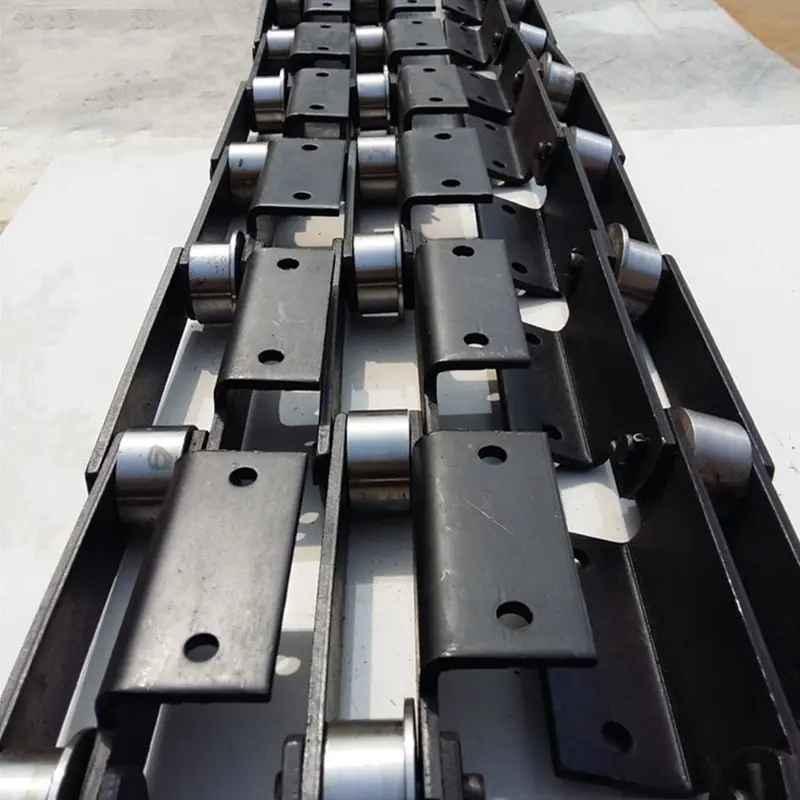
How does the choice of chain attachment type affect the versatility of a transmission chain?
The choice of chain attachment type has a significant impact on the versatility and functionality of a transmission chain. Here’s a detailed answer to the question:
The attachment type refers to the specific design or configuration of the links or plates at the ends of the transmission chain. Different attachment types are available to accommodate various applications, equipment, and industry requirements. The selection of the right attachment type affects the chain’s versatility in the following ways:
1. Connection and Compatibility: The chain attachment type determines how the chain connects and interacts with other components in the system. It should be compatible with the equipment, sprockets, gears, or other mechanisms to ensure proper functioning and power transmission. Different attachment types may be required for different machinery or applications, such as conveyors, elevators, or industrial machinery.
2. Load Capacity and Strength: The attachment type influences the load capacity and strength of the transmission chain. Some attachment designs provide increased load-bearing capacity, allowing the chain to handle heavy loads or withstand high-torque applications. By choosing the appropriate attachment type, the chain’s versatility can be enhanced to suit a wide range of load requirements.
3. Flexibility and Adaptability: Certain attachment types offer greater flexibility and adaptability in terms of accommodating variations in equipment design or layout. They may allow for easier adjustment, tensioning, or lengthening of the chain to fit specific requirements. This flexibility enables the chain to be more versatile and adaptable to different configurations or changes in the operating environment.
4. Specific Application Requirements: Depending on the application, specific chain attachment types may be necessary to meet industry standards, safety regulations, or operational needs. For example, certain industries may require specialized attachments to ensure proper alignment, positioning, or engagement with specific components or materials. Choosing the appropriate attachment type ensures compliance with these requirements, enhancing the chain’s versatility for specific applications.
5. Easy Maintenance and Replacement: The choice of attachment type can also impact the ease of maintenance and replacement of the transmission chain. Some attachment designs allow for quick and convenient disassembly or replacement of damaged or worn-out chain links or plates. This facilitates efficient maintenance and reduces downtime, contributing to the overall versatility and reliability of the chain.
When selecting a transmission chain, it’s crucial to consider the specific attachment type required for the intended application. Factors such as load capacity, compatibility with equipment, ease of maintenance, and industry standards should be considered to ensure optimal versatility and performance of the transmission chain.
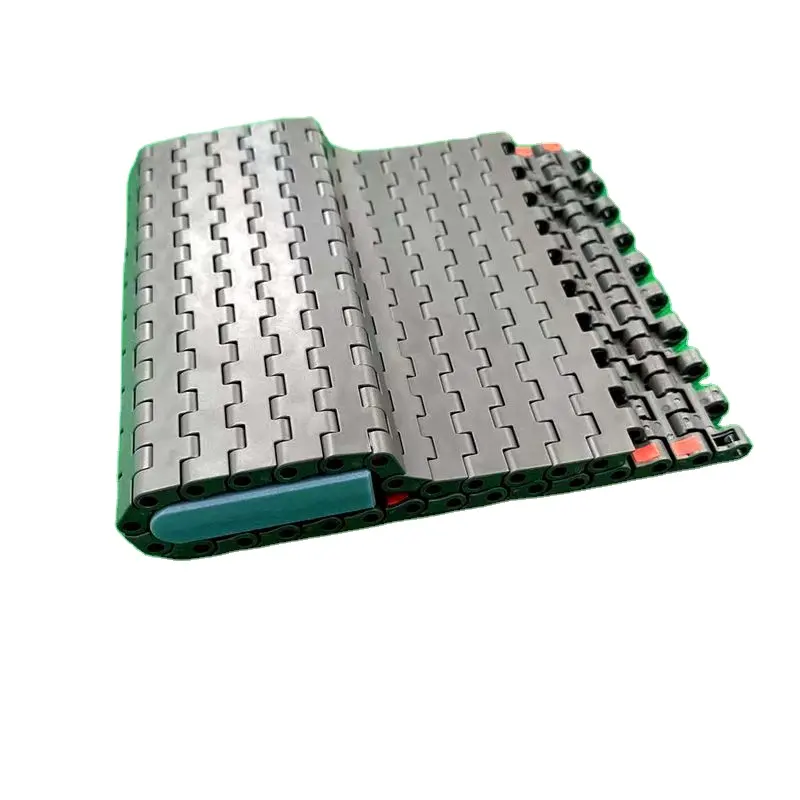
How does the choice of lubricant impact the performance of a transmission chain?
The choice of lubricant plays a critical role in ensuring the optimal performance and longevity of a transmission chain. Here’s a detailed answer to the question:
1. Reduced Friction and Wear: Lubricants create a protective film between the moving parts of the transmission chain, reducing friction and wear. This helps to minimize metal-to-metal contact and prevent surface damage, extending the chain’s lifespan.
2. Enhanced Efficiency: Proper lubrication reduces energy losses due to friction, improving the overall efficiency of the transmission system. By reducing frictional resistance, the lubricant allows for smoother power transmission, reducing power consumption and increasing system efficiency.
3. Heat Dissipation: Lubricants aid in heat dissipation by absorbing and dissipating heat generated during chain operation. This helps to prevent excessive chain temperature rise, which can lead to accelerated wear, lubricant breakdown, and potential chain failure.
4. Corrosion Protection: Lubricants provide a protective barrier against moisture, humidity, and other corrosive elements. This helps to prevent rust and corrosion, which can weaken the chain and reduce its performance. Choosing a lubricant with anti-corrosion properties is essential, especially in harsh or corrosive environments.
5. Contaminant Removal: Lubricants can help remove contaminants such as dirt, dust, and debris from the chain’s contact surfaces. This prevents abrasive particles from causing premature wear and damage to the chain, ensuring smooth operation and reducing the risk of chain failure.
6. Temperature Stability: Different lubricants have varying temperature stability properties. It is crucial to select a lubricant that can maintain its viscosity and lubricating properties within the operating temperature range of the transmission chain. This ensures consistent lubrication and performance under various temperature conditions.
7. Compatibility: It is important to choose a lubricant that is compatible with the materials used in the transmission chain. Some lubricants may react with certain chain materials, leading to degradation or damage. Ensuring compatibility helps maintain the integrity of the chain and avoids any adverse effects.
8. Lubrication Interval: The choice of lubricant can also affect the lubrication interval, i.e., the frequency at which the chain needs to be relubricated. Some lubricants offer longer-lasting lubrication properties, reducing the maintenance requirements and downtime associated with frequent relubrication.
It is crucial to follow the manufacturer’s recommendations and guidelines regarding lubrication for the specific transmission chain. Regular inspection, monitoring, and proper maintenance practices should be implemented to ensure the chain remains adequately lubricated for optimal performance and longevity.
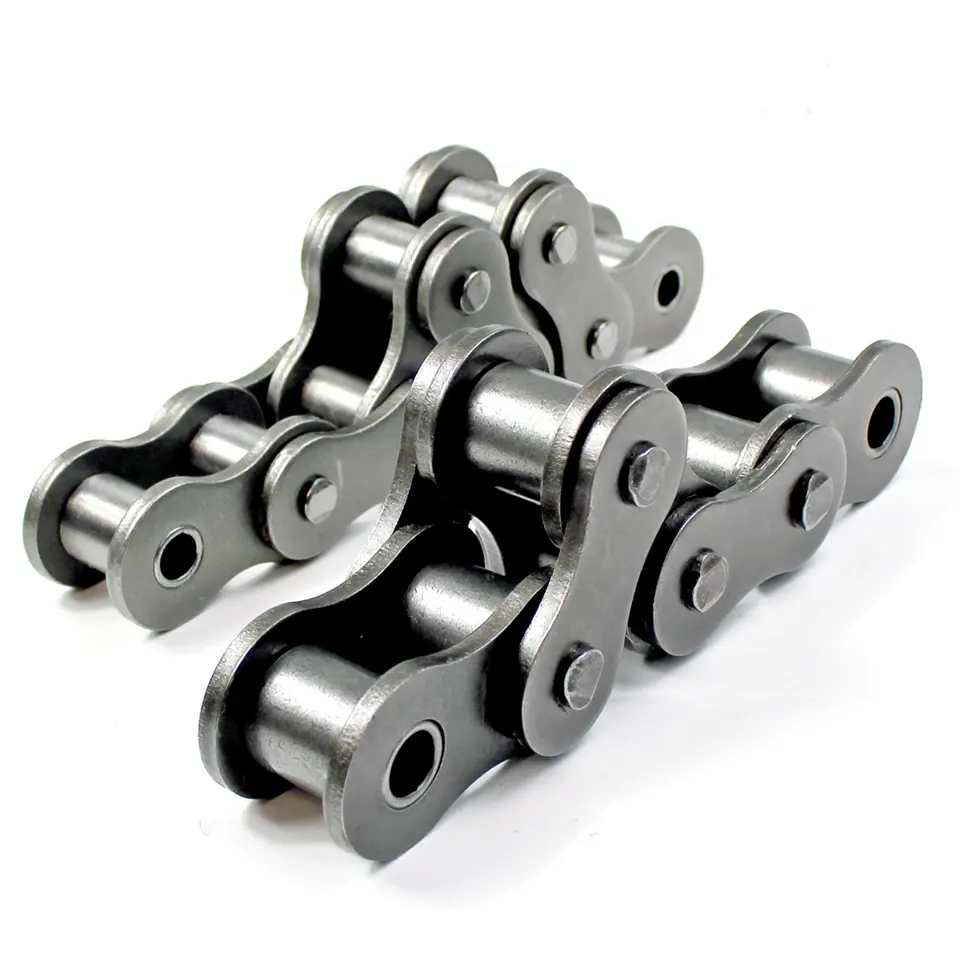
What are the benefits of using a self-lubricating transmission chain?
A self-lubricating transmission chain, also known as a maintenance-free chain, offers several advantages in various applications. Here are the key benefits:
- Reduced Maintenance: Self-lubricating chains eliminate the need for regular manual lubrication, reducing maintenance time and costs. They are designed with built-in lubrication systems that continuously release lubricant as needed, ensuring optimal chain performance.
- Extended Chain Life: The consistent and controlled lubrication provided by self-lubricating chains helps reduce friction, wear, and corrosion, thereby extending the chain’s operational life. This results in improved reliability and reduced downtime.
- Enhanced Efficiency: Self-lubricating chains maintain their lubrication over an extended period, promoting smooth and efficient power transmission. This helps to minimize power losses and maximize the overall efficiency of the system.
- Cleaner Environment: Since self-lubricating chains release lubricant only when necessary, there is less chance of excess lubrication accumulating and contaminating the surrounding environment. This makes them suitable for applications where cleanliness is crucial, such as food processing, pharmaceuticals, and cleanroom environments.
- Consistent Performance: The self-lubricating feature ensures a constant and reliable supply of lubrication to critical areas of the chain, even in challenging operating conditions. This helps to maintain consistent performance and reduce the risk of premature chain failure.
- Application Versatility: Self-lubricating chains are available in various sizes and configurations, making them suitable for a wide range of applications. They can be used in industries such as automotive, packaging, material handling, and automation.
By choosing a self-lubricating transmission chain, you can enjoy the benefits of reduced maintenance, extended chain life, improved efficiency, a cleaner environment, consistent performance, and versatility in application.


editor by CX 2024-01-08