
Product Description
Stainless Steel Transmission Chain, Stainless Steel Roller Chain, Stainless Steel Conveyor chain, Stainless steel chains for bottle conveyor line which is used on bottle filling conveyor lines, other standard ss chain or special ss chain(SS304 chains, SS316 chains, SS316L chains, SS conveyor chains, SS304 conveyor chain, SS316 conveyor chain) all available
We have special technolodgy to arrange more hardness on SS chains plate as per the request of famous chains factory in Europe
We have many OEM chain factory customer from Europe and our stainless steel chain quality is similar to the A quality in the world
We are professional supplier of chains:
1. Bicycle chain: 408, 410, 415
2. Motorcycle chain: 04C, 25H, 06C, T3, 270H, 415H, 420, 420L, 425, 428, 428H, 520,
525, 530
3. ASA roller chain: 35, 40, 41, 50, 60, 60H, 80, 80H, 100, 120, 140, 160, 200, 240
(Catalog)
4. Chain (British standard): 05-B, 06-B, 08-B, 10-B, 12-B, 16-B, 20-B, 24-B, 28-B,
32-B, 40-B (Catalog)
5. Large pitch chains: 100, 100H, 120, 120H, 140, 140H, 160, 160H, 180, 200, 240
6. Extend-pitch precision roller chain: 208A, 208B, 210A, 210B, 212A, 212B, 216A,
216B, 220A, 220B, 224A, 224B, 228B, 232B
7. Roller chains for beer buntline conveyor: CK-70S, CK-100S, CK-100SA, CK-100SC, CK-133XA,
CK-140X, CK-140XA, CK-150X, CK-150S, CK-154X, CK-155X, CK-155XA, CK-160X, CK-160XA, CK-160XB, CK-160XC, CK-165X, CK-165XA, CK-169, CK-180X, CK-180XA, CK-200S, CW-102, CW-127
8. Implement roller chains for conveyors: 81X, 81XH, 81XHH, CA550, CA555, CA620
9. Multi strand sizes available; Up to 5 strands, for select size standard attachment
Available
10. Chains from 04b~16b are with spring clips, others are riveted; Cottered design
Is available for size 80 to 240
11. Stainless steel chain and nickel plated chains is available; Special design also available
(i. E., oven conveyor) and we can produce as per material your requests, usually stainless steel chain material is SS304, if you need SS316 or SS316L etc. It is available too
Our conveyor chains are as following items:
Short pitch, double pitch conveyor roller chain:
1)European standard short pitch roller conveyor accessories: A1 – WSK2
2)European Standard Short Pitch Hollow Pin Chains and accessories: 08BHP – 12BHP
3)European standard short pitch bending roller conveyor: 08BSB, 10BSB, 4)12BSB
4)European standard double pitch conveyor chain: C208B – C232BL
5)American Standard Short pitch conveyor chain attachments: A1 – WSK2
6)American Standard Short Pitch Hollow Pin Chain: 40HP – 80HP
7)American Standard short pitch bending roller conveyor: 35SB – 80SB
8)American Standard Double pitch conveyor roller: C2040 – C2162H
9)American Standard Double pitch conveyor roller attachment: A1 – WSK2
10)American standard double pitch hollow pin chain: C2040HP – C2082HP
11)American Standard Double pitch conveyor roller scoliosis: C2040SB, C2050SB, C2060SB
12)American standard double pitch conveyor roller Plastic Large: C2042D – C2102HD
13)American Standard controllable beat conveyor (speed chain): C2030VR – C2080VR
14)American Standard side-mounted conveyor roller (short pitch double pitch): 40PSR – 100PSR; C2040PSR – C2100PRS
15)American Standard overhead plastic roller conveyor chains (short pitch, double pitch and long pitch): 40TR – 100TR; C2040TR – C2100TR
/* March 10, 2571 17:59:20 */!function(){function s(e,r){var a,o={};try{e&&e.split(“,”).forEach(function(e,t){e&&(a=e.match(/(.*?):(.*)$/))&&1
| Material: | Alloy |
|---|---|
| Structure: | Roller Chain |
| Surface Treatment: | Polishing |
| Chain Size: | 1/2"*11/128" |
| Feature: | Fire Resistant, Oil Resistant, Heat Resistant |
| Marerial: | Ss304, Ss316 |
| Customization: |
Available
| Customized Request |
|---|
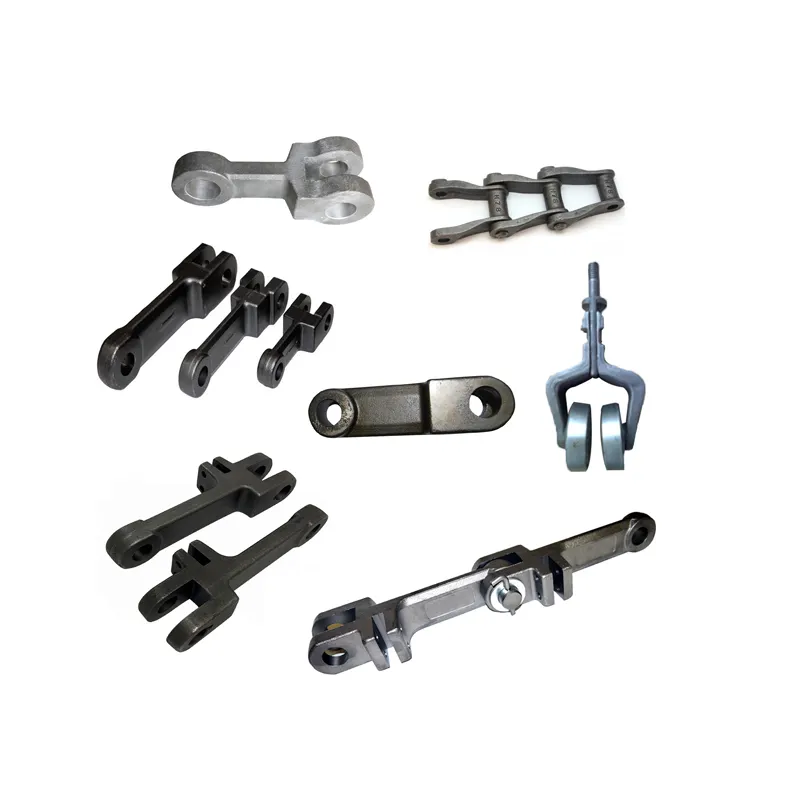
Can transmission chains be used in printing or packaging machinery?
Yes, transmission chains can be used in printing and packaging machinery. Here’s a detailed answer to the question:
Printing and packaging machinery often require precise and reliable power transmission to drive various components such as conveyors, rollers, and printing plates. Transmission chains are well-suited for these applications due to their robustness, durability, and ability to handle high loads.
Benefits of using transmission chains in printing and packaging machinery include:
1. High Load Capacity: Transmission chains are capable of handling heavy loads, making them suitable for driving equipment such as printing cylinders, conveyor belts, and packaging rollers.
2. Precise Motion Control: Printing and packaging machinery often require precise motion control to achieve accurate printing, cutting, and folding processes. Transmission chains offer excellent positional accuracy, ensuring reliable and repeatable movement of components.
3. Reliability: Transmission chains are designed to withstand the demanding operating conditions typically encountered in printing and packaging machinery. They offer high resistance to wear, fatigue, and shock loads, providing reliable performance even in high-speed applications.
4. Versatility: Transmission chains are available in various sizes, pitches, and configurations, allowing for flexibility in adapting to different printing and packaging machine designs and requirements.
5. Easy Maintenance: Transmission chains are relatively easy to maintain. Regular lubrication and periodic inspections can help ensure optimal performance and prolong chain life.
When using transmission chains in printing and packaging machinery, it’s important to select the appropriate chain type, pitch, and material based on the specific application requirements. Regular maintenance, including lubrication and tension adjustment, should be performed to optimize chain performance and prevent premature wear or failure.
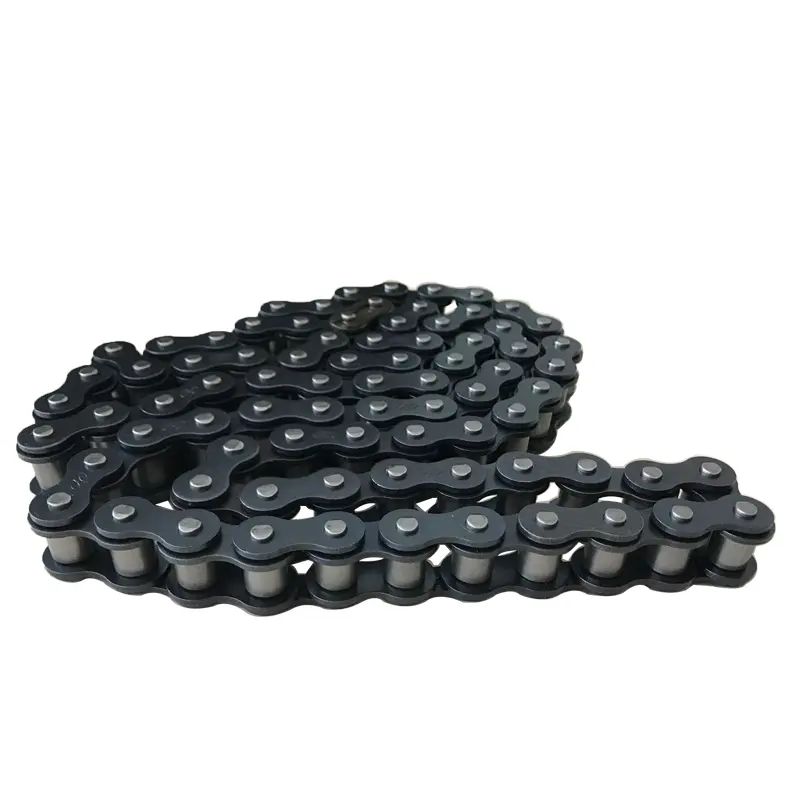
How does the speed of rotation affect the choice of transmission chain?
The speed of rotation is an important factor to consider when selecting a transmission chain for a specific application. Here’s a detailed answer to the question:
1. Fatigue and Wear: The speed of rotation directly affects the fatigue and wear characteristics of a transmission chain. Higher rotational speeds result in increased cyclic loading and wear on the chain’s components. Therefore, it is crucial to choose a chain that is designed to handle the anticipated speed and associated fatigue stresses.
2. Lubrication and Cooling: Faster rotational speeds generate more heat due to friction between the chain and the sprockets. Adequate lubrication is essential to minimize friction, reduce heat buildup, and maintain the chain’s performance and longevity. Additionally, some high-speed applications may require additional cooling mechanisms to dissipate heat effectively.
3. Centrifugal Forces: As the rotational speed increases, centrifugal forces become more significant. These forces can affect the chain’s stability, tension, and overall performance. Chains designed for high-speed applications are engineered to withstand the increased centrifugal forces and maintain proper tension during operation.
4. Dynamic Balance: High-speed rotation may introduce dynamic imbalances in the transmission system, leading to vibrations and decreased system efficiency. Special attention should be given to selecting a transmission chain with proper dynamic balance characteristics to minimize vibrations and ensure smooth operation.
5. Material and Design: Chains for high-speed applications often require specific materials and design features to accommodate the increased rotational forces and maintain reliability. High-strength alloys, precise manufacturing tolerances, and advanced surface treatments may be employed to enhance the chain’s performance and durability at high speeds.
When selecting a transmission chain, it is crucial to consider the manufacturer’s recommendations and specifications regarding maximum allowable speeds. Factors such as the application’s operational requirements, anticipated rotational speed, load, and environmental conditions should all be taken into account to ensure the chosen chain is suitable for the specific high-speed application.
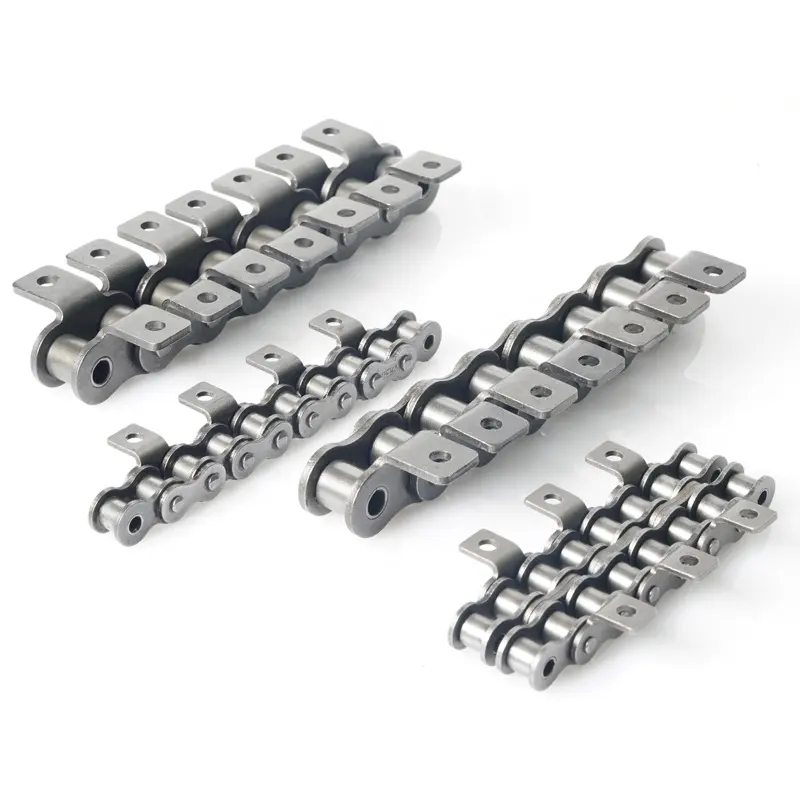
What are the main differences between standard and heavy-duty transmission chains?
Standard and heavy-duty transmission chains are designed to meet different load and performance requirements. Here are the main differences between these two types:
- Load Capacity: Heavy-duty transmission chains are built to handle higher loads and provide greater strength compared to standard chains. They are designed to withstand heavier and more demanding applications.
- Construction: Heavy-duty transmission chains are typically constructed with thicker plates, larger pins, and stronger components to enhance their durability and load-carrying capacity.
- Size: Heavy-duty transmission chains are often larger in size compared to standard chains to accommodate the increased load requirements.
- Weight: Due to their robust construction, heavy-duty transmission chains tend to be heavier than standard chains.
- Durability: Heavy-duty chains are engineered to have greater wear resistance, fatigue resistance, and overall durability to withstand harsh operating conditions and prolonged usage.
- Applications: Standard transmission chains are suitable for lighter-duty applications where moderate loads are involved, such as light machinery, conveyors, and small equipment. Heavy-duty transmission chains, on the other hand, are designed for heavy machinery, industrial equipment, mining applications, and other demanding environments.
It’s important to consider the specific requirements of your application, including load capacity, operating conditions, and expected lifespan, to determine whether a standard or heavy-duty transmission chain is the right choice.


editor by CX 2023-12-26