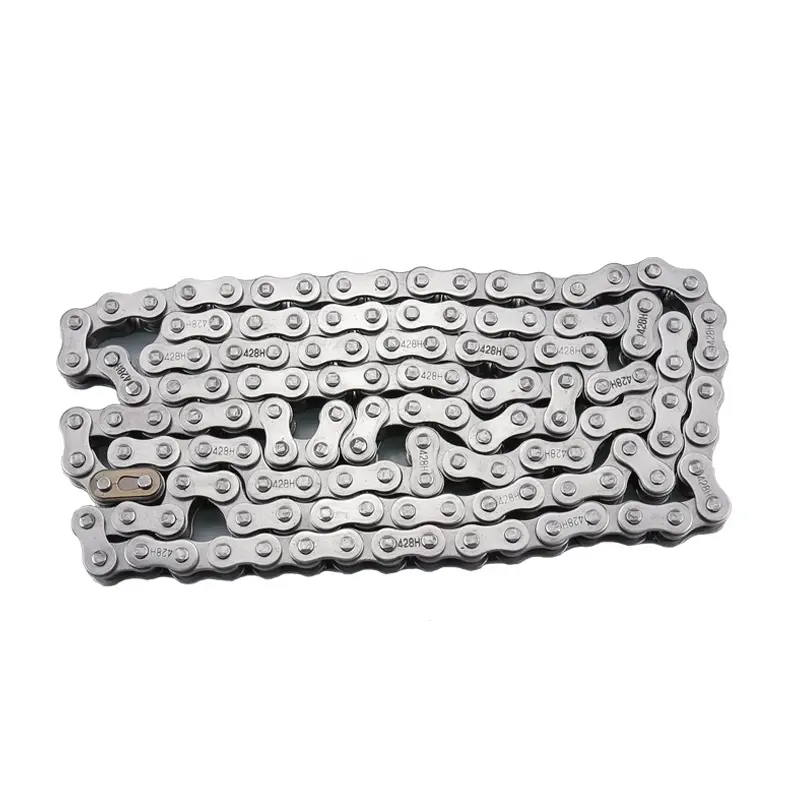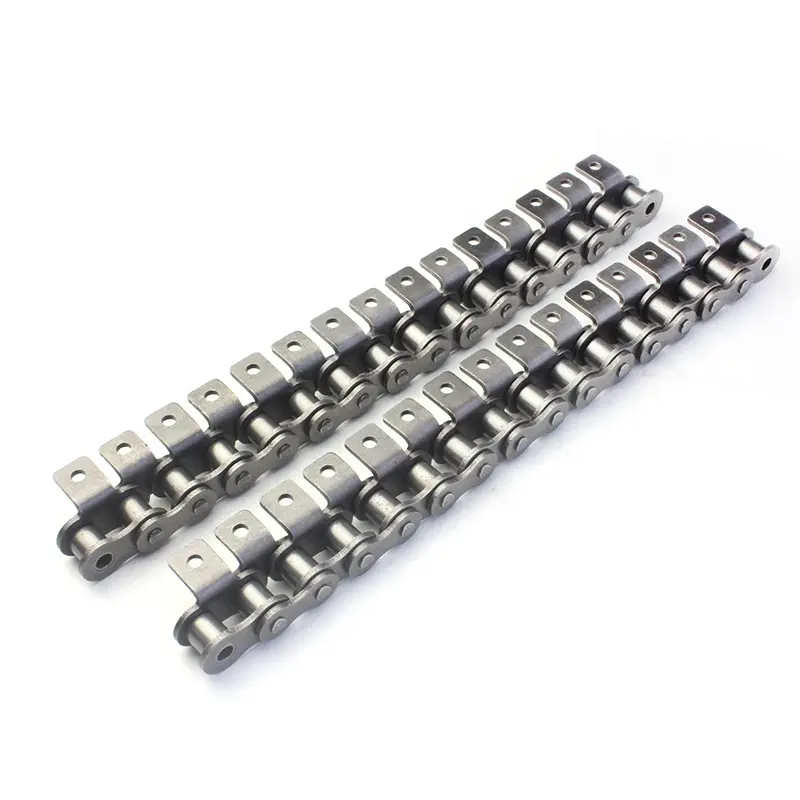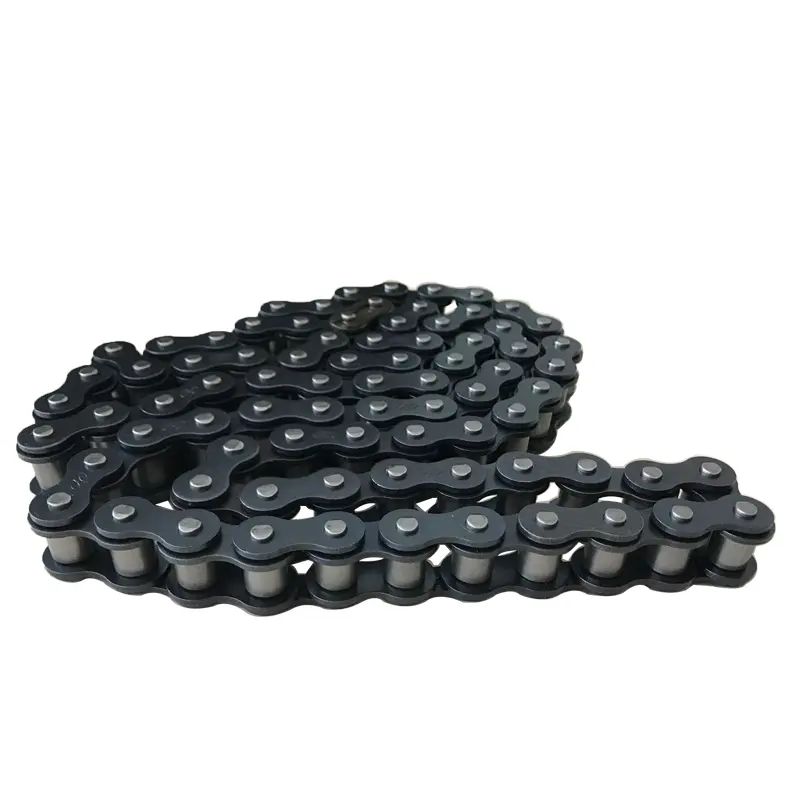
Product Description
| CHOHO Chain No. | P/mm | h2/mm | W/mm | b1/mm | d4/mm | |||||||||||||||||||||||||||
| CA550F19 | 41.40 | 20.20 | 79.40 | 19.80 | 10.30 | |||||||||||||||||||||||||||
| CA550HDF5 | 41.40 | 20.20 | 102.10 | 19.05 | 10. Abbreviation: CHOHO Industry. √ HangZhou CHOHO Industrial Co., Ltd. was founded in 1999. Has become the leader of chain system technology, the first batch of natioal recognized enterprise technology center,national technology innovation demonstration enterprise,and the first A-share listed company in China’s chain drive industry.The securities code is 003033.
We are very close to the port of HangZhou, which saves a lot of logistics costs and transportation time! We have our own logistics company and transportation department. If you need me to deliver goods to your warehouse or other ports in China, such as ZheJiang Port and ZheJiang Port, we can also do it!
√ CHOHO has a natural brand awareness. As of January 2571, CHOHO has registered the “CHOHO” trademark in more than 60 countries, including the United States, Japan, the United Kingdom, France, Germany, Russia, Spain, Austria, Belgium, Bulgaria, Croatia, Czech Republic, Denmark, Finland, Greece , Hungary, Ireland, Italy, Netherlands, Poland, Portugal, Romania, Ukraine, Sweden, Australia, Algeria, Egypt, Kenya, Morocco, South Korea, Kazakhstan, Mongolia, Syria, Thailand, Pakistan, India, Brazil, Mexico, Colombia, etc. CHOHO has been invited to participate in many international exhibitions around the world, including industrial exhibitions, agricultural exhibitions, motorcycle exhibitions, engine exhibitions, such as Hannover Messe, Bologna Fair, Canton Fair ,VIV ASIA and other world famous exhibitions! COOPERATIVE CLIENT Broad Customer Channels Market Continues to Develop! Choho Provide Chain System Solutions for The Global Top 500 and The Enterprises in Various Fields Top 10! FAQ 1. Are you manufacturer or trade Company?
.shipping-cost-tm .tm-status-off{background: none;padding:0;color: #1470cc}
What are the benefits of using a maintenance-free lubricant on a transmission chain?Using a maintenance-free lubricant on a transmission chain offers several advantages. Here’s a detailed answer to the question: 1. Extended Chain Life: Maintenance-free lubricants are specifically formulated to provide long-lasting lubrication, reducing friction and wear on the transmission chain. This extends the chain’s life and minimizes the need for frequent lubrication or reapplication. 2. Reduced Downtime and Maintenance Costs: With a maintenance-free lubricant, there is no need for regular lubrication or scheduled maintenance intervals. This significantly reduces downtime for lubrication and maintenance tasks, resulting in cost savings and increased productivity. 3. Improved Performance and Efficiency: The use of a maintenance-free lubricant ensures consistent and optimal lubrication throughout the chain’s operation. This leads to improved performance, smoother operation, and reduced power losses due to friction. It also helps maintain the chain’s efficiency over time. 4. Environmentally Friendly: Maintenance-free lubricants often have low environmental impact. They are designed to minimize leakage, reduce waste, and offer better resistance to dirt and debris accumulation. This promotes a cleaner and safer working environment. 5. Simplified Maintenance Routine: By using a maintenance-free lubricant, the need for regular lubrication and maintenance procedures is eliminated or significantly reduced. This simplifies the maintenance routine, saves time, and allows operators to focus on other critical tasks. 6. Consistent Lubrication in Challenging Environments: Maintenance-free lubricants are engineered to withstand harsh operating conditions, such as high temperatures, extreme pressures, or exposure to contaminants. They provide reliable lubrication even in challenging environments, ensuring proper chain performance and longevity. When considering the use of a maintenance-free lubricant, it’s important to consult with the manufacturer or lubricant supplier to ensure compatibility with the transmission chain and its specific application requirements. Following the recommended guidelines for application and reapplication, as well as regular inspections, will help optimize the benefits of using a maintenance-free lubricant on the transmission chain.
What are the benefits of using a corrosion-resistant coating on a transmission chain?A corrosion-resistant coating offers several advantages when applied to a transmission chain. Here’s a detailed answer to the question: 1. Enhanced Durability: Corrosion can significantly impact the lifespan and performance of a transmission chain. By applying a corrosion-resistant coating, the chain is protected from the damaging effects of moisture, chemicals, and environmental factors, increasing its durability and longevity. 2. Rust Prevention: Rust formation on a transmission chain can lead to friction, wear, and reduced functionality. A corrosion-resistant coating acts as a barrier, preventing the chain from coming into direct contact with moisture or corrosive substances, thereby inhibiting rust formation and maintaining the chain’s smooth operation. 3. Improved Performance: Corrosion can affect the smooth movement of the chain, causing stiffness, binding, or seizing. With a corrosion-resistant coating, the chain experiences reduced friction and resistance, leading to improved performance, efficient power transmission, and reduced energy consumption. 4. Reduced Maintenance: A transmission chain with a corrosion-resistant coating requires less frequent maintenance and cleaning compared to an uncoated chain. The coating acts as a protective layer, minimizing the accumulation of dirt, debris, and contaminants, thereby reducing the need for frequent cleaning and maintenance. 5. Cost Savings: The use of a corrosion-resistant coating on a transmission chain can result in long-term cost savings. By extending the lifespan of the chain and reducing maintenance requirements, the need for chain replacements and associated downtime and expenses are minimized. 6. Versatility: Corrosion-resistant coatings are available in various formulations suitable for different environments and applications. Whether the transmission chain operates in outdoor conditions, high humidity, chemical exposure, or other corrosive environments, there are coatings specifically designed to provide optimal protection. 7. Environmental Considerations: Using a corrosion-resistant coating on a transmission chain contributes to environmental sustainability. By extending the life of the chain, fewer resources are consumed in manufacturing replacements, reducing waste generation and promoting a more eco-friendly approach. It’s important to note that the selection of the appropriate corrosion-resistant coating depends on the specific operating conditions, such as temperature, chemical exposure, and the type of corrosive agents encountered. Consulting with coating manufacturers or experts can help determine the most suitable coating solution for a transmission chain based on the application requirements.
What is a transmission chain and how does it work?A transmission chain is a type of mechanical chain used to transmit power between two or more rotating shafts. It consists of a series of interconnected links that engage with toothed sprockets to transfer motion and torque. In a typical transmission chain system, the chain wraps around two or more sprockets, with one sprocket connected to the input shaft and the other(s) connected to the output shaft(s). As the input shaft rotates, the chain moves along the sprockets, causing the output shaft(s) to rotate at the same speed or different speeds depending on the sprocket sizes. The functioning of a transmission chain relies on the principle of mechanical power transmission through interlocking links and the engagement between the chain and the sprocket teeth. The chain’s links are designed to fit precisely with the sprocket teeth, ensuring a positive and reliable transfer of power. As the chain engages with the sprockets, the teeth on the sprockets push against the chain’s rollers or pins, causing the chain to move. This movement transfers rotational motion and torque from the input shaft to the output shaft(s), enabling the transmission of power and facilitating various mechanical operations. Transmission chains are widely used in various applications such as automotive engines, motorcycles, bicycles, industrial machinery, and power transmission systems. They are valued for their durability, efficiency, and ability to handle high loads and speeds.
|