Product Description
HangZhou Yihexing Industrial Materials Co., Ltd. is a comprehensive industrial and trade company specializing in design and production. This is a machine industrial automation component from an FA factory. The company mainly distributes and produces medical precision mold accessories, Yifumen sensors, HHS sensors, Schutze spray guns, industrial control pneumatic components, CHINAMFG guide rails, imported bearings, guide shaft brackets, linear bearings, oil-free bushings, screw bracket assemblies, bearing assemblies, magnets, synchronous wheels, synchronous belts, couplings, casters, foot cups, single axis robots, metal stamping parts, stretching parts, sheet metal parts, laser sheet metal cutting parts, laser pipe cutting parts, welding parts, CNC precision machining, spring wire metal parts, OEM customized processing, CHINAMFG and mold design. Mainly involved in fields such as fuel vehicles, new energy vehicles, electronic and electrical accessories, packaging industry, door and window hardware, building hardware, equipment heavy industry accessories, aerospace industry, industrial automation, machine tools, plastic injection molding accessories, etc…Welcome to inquire hotline
Yihexing Industrial Machinery Parts Department is a one-stop procurement platform. All products in our factory are processed and customized, with a few standard parts. The attributes and marked prices of all products are for reference only. The marked prices are not used as actual transaction prices. Due to differences in product models and specifications, product prices are based on the agreed contract prices between both parties. We adhere to the principle of prioritizing large quantities. Please communicate with customer service personnel before making a purchase. Emill: Thank you!
Heavy Duty Steel Transmission Chain for Machinery
Looking for a reliable and durable transmission chain for your machinery? Look no further than our Heavy Duty Steel Transmission Chain. Made from industrial strength steel, this chain is designed to withstand heavy loads and provide long-lasting performance. Whether you need a heavy duty roller chain, conveyor chain, or drive chain, our product has you covered. Perfect for mechanical power transmission in industrial settings, this steel chain is built to last. Say goodbye to frequent replacements and downtime with our Heavy Duty Steel Transmission Chain for Machinery.
/* January 22, 2571 19:08:37 */!function(){function s(e,r){var a,o={};try{e&&e.split(“,”).forEach(function(e,t){e&&(a=e.match(/(.*?):(.*)$/))&&1
| Standard or Nonstandard: | Nonstandard |
|---|---|
| Application: | Textile Machinery, Garment Machinery, Conveyer Equipment, Packaging Machinery, Electric Cars, Food Machinery, Marine, Mining Equipment, Agricultural Machinery, Car |
| Surface Treatment: | Chrome Plating |
| Structure: | Welded Chain |
| Material: | Cast Iron |
| Type: | Short Pitch Chain |
| Samples: |
US$ 34/Piece
1 Piece(Min.Order) | |
|---|
| Customization: |
Available
| Customized Request |
|---|
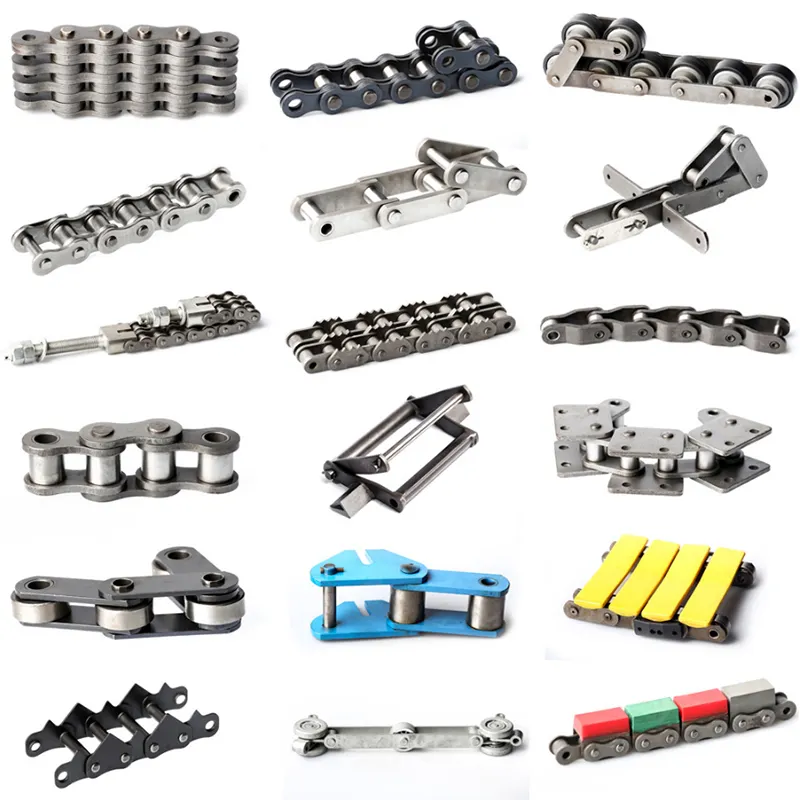
Can transmission chains be used in construction or heavy equipment?
Yes, transmission chains are commonly used in construction and heavy equipment due to their durability and ability to handle high loads. Here’s a detailed answer to the question:
Construction and heavy equipment, such as excavators, bulldozers, cranes, and loaders, often rely on transmission chains to transmit power and motion between different components. These chains are designed to withstand the demanding conditions and heavy loads encountered in construction and earthmoving applications.
The primary advantages of using transmission chains in construction and heavy equipment include:
1. Load Capacity: Transmission chains are engineered to handle heavy loads and provide reliable power transmission in equipment that requires substantial force. They are designed to withstand the extreme stresses and strains associated with lifting, pulling, and pushing heavy materials.
2. Durability: Construction and heavy equipment operate in challenging environments with debris, dust, vibrations, and harsh weather conditions. Transmission chains are built to be robust and resistant to wear, corrosion, and fatigue, ensuring reliable operation and long service life in these demanding settings.
3. Versatility: Transmission chains are available in various sizes, configurations, and materials, allowing them to be tailored to specific equipment requirements. This versatility enables manufacturers to select the most suitable chain for different applications, ensuring optimal performance and efficiency.
4. Power Transmission: Construction and heavy equipment often require high torque and precise power transmission. Transmission chains excel in transmitting power from the engine or motor to various moving parts, such as wheels, tracks, and lifting mechanisms, allowing the equipment to perform its intended functions effectively.
5. Easy Maintenance: Transmission chains typically have a straightforward design, making them relatively easy to maintain. Regular inspection, lubrication, and tension adjustment are essential to ensure proper functioning and extend the chain’s lifespan. Proper maintenance practices can help minimize downtime and reduce overall equipment maintenance costs.
It’s important to note that while transmission chains are widely used in construction and heavy equipment, the specific application and operating conditions should be taken into consideration when selecting the appropriate chain type, size, and material. Consulting the equipment manufacturer’s guidelines and recommendations is crucial to ensure optimal performance and safety.
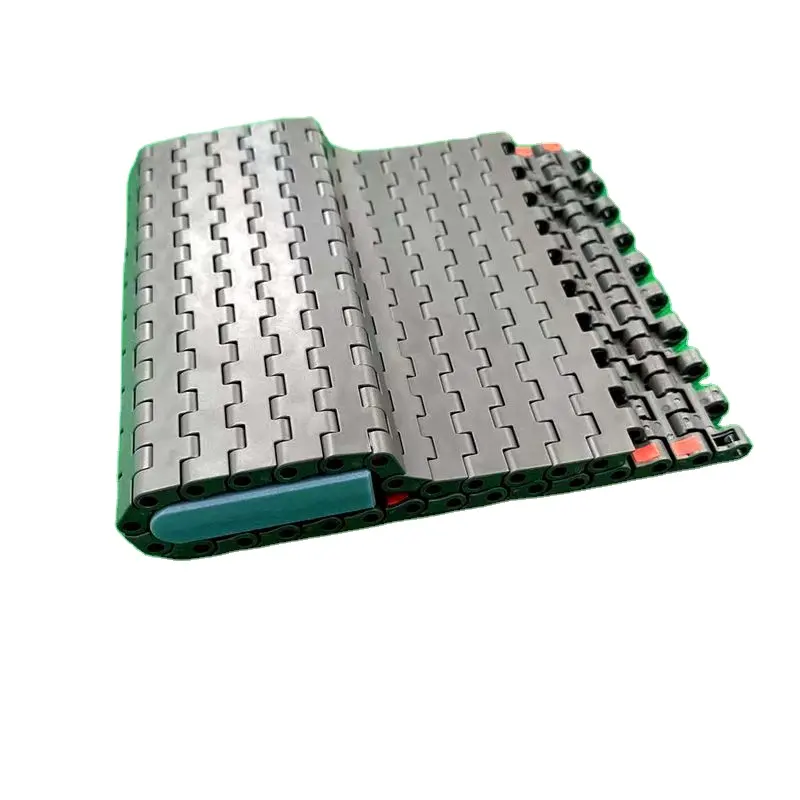
How does the choice of lubricant impact the performance of a transmission chain?
The choice of lubricant plays a critical role in ensuring the optimal performance and longevity of a transmission chain. Here’s a detailed answer to the question:
1. Reduced Friction and Wear: Lubricants create a protective film between the moving parts of the transmission chain, reducing friction and wear. This helps to minimize metal-to-metal contact and prevent surface damage, extending the chain’s lifespan.
2. Enhanced Efficiency: Proper lubrication reduces energy losses due to friction, improving the overall efficiency of the transmission system. By reducing frictional resistance, the lubricant allows for smoother power transmission, reducing power consumption and increasing system efficiency.
3. Heat Dissipation: Lubricants aid in heat dissipation by absorbing and dissipating heat generated during chain operation. This helps to prevent excessive chain temperature rise, which can lead to accelerated wear, lubricant breakdown, and potential chain failure.
4. Corrosion Protection: Lubricants provide a protective barrier against moisture, humidity, and other corrosive elements. This helps to prevent rust and corrosion, which can weaken the chain and reduce its performance. Choosing a lubricant with anti-corrosion properties is essential, especially in harsh or corrosive environments.
5. Contaminant Removal: Lubricants can help remove contaminants such as dirt, dust, and debris from the chain’s contact surfaces. This prevents abrasive particles from causing premature wear and damage to the chain, ensuring smooth operation and reducing the risk of chain failure.
6. Temperature Stability: Different lubricants have varying temperature stability properties. It is crucial to select a lubricant that can maintain its viscosity and lubricating properties within the operating temperature range of the transmission chain. This ensures consistent lubrication and performance under various temperature conditions.
7. Compatibility: It is important to choose a lubricant that is compatible with the materials used in the transmission chain. Some lubricants may react with certain chain materials, leading to degradation or damage. Ensuring compatibility helps maintain the integrity of the chain and avoids any adverse effects.
8. Lubrication Interval: The choice of lubricant can also affect the lubrication interval, i.e., the frequency at which the chain needs to be relubricated. Some lubricants offer longer-lasting lubrication properties, reducing the maintenance requirements and downtime associated with frequent relubrication.
It is crucial to follow the manufacturer’s recommendations and guidelines regarding lubrication for the specific transmission chain. Regular inspection, monitoring, and proper maintenance practices should be implemented to ensure the chain remains adequately lubricated for optimal performance and longevity.
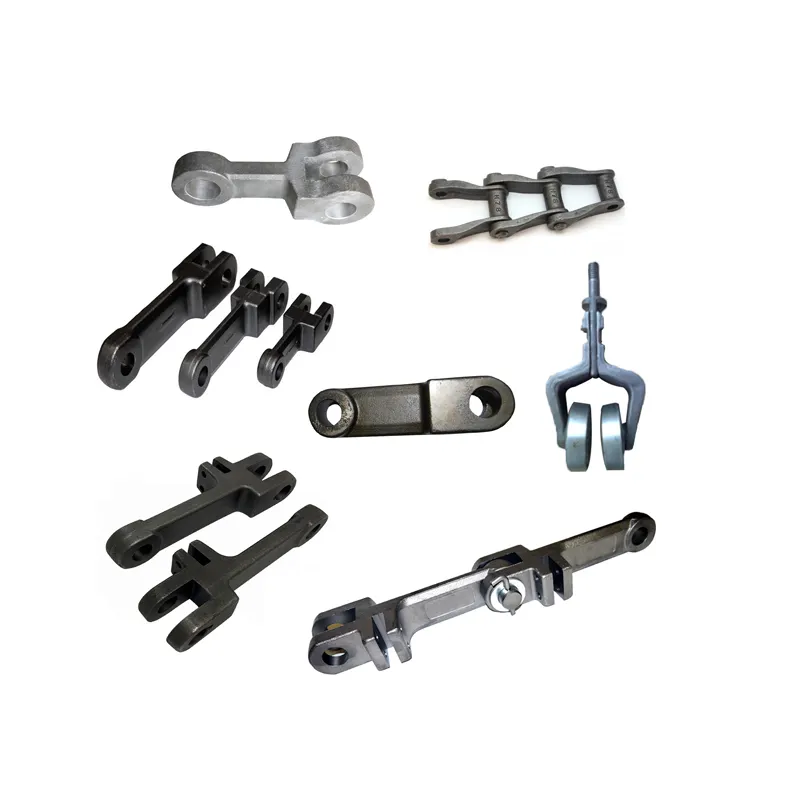
What are the maintenance requirements for transmission chains?
Maintenance plays a crucial role in ensuring the optimal performance and longevity of transmission chains. Here’s a detailed explanation:
1. Regular Inspection: Regular visual inspections should be conducted to check for any signs of wear, damage, or misalignment. Inspect the chain for signs of elongation, corrosion, broken or damaged links, and excessive wear on the sprockets.
2. Lubrication: Proper lubrication is essential to minimize friction, reduce wear, and extend the life of the chain. Follow the manufacturer’s recommendations for the type and frequency of lubrication. Apply lubricant evenly along the entire length of the chain, ensuring that it penetrates between the components.
3. Tensioning: Maintaining the correct tension in the chain is important for smooth operation and to prevent chain slippage. Follow the manufacturer’s guidelines for the recommended tensioning method and the appropriate tension level. Check the tension regularly and adjust as necessary.
4. Cleaning: Regular cleaning helps remove dirt, debris, and contaminants that can accelerate wear and cause chain failure. Use a suitable cleaning agent or solvent to clean the chain, and ensure it is thoroughly dry before applying lubrication.
5. Alignment: Proper alignment between the chain and the sprockets is crucial for smooth operation and to prevent premature wear. Check the alignment regularly and make any necessary adjustments to ensure the chain runs straight and smoothly along the sprockets.
6. Replacement of Worn Components: Over time, transmission chains may experience wear and elongation. It is important to replace worn-out components such as links, pins, and sprockets to maintain the proper functioning of the chain.
7. Environmental Considerations: Consider the operating environment of the transmission chain and take appropriate measures to protect it from corrosive substances, extreme temperatures, or excessive humidity. Apply corrosion-resistant coatings or use stainless steel chains when necessary.
8. Record Keeping: Maintain a record of maintenance activities, including lubrication schedules, tension adjustments, inspections, and component replacements. This record will help track the maintenance history and identify any patterns or issues that may arise.
It is important to consult the manufacturer’s guidelines and recommendations for specific maintenance requirements based on the type and model of the transmission chain. Adhering to proper maintenance practices will help ensure the reliability, performance, and longevity of the transmission chain in various applications.


editor by CX 2024-05-06