
A detailed technical comparison of ANSI B29.1 and ISO 606 roller chain standards — covering dimensional differences, performance implications, and guidance on when each standard applies.
Historical Context: How Two Standards Emerged
The parallel existence of ANSI and ISO roller chain standards traces back to the independent development of chain drive technology in the United States and Europe during the early twentieth century. American manufacturers standardized around the ANSI B29.1 specification (originally published by the American Standards Association), while European manufacturers adopted what eventually became ISO 606 through the International Organization for Standardization. Japan later developed JIS B1801, which aligns closely with ISO but adds Japan-specific refinements.
Both standards define the same fundamental concept — a precision roller chain with standardized pitch, roller diameter, inner width, and tensile strength — but the specific dimensions differ at nearly every pitch size. This creates a compatibility challenge for global manufacturers who source equipment from both American and European or Asian suppliers. Understanding exactly where the two standards diverge prevents costly mismatches between chains and sprockets in the field.
Where ANSI and ISO Dimensions Diverge
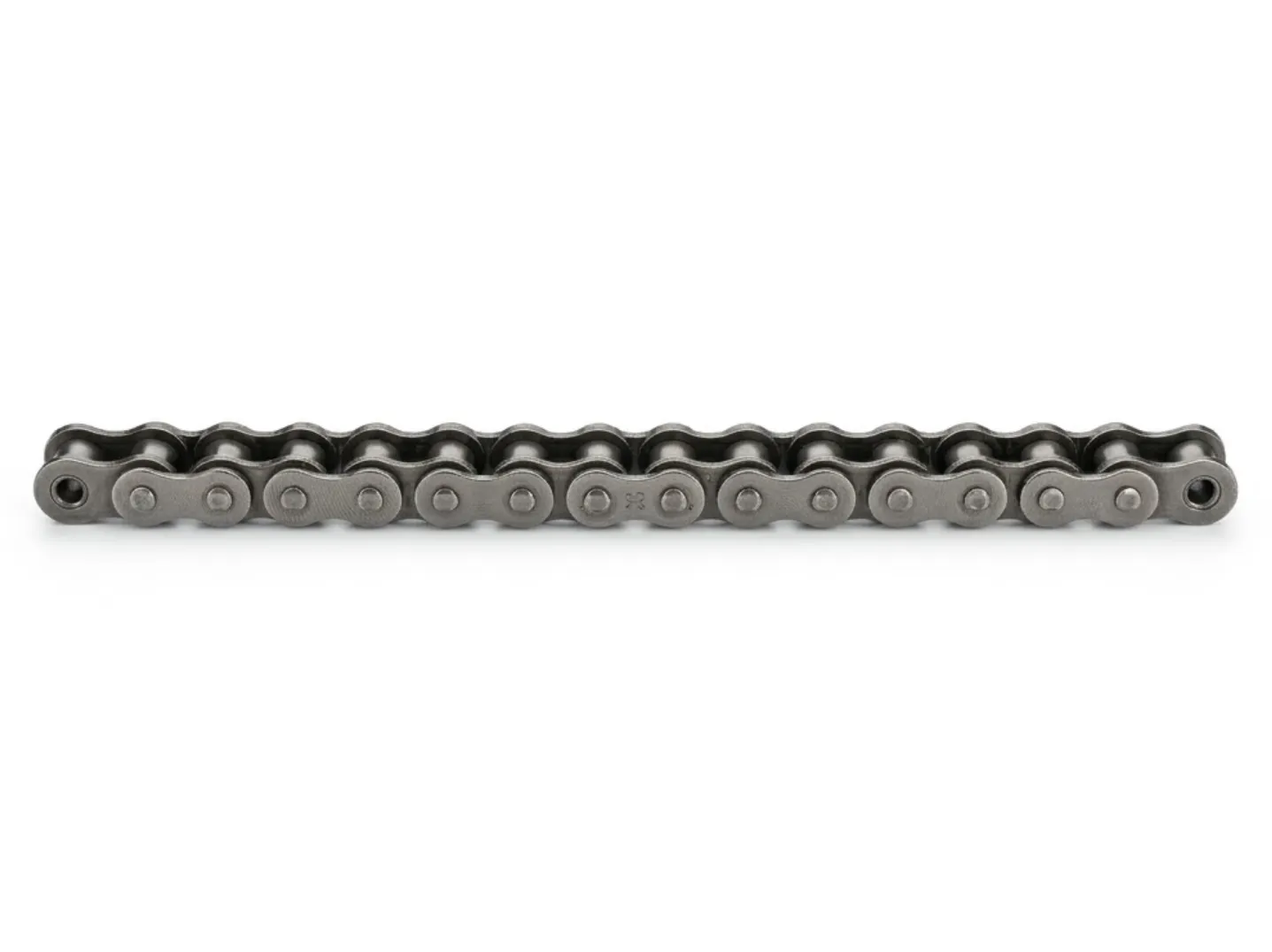
The most significant difference is roller diameter. At the widely used 12.7 mm pitch, an ANSI 40 chain specifies a roller diameter of 7.95 mm, while the ISO 08B chain at the same pitch uses a 8.51 mm roller. This seemingly small 0.56 mm difference fundamentally changes the sprocket tooth geometry. An ANSI sprocket tooth gap is narrower than its ISO counterpart, meaning an ISO chain roller will bind in an ANSI sprocket tooth, and an ANSI roller will seat too deeply in an ISO tooth, causing accelerated wear on both components.
Inner width between the plates also differs between standards. Pin diameters are not identical. Even the tensile strength ratings, while broadly similar, are tested under different protocols with different acceptance criteria. The table below summarizes the key dimensional divergences at common pitch sizes used in power transmission chain applications around the world.
The Interchangeability Question
ANSI vs ISO Dimensional Differences at Common Pitches
| Pitch | ANSI No. | ISO No. | ANSI Roller | ISO Roller | Delta | ANSI Width | ISO Width |
|---|---|---|---|---|---|---|---|
| 9.525 | 35 | 06B | 5.08 | 6.35 | +1.27 | 4.78 | 5.72 |
| 12.700 | 40 | 08B | 7.95 | 8.51 | +0.56 | 7.85 | 7.75 |
| 15.875 | 50 | 10B | 10.16 | 10.16 | 0.00 | 9.40 | 9.65 |
| 19.050 | 60 | 12B | 11.91 | 12.07 | +0.16 | 12.57 | 11.68 |
| 25.400 | 80 | 16B | 15.88 | 15.88 | 0.00 | 15.75 | 17.02 |
| 31.750 | 100 | 20B | 19.05 | 19.56 | +0.51 | 18.90 | 19.56 |
| All dimensions in mm. Delta = ISO roller diameter minus ANSI roller diameter. Non-zero delta means chains and sprockets are NOT interchangeable between standards. | |||||||
The short answer is no — ANSI and ISO chains should not be mixed with each other’s sprockets. Even at pitches where the roller diameter happens to match (such as 15.875 mm / ANSI 50 and 10B), the inner width differs, which affects lateral fit on the sprocket tooth. Running a mismatched combination may appear to work initially, but the incorrect tooth engagement geometry produces uneven load distribution that accelerates wear on both the chain and the sprocket within a few hundred hours.
The only safe interchangeability exists within each standard: ANSI chains mate with ANSI sprockets, and ISO chains mate with ISO sprockets. If your plant has equipment from both American and European suppliers, maintain separate chain and sprocket inventories for each standard, and label both components clearly to prevent cross-installation during maintenance shifts.
Performance Differences: Strength, Speed, and Fatigue Life
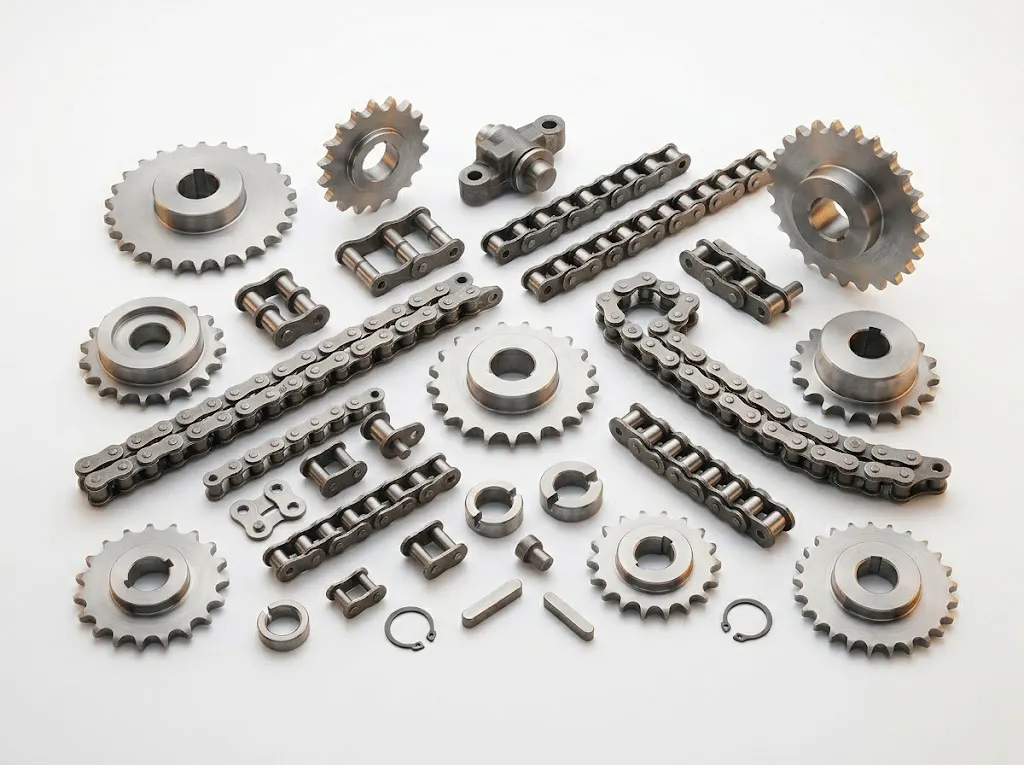
Tensile strength ratings between ANSI and ISO chains at the same pitch are broadly similar — within 5 to 10% — but the testing protocols differ. ANSI B29.1 specifies a minimum ultimate tensile strength per strand, while ISO 606 defines both minimum ultimate and minimum fatigue strength. This makes ISO-standard chains slightly easier to compare on a fatigue-life basis, which matters for applications involving cyclic loading, pulsating drives, or frequent start-stop operations.
Speed ratings are comparable, as the polygon effect depends primarily on pitch and tooth count rather than the standard. However, the larger roller diameter in some ISO chains can produce smoother engagement at high speeds because the contact stress per unit area is lower. In practice, the choice between ANSI and ISO is driven more by equipment origin and regional convention than by measurable performance advantages at the same pitch and strand count.
Regional Preferences and Procurement Considerations
North American OEMs almost universally design around ANSI roller chain. Equipment manufactured in the United States, Canada, and Mexico will specify ANSI chain numbers on the nameplate, in the parts manual, and on the original sprockets. European equipment typically calls out ISO B-series numbers, while Japanese equipment may reference JIS designations that are functionally identical to ISO. Understanding the origin of your equipment is the fastest way to determine which standard applies without physically measuring the chain.
When sourcing chains from China, the roller chain supplier should be able to manufacture to either standard. Hangzhou Ever-Power produces both ANSI and ISO series chains and sprockets on the same production lines, with tooling and inspection gauges calibrated to each standard independently. Specify the full chain designation — including the standard prefix and strand suffix — on your purchase order to eliminate any ambiguity.
Why Choose Hangzhou Ever-Power as Your Supplier
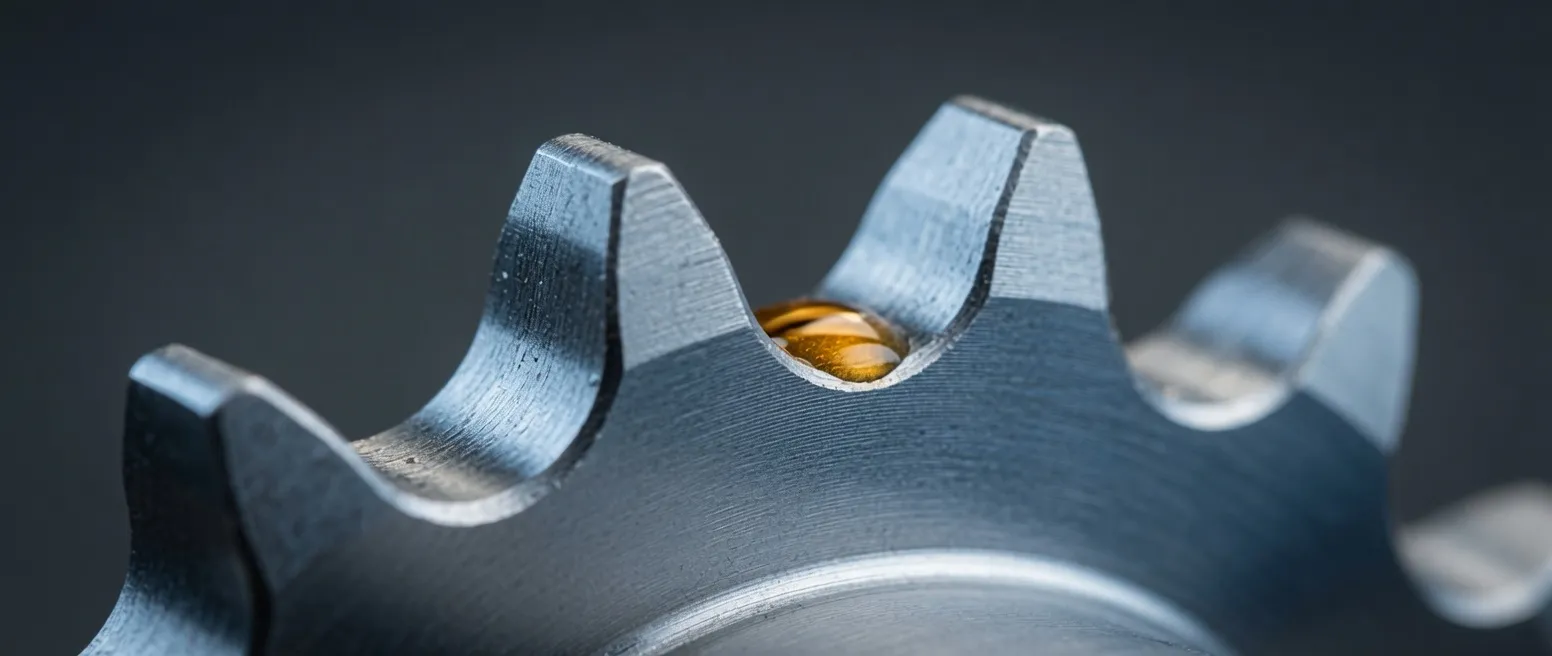
Selecting a sprocket chain supplier is a decision that extends far beyond unit price. Delivery reliability, dimensional consistency across production batches, willingness to support OEM customization, and responsive after-sales technical backing all factor into the total cost of ownership. Hangzhou Ever-Power Sprocket Chain Co., Ltd. has built its reputation over decades by treating each of these factors as a baseline expectation rather than a premium add-on.
From raw steel blanking through heat treatment, shot peening, and final assembly, every production stage happens under one roof in Hangzhou — eliminating the quality drift that plagues multi-vendor supply chains.
Non-standard bore sizes, special tooth profiles, proprietary surface coatings, and unique attachment configurations are routine production orders — not special projects that require months of back-and-forth negotiation.
Every batch undergoes tensile testing, Rockwell hardness verification, dimensional inspection with CMM equipment, and pre-shipment elongation checks before products leave the factory floor.
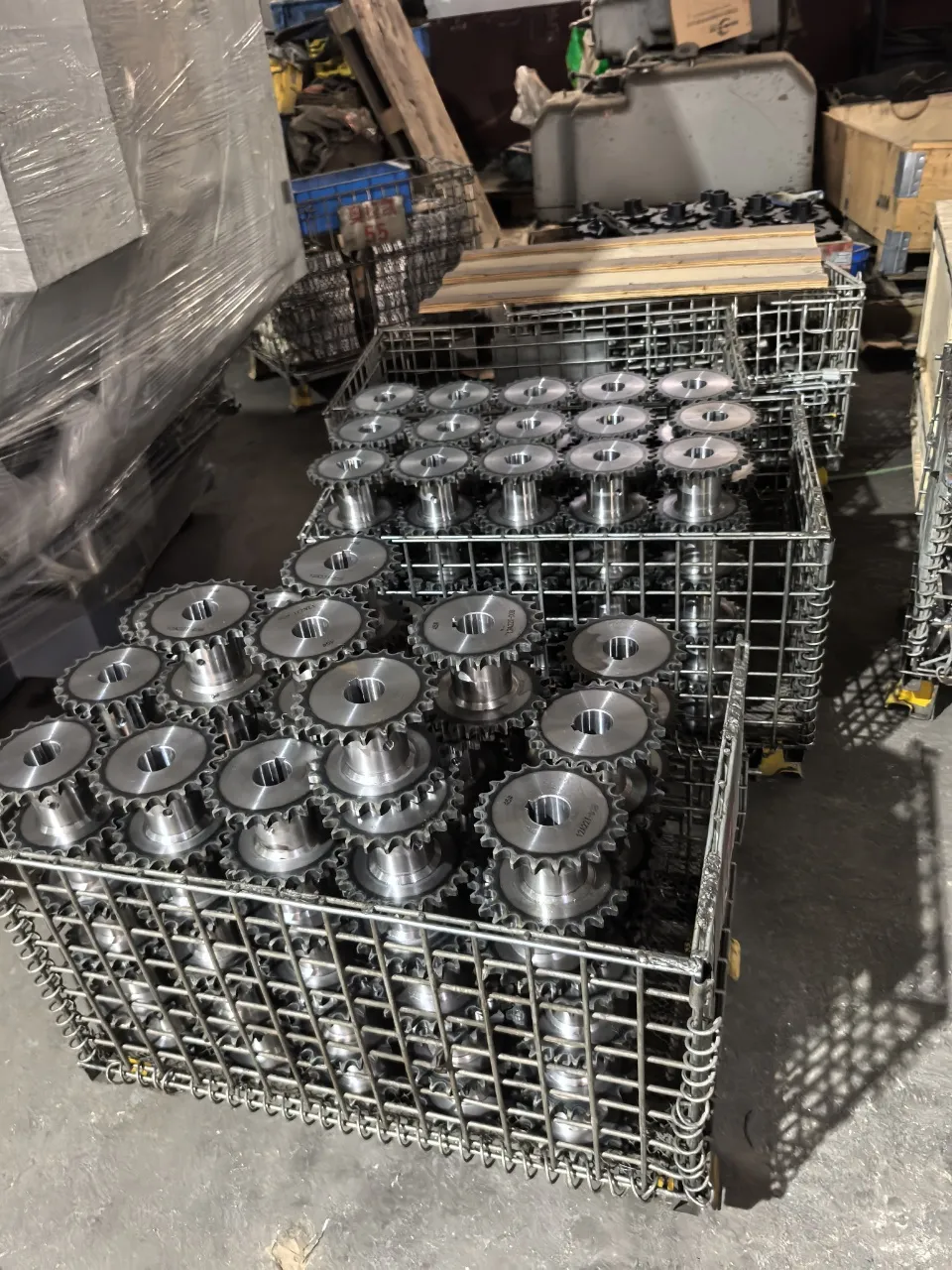
Products ship to over 60 countries with packaging rated for ocean freight and documentation compliant with EU, North American, and Southeast Asian import regulations.
Frequently Asked Questions
Get in Touch with Our Engineering Team
Whether you need a standard catalog chain or a fully custom-engineered solution, our technical sales team is ready to assist with specification, pricing, and logistics.
Company
Hangzhou Ever-Power Sprocket Chain Co., Ltd.
Address
Shenhua Road, Hangzhou, China
Phone
+86-571-88220653