Identify the seven most common root causes of premature sprocket chain wear — and learn the corrective actions that restore service life to its full engineering potential.
The True Cost of Premature Chain Failure
When a sprocket chain wears out ahead of schedule, the cost extends far beyond the replacement part. Unplanned downtime halts production, emergency procurement pays premium prices for rush delivery, and the secondary damage to sprockets, bearings, and shafts often exceeds the cost of the chain itself. In a three-shift manufacturing plant, a single unexpected chain failure on a critical conveyor can cost tens of thousands of dollars in lost output within hours. Understanding why chains fail early is the first step toward preventing those failures entirely.
The seven root causes below account for over 90% of premature chain wear observed across industrial, agricultural, and material-handling applications. Each cause has a specific diagnostic signature and a proven corrective action. Addressing even two or three of these factors typically doubles the working life of the chain compared to an unmaintained installation.
Cause 1: Inadequate or Incorrect Lubrication
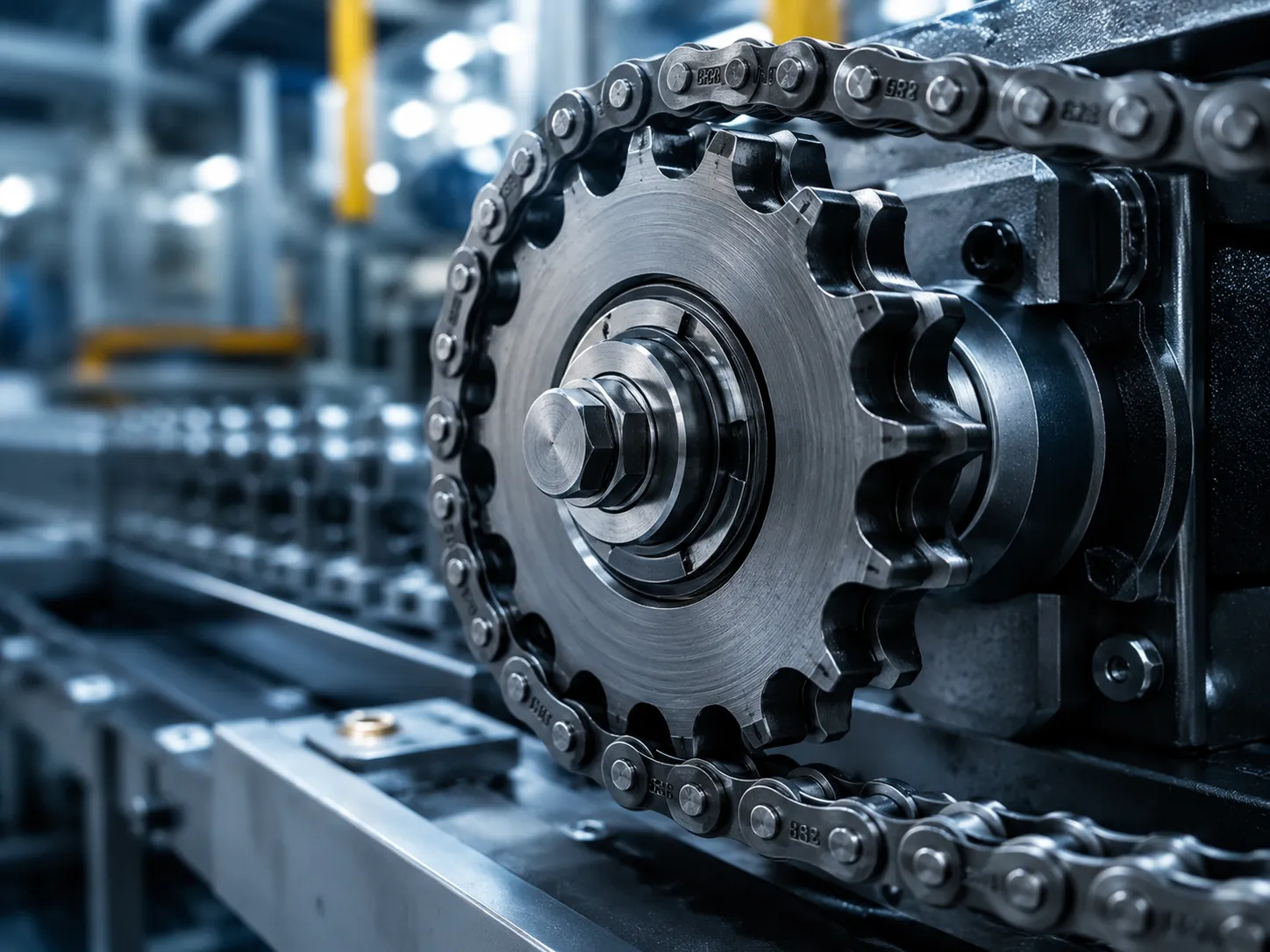
Lubrication failure is responsible for more premature chain wear than all other causes combined. Industry studies consistently attribute over 60% of unplanned chain replacements to insufficient, contaminated, or wrong-type lubricant reaching the pin-bushing interface. When the oil film between the pin and bushing breaks down, metal-to-metal contact generates friction heat, accelerates abrasive wear, and eventually seizes the joint. The chain elongates rapidly, rides high on the sprocket teeth, and fails.
The corrective action is straightforward but requires discipline: establish a lubrication schedule based on operating hours rather than calendar days, use the lubricant grade recommended by the chain manufacturer, and apply it to the inside of the chain loop where it can wick into the pin-bushing clearance by capillary action. Automatic lubrication systems pay for themselves within months on continuous-duty drives by eliminating the human error factor.
Cause 2: Misalignment Between Sprockets
When the driving and driven sprockets do not sit in the same plane, the chain is forced to travel at a slight angle across the tooth faces. This lateral loading concentrates stress on one edge of the link plates and rollers, causing uneven wear that shortens chain life by 30% to 50%. Misalignment also generates a distinctive sideways whipping motion visible on the slack span, along with increased noise levels that maintenance personnel can hear during routine walkthroughs.
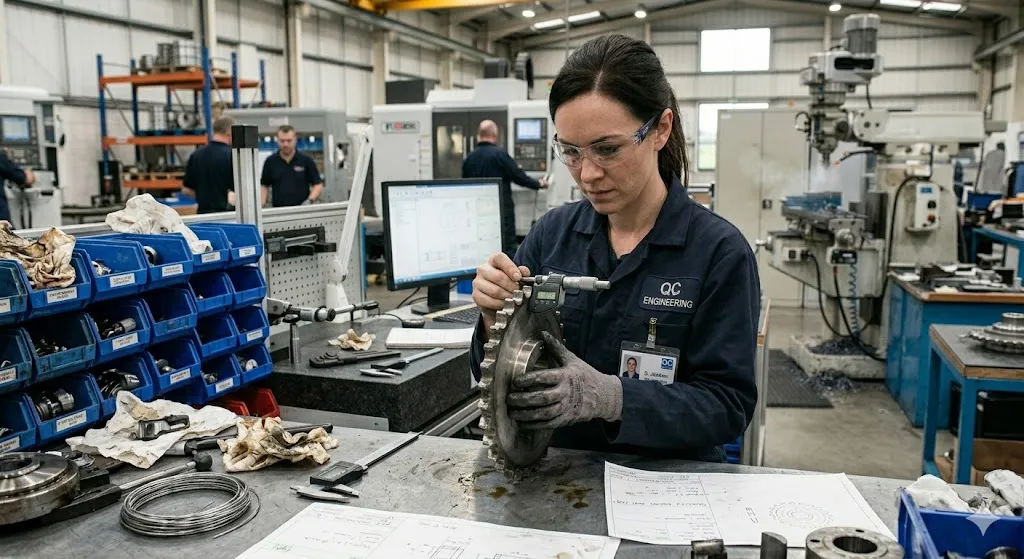
Check alignment with a straight edge placed against the sprocket faces or a laser alignment tool for higher precision. The maximum allowable angular misalignment is typically 0.5 degrees or 3 mm per meter of center distance, whichever is smaller. Correct any deviation by shimming the motor mount, adjusting the shaft position, or remachining the sprocket bore if the shaft itself is true.
Cause 3: Incorrect Chain Tension
Both over-tension and under-tension accelerate chain wear, but through different mechanisms. Excessive tension increases the bearing load on every pin and bushing in the chain, raising friction and heat generation throughout the drive. It also overloads the shaft bearings, leading to secondary failures. Insufficient tension allows the chain to oscillate on the slack side, causing the rollers to bounce in and out of the sprocket teeth — a phenomenon called chain whip — which hammers the tooth surfaces and elongates the chain from impact loading rather than gradual wear.
The correct tension allows the slack span to deflect by 2% to 4% of the center distance when pressed by hand. For a drive with a 1,000 mm center distance, the mid-span sag should be 20 to 40 mm. Recheck tension after the first 24 hours of operation on a new chain, as the initial seating of pins and bushings produces a small amount of elongation that changes the sag.
Causes 4 and 5: Abrasive Contamination and Corrosion
Fine particulate — cement dust, sawdust, sand, metal filings — acts as a grinding compound when it enters the pin-bushing clearance. Each revolution of the chain drives abrasive particles deeper into the joint, accelerating wear at a rate that can be five to ten times faster than in a clean environment. In agricultural settings, soil and crop residue create a similar abrasive slurry when mixed with lubricant. The solution is environmental enclosure: chain guards, covers, or full housing that keeps particulate out of the drive.
Corrosion attacks the chain from the outside in, pitting the roller surfaces and weakening the link plates. Even mild humidity in an unheated warehouse can cause surface rust that roughens the pin-bushing interface and increases friction. For washdown environments, the answer is material selection: stainless steel chains, nickel-plated chains, or zinc-coated chains depending on the severity of the corrosive exposure. For outdoor installations, regular application of a corrosion-inhibiting chain lubricant adds a protective film between scheduled lubrication intervals.
Causes 6 and 7: Overloading and Worn Sprockets
Operating a chain above its rated capacity — whether from design error, process changes, or gradual load creep — overstresses the pin-bushing joints and link plates. The chain elongates at a rate proportional to the overload, and once elongation exceeds 1.5%, the rate accelerates as the chain rides higher on the sprocket teeth. The fix requires either reducing the transmitted load, upgrading to a larger pitch or multi-strand chain, or both. Review the original power calculation whenever chain life falls below expected targets.
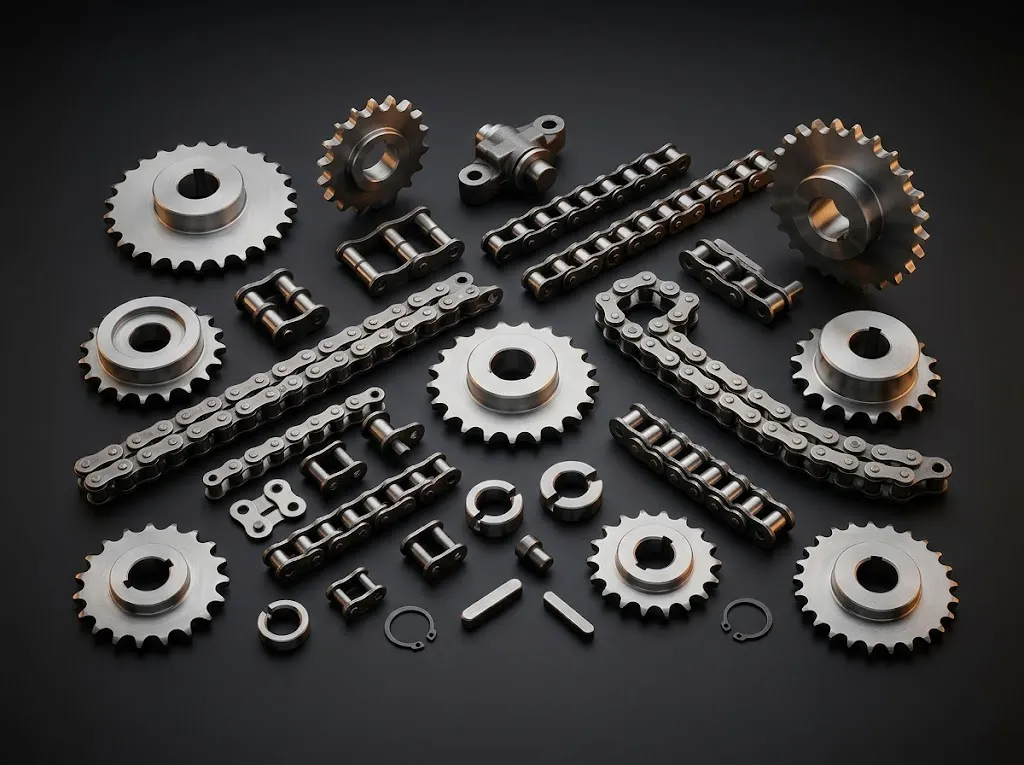
Worn sprocket teeth are the silent accomplice to chain wear. As teeth develop a hooked profile from running with an elongated chain, they actively pull new chains into an incorrect seating position. Installing a new chain on worn sprockets wastes the investment — the chain will elongate to match the worn tooth profile within a fraction of its normal service life. Always replace sprockets when replacing the chain, or at minimum verify tooth dimensions against the sprocket chain manufacturer’s specification before reuse.
Why Choose Hangzhou Ever-Power as Your Supplier
Selecting a sprocket chain supplier is a decision that extends far beyond unit price. Delivery reliability, dimensional consistency across production batches, willingness to support OEM customization, and responsive after-sales technical backing all factor into the total cost of ownership. Hangzhou Ever-Power Sprocket Chain Co., Ltd. has built its reputation over decades by treating each of these factors as a baseline expectation rather than a premium add-on.
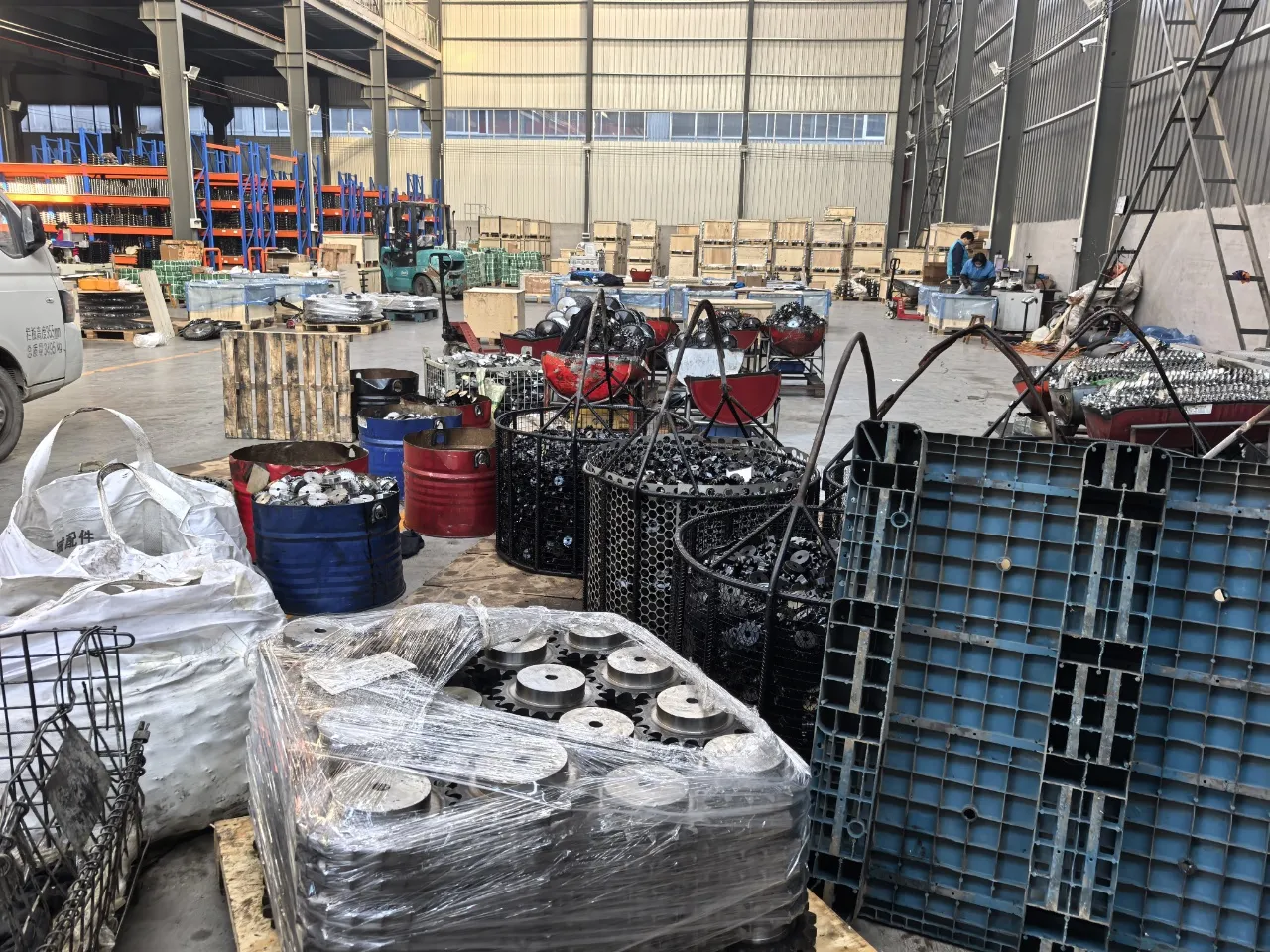
From raw steel blanking through heat treatment, shot peening, and final assembly, every production stage happens under one roof in Hangzhou — eliminating the quality drift that plagues multi-vendor supply chains.
Non-standard bore sizes, special tooth profiles, proprietary surface coatings, and unique attachment configurations are routine production orders — not special projects that require months of back-and-forth negotiation.
Every batch undergoes tensile testing, Rockwell hardness verification, dimensional inspection with CMM equipment, and pre-shipment elongation checks before products leave the factory floor.
Products ship to over 60 countries with packaging rated for ocean freight and documentation compliant with EU, North American, and Southeast Asian import regulations.
Frequently Asked Questions
Get in Touch with Our Engineering Team
Whether you need a standard catalog chain or a fully custom-engineered solution, our technical sales team is ready to assist with specification, pricing, and logistics.
Company
Hangzhou Ever-Power Sprocket Chain Co., Ltd.
Address
Shenhua Road, Hangzhou, China
Phone
+86-571-88220653