|
European standard sprockets
|
|
DIN stock bore sprockets & plateheels
|
03B-1 04B-1 05B-1-2 06B-1-2-3 081B-1 083B-1/084B-1 085B-1 086B-1 08B-1-2-3 10B-1-2-3 12B-1-2-3 16B-1-2-3 20B-1-2-3 24B-1-2-3
28B-1-2-3 32B-1-2-3
|
|
03A-1 04A-1 05A-1-2 06A-1-2-3 081A-1 083A-1/084A-1 085A-1 086A-1 08A-1-2-3 10A-1-2-3 12A-1-2-3 16A-1-2-3 20A-1-2-3 24A-1-2-3
28A-1-2-3 32A-1-2-3
|
|
DIN finished bore sprockets
|
06B-1 08B-1 10B-1 12B-1 16B-1 20B-1
|
|
stainless steel sprockets
|
06B-1 08B-1 10B-1 12B-1 16B-1
|
|
taper bore sprockets
|
3/8"×7/32" 1/2"×5/16" 5/8"×3/8" 3/4"×7/16" 1"×17.02mm 1 1/4"×3/4"
|
|
cast iron sprockets
|
06B-1-2-3 081B-1 083B-1/084B-1 085B-1 086B-1 08B-1-2-3 10B-1-2-3 12B-1-2-3 16B-1-2-3 20B-1-2-3 24B-1-2-3
|
|
platewheels for conveyor chain
|
20×16mm 30×17.02mm P50 P75 P100
|
|
table top wheels
|
P38.1
|
|
idler sprockets with ball bearing
|
8×1/8" 3/8"×7/32" 1/2"×1/8" 1/2"×3/16" 1/2"×5/16" 5/8"×3/8" 5/8"×3/8" 5/8"×3/8" 3/4"×7/16" 3/4"×7/16" 1"×17.02mm 1 1/4"×3/4"
|
|
double simplex sprockets
|
06B-1 08B-1 10B-1 12B-1 16B-1
|
|
American standard sprockets
|
|
ASA stock bore sprockets
|
25 35 35-2 35-3 41 40 40-2 40-3 50 50-2-50-3 60 60-2 60-3 80-80-2 80-3 100 100-2 100-3 120 120-2 120-3 140 140-2 160 160-2 180 200
200-2 240
|
|
finished bore sprockets
|
35 41 40 50 60 80 100
|
|
stainless steel sprockets
|
25 35 40 50 60
|
|
double single sprockets&single type Csprockets
|
40 50 60 80
|
|
taper bore sprockets
|
35 35-2 41 40 40-2 50 50-2 60 60-2 80 80-2 100 120 140 160
|
|
double pitch sprockets
|
2040/2042 2050/2052 2060/2062 2080/2082
|
|
sprockets with split taper bushings
|
35 41 40 40 40-2 40-3 50 50-2 50-3 60 60-2 60-3 80 80-2 80-3 100 100-2 120 120-2 140 160 200
|
|
sprockets with QD bushings
|
35 35-1 35-2 41 40 40-2 40-3 50 50-2 50-3 60 60-2 60-3 80 80-2 80-3 100 100-2 100-3 120 140 160 200
|
|
Japan standard sprockets
|
|
JIS stock sprockets
|
25 35 40 50 60 80 100 120 140 160
|
|
finished bore sprockets
|
FB25B FB35B FB40B FB50B FB60B FB80B FB100B FB120B
|
|
double single sprockets
|
40SD 50SD 60SD 80SD 100SD
|
|
double pitch sprockets
|
2042 2052 2062 2082 2040 2050 2060 2080
|
|
speed-ratio sprockets
|
C3B9N C3B10N C4B10N C4B11 C4B12 C5B10N C5B11 C5B12N C6B10N C6B11 C6B12
|
|
idler sprockets
|
35BB20H 40BB17H 40BB18H 50BB15H 50BB17H 60BB13H 60BB15H 80BB12H
|
|
table top sprockets
|
P38.1
|
How to choose a sprocket in CZPT
Sprocket is one of CZPT mechanical villagers. It can be found at levels 50, 55, 60 and 65. Like other mechanical villagers, it has a metallic texture and occasionally makes mechanical sounds when moving. It prefers green/orange and active/simple style colors.
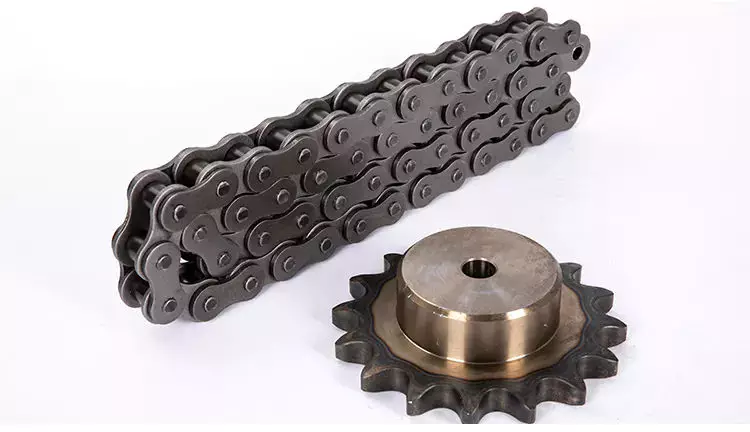
Pitch sprocket
When choosing a pitch sprocket, you need to consider several factors, including the pitch diameter. This affects the torque applied to the shaft and the length of the moment arm. Additionally, incorrect pitch can affect belt life and wear. The pitch diameter should be measured by wrapping the belt around the sprocket at a 180-degree angle to the rod head. You can also consult engineering guidelines and product sheets to determine proper spacing.
The pitch diameter of a sprocket is the distance from the center of the pin to the next pin in the chain. The pitch diameter also determines the size of the sprocket teeth. The larger the pitch, the larger the teeth on the sprocket.
The diameter of the pitch sprocket depends on the type of bike. If you have an older bike, you should choose a sprocket with a diameter closer to the hub. If your bike has a smaller diameter rim, you can choose a sprocket with a smaller diameter and larger caliper. In addition to the caliper diameter, you should also consider the hub diameter.
Proper pitch sprockets can last longer. They are made with hardened teeth to increase their longevity and durability. You can choose between single-purpose and dual-purpose sprockets. Single-tooth sprockets have one tooth per pitch, while double-tooth sprockets have two teeth per pitch.
A pitch sprocket is a component of a bicycle chain. It prevents the chain from shaking due to uneven load distribution. Plus, it helps the chain stay tight.
three sprockets
Triple sprockets are toothed or cogwheels that move the chain. The pitch circle diameter of the triple sprocket is two and a half inches. Most rear sprockets are made of aluminum. The quality of the aluminum sheet used to make the sprocket varies from manufacturer to manufacturer. However, CZPT only uses the best aluminium sheets on the market. The sprockets are then shaped on a hobbing machine to ensure a perfect fit with the chain. The final anodizing process improves durability and adds personalization. The manufacturing process of CZPT is a quality control process with an uncompromising commitment to perfection.
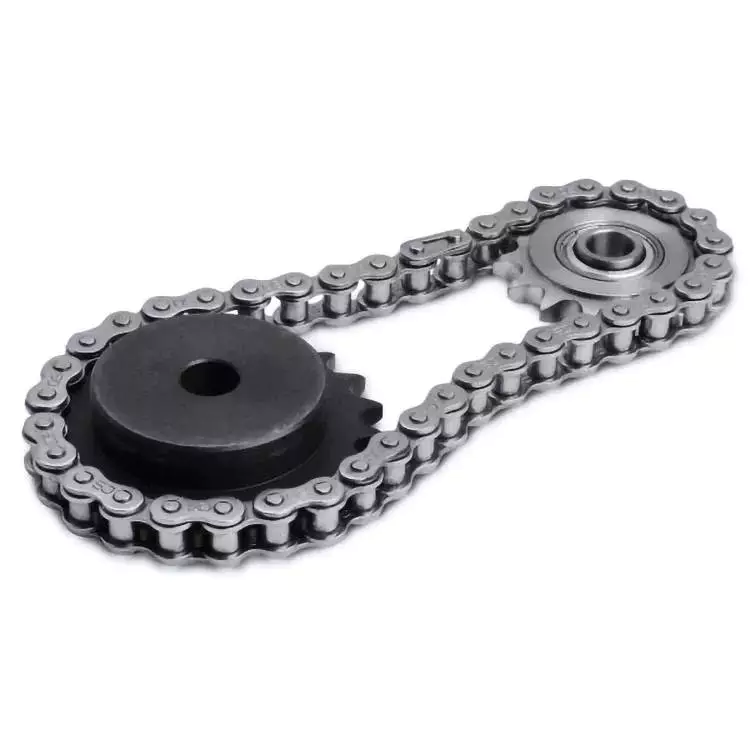
Cone lock sprocket
Taper lock sprockets are one of several types of sprockets. It has openings in flanges and tapers, making it ideal for a variety of applications. These sprockets also have the advantage of being easy to install and remove. These sprockets are also available in pre-drilled models that are pre-drilled to fit the shaft diameter. This allows for easier installation and improved alignment. Also, you can replace the sprockets without replacing the entire gear train.
These sprockets have flame hardened teeth for extended chain and sprocket life. They also help reduce drive noise. They are available in a variety of sizes, including duplex and triplex. In addition to being made of high-quality steel, they are also available in cast iron and metric models.
Quick release sprocket
There are several different styles of quick disconnect sprockets. Typically, they come with a 2″ hole and are compatible with various welds on the hub. The Quick Disconnect (QD) style is a special style with a split design on the hub and use of torque bolts to make it easier to install. This type of sprocket is very popular in the power transmission industry.
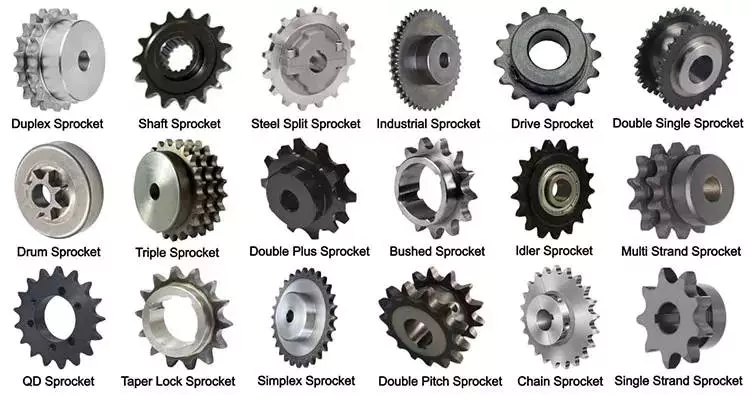
Irregular sprocket
Idler gears are small gears that run on the chain. This sprocket can be used for a variety of purposes and is available in a variety of configurations. Its most common configuration is a ball bearing, pre-lubricated and sealed against moisture. Other idler sprockets have needle bearings, which are more stable and can handle higher capacities. Bronze bearings are another option as they have no moving parts.
 
editor by czh 2022-12-02
|